personality
Self Esteem Entails What?


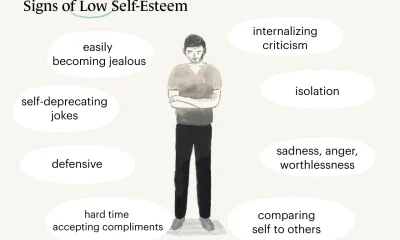
Self esteem entails what?. Your perception of yourself is your self-esteem. People who have a healthy sense of self-worth are proud of who they are and what they have accomplished. Although everyone experiences moments of insecurity, those who have low self-esteem are often unhappy or dissatisfied with who they are. This can be fixed, but increasing self-esteem requires focus and consistent practice. The way we view and regard ourselves is what we call our self-esteem. Everyone criticizes themselves occasionally, but if this self-criticism is severe or frequent, you may be experiencing low self-esteem.
SELF ESTEEM ENTAILS WHAT?
You may not be aware of the reason behind your low self-esteem, but you can still take action to raise it. Self-confidence is not the same as self-esteem. A person’s aptitude in a given area of their life is related to their level of confidence. Even someone who has a strong sense of confidence in their unique skills can struggle with low self-esteem.
What causes low self-esteem?

SELF ESTEEM ENTAILS WHAT?
Adolescent, particularly young girls, could be exposed to harmful ideas and ideals on social media and in the media at large, which make them think that their value is determined by how they act or look.
Low self esteem and unfavorable ideas about thier own value may result from bullying or poor academic performance
What are the effects of low self-esteem?

SELF ESTEEM ENTAILS WHAT?
Low Self- Esteem can lead to relationship issues as well as issues at job or school. Criticism or rejection can make you quite angry, and you might stop doing things and hanging out with people. You should stay away from any situation where you could be compared to or assessed by others. Some individuals with poor self esteem quit caring for their looks, while others could overcompensate by maintaining impeccable grooming at all times.
How to improve your self-esteem;

SELF ESTEEM ENTAILS WHAT?
1. Honor the little victories in your life and give yourself a pat on the back whenever you reach even a modest goal.
2. Put things in perspective, seek for other explanations, and resist the urge to think negatively.
3. Consider your abilities and the things you are good at
4. Refrain from attempting to accomplish everything flawlessly, as it is unattainable
5. Spend time with folks who don’t depress you. e
6. Giving back to the community might improve your self-esteem.
7. Exercise can lift your spirits.
Summary
Your perception of yourself is your self-esteem. People who have a healthy sense of self-worth are proud of who they are and what they have accomplished. Although everyone experiences moments of insecurity, those who have low self-esteem are often unhappy or dissatisfied with who they are.















Pride virtues and vice. Throughout human history, pride has been both praised and demonized. It is a complicated and multidimensional feeling. Fundamentally, the paradox of pride includes a feeling of fulfillment, success, and self-worth that comes from one’s accomplishments, traits, or connections. But pride also has a negative aspect, which is frequently linked to conceit, haughtiness, and a feeling of superiority.
PRIDE VIRTUES AND VICE
Pride is a multifaceted idea that unites virtue and immorality. When articulated as a virtue, it stands for sound confidence, dignity, and self-worth. When it turns into a vice, it becomes the source of self-idolatry and shows up as conceit, hubris, and haughtiness.Building exceptional character requires an understanding of the precise boundary between pride as a moral virtue and pride as a destructive fault.
The paradox of pride;

Pride virtues and vice
Moreover, pride can be a source of inspiration and empowerment within communities and societies. Pride in one’s cultural heritage, identity, or shared achievements can foster solidarity, resilience, and collective strength. It can fuel movements for social justice, equality, and liberation, empowering marginalized groups to assert their rights and demand recognition and respect.
However, pride becomes problematic when it morphs into arrogance, entitlement, or a sense of superiority over others. Excessive pride blinds individuals to their flaws and limitations, leading to complacency, stagnation, and eventual downfall. It fosters an unhealthy obsession with status, recognition, and validation, driving individuals to prioritize their own interests at the expense of others.

Furthermore, unchecked pride can breed resentment, division, and conflict within communities and societies. When individuals or groups become consumed by their own pride, they may become intolerant of differing perspectives, dismissive of constructive criticism, and unwilling to acknowledge their own mistakes or shortcomings. This arrogance can sow seeds of discord, undermine cooperation, and impede progress towards shared goals and aspirations.

Pride virtues and vice
The key to harnessing the power of pride lies in cultivating humility, self-awareness, and empathy. Humility allows individuals to acknowledge their strengths and achievements without succumbing to arrogance or vanity. Self-awareness enables individuals to recognize their own limitations, embrace feedback and criticism, and continuously strive for self-improvement. Empathy fosters understanding, compassion, and connection with others, transcending the barriers of pride and ego.
You would want to read on it, click here;

pride is a double-edged sword that can serve as a catalyst for personal growth and collective empowerment or a source of arrogance and division. By embracing humility, self-awareness, and empathy, individuals can navigate the complexities of pride and harness its transformative potential for the greater good. Ultimately, it is not the absence of pride that defines our character, but rather the way in which we choose to wield its power.
Summary
When pride is used constructively, it can spur one’s own development and success. When used constructively, pride inspires people to aim high, pursue their objectives resolutely, and take pride in their achievements. It empowers people to overcome challenges and realize their full potential by fostering self-confidence, resilience, and a sense of fulfillment.

Tips for navigating pride. It takes a combination of self-awareness, empathy, vulnerability, and thankfulness to deal with pride. We can handle the challenges of pride with grace and humility by developing humility by introspection, empathy and active listening, accepting vulnerability and authenticity, and growing thankfulness and giving. In the end, we can develop stronger relationships with others, promote personal development, and make the world a more sympathetic and caring place by acknowledging and confronting our own pride.
TIPS FOR NAVIGATING PRIDE
A basic feature of human nature, pride may both propel success and act as a roadblock to personal development. In order to cultivate self-awareness, humility, and positive relationships, it is crucial to learn how to deal with the complications of pride.
1. Cultivate Humility Through Self-Reflection;
Humility is the antidote to excessive pride. Engage in regular self-reflection to cultivate a realistic understanding of your strengths, weaknesses, and contributions. Acknowledge your achievements with gratitude, but also recognize the role of luck, support from others, and external circumstances in your success. Embrace humility by learning from your mistakes, accepting constructive criticism, and remaining open to new perspectives.
2. Practice Empathy and Active Listening
Pride often blinds us to the experiences and perspectives of others. Practice empathy by putting yourself in someone else’s shoes and seeking to understand their thoughts, feelings, and motivations. Practice active listening by giving your full attention to others without interrupting or dismissing their viewpoints. Recognize that everyone has their own journey, struggles, and achievements, and approach interactions with curiosity, compassion, and respect.
3. Embrace Vulnerability and Authenticity
Tips for navigating pride
Pride often stems from a fear of vulnerability and a desire to project an image of strength and invulnerability. Embrace vulnerability by acknowledging your fears, insecurities, and imperfections without shame or judgment. Share your authentic self with others, expressing your thoughts, feelings, and struggles with honesty and courage. Cultivate meaningful connections by allowing yourself to be seen and understood, flaws and all.
4. Foster Gratitude and Generosity
Tips for navigating pride
Gratitude is a powerful antidote to pride, reminding us of the interconnectedness of all beings and the countless blessings in our lives. Cultivate gratitude by regularly reflecting on the things you are thankful for, both big and small. Practice generosity by giving back to others and contributing to causes that resonate with your values. By shifting the focus from ourselves to the well-being of others, we can cultivate a sense of humility, purpose, and interconnectedness.
Summary
It takes a combination of self-care, healthy boundaries, and empathy to navigate Pride, whether you are attending LGBTQ+ Pride activities or controlling your own feelings of ego and achievement.

Staying focused tips. In the current digital era, maintaining attention calls for purpose, self-control, and the appropriate techniques. You may develop a focused mentality and maximize your productivity by establishing clear objectives, removing distractions, engaging in mindfulness exercises, employing time management strategies, putting your health first, and maintaining organization. Recall that maintaining attention is a skill that can be strengthened and maintained over time with self-awareness and regular practice. You can overcome distractions and accomplish your goals with clarity and confidence if you are committed and persistent.
STAYING FOCUSED TIPS
It might be difficult to maintain attention in the fast-paced, distracting world of today. Maintaining focus is crucial for productivity and success, whether you’re working on a project, preparing for an exam, or doing daily duties. Thankfully, there are a number of useful techniques that can help you maintain concentration and accomplish your objectives more effectively and clearly. We’ll look at practical advice and strategies in this post to help you reach your full productivity potential and maintain attention under all circumstances.
1. Set Clear Goals:

Before diving into a task or activity, take the time to clarify your objectives and define what success looks like. Setting clear, specific, and achievable goals provides a roadmap for your efforts and helps you stay focused on what matters most. Break down larger goals into smaller, manageable tasks, and prioritize them based on importance and urgency. Having a clear sense of direction can boost motivation and keep you on track when distractions arise.
2. Eliminate Distractions:
Identify and eliminate potential distractions in your environment to create a conducive space for focus and concentration. Turn off notifications on your phone or computer, close unnecessary browser tabs, and silence or move away from noisy surroundings. Consider using productivity tools or apps that block distracting websites or limit screen time during focused work sessions. By minimizing external distractions, you can devote your full attention to the task at hand.
3. Practice Mindfulness:

Staying focused tips
Mindfulness involves being fully present and engaged in the present moment, without judgment or distraction. Incorporating mindfulness practices, such as deep breathing exercises, meditation, or mindful walking, can help calm the mind, reduce stress, and enhance focus. Take regular breaks throughout the day to pause, center yourself, and reset your attention. Cultivating mindfulness not only improves focus but also promotes overall well-being and mental clarity.
4. Use Time Management Techniques:
Effective time management techniques can help you allocate your time and energy more efficiently, maximizing productivity and minimizing distractions. Consider using techniques such as the Pomodoro Technique, which involves working in short, focused bursts (e.g., 25 minutes) followed by brief breaks. Break tasks into smaller, manageable segments and set deadlines to create a sense of urgency and momentum. Experiment with different time management strategies to find what works best for you.
5. Maintain Physical and Mental Well-Being:

Staying focused tips
Physical and mental well-being play crucial roles in maintaining focus and concentration. Prioritize self-care activities such as regular exercise, adequate sleep, healthy eating, and stress management techniques. Stay hydrated, take regular breaks to stretch and move your body, and practice relaxation techniques to alleviate tension and fatigue. Pay attention to your mental health and seek support from friends, family, or a professional if needed.
Summary
The best practical method for maintaining attention is to divide your work into small, manageable portions and get rid of digital distractions.

Torchlight Selection

Best Practices for Face Exfoliation

Chemical Face Exfoliation

A Step-by-Step Guide to Deleting Reels on Instagram

A Comprehensive Guide to Setting Up a YouTube Premiere