Photography
Several Types of Photography

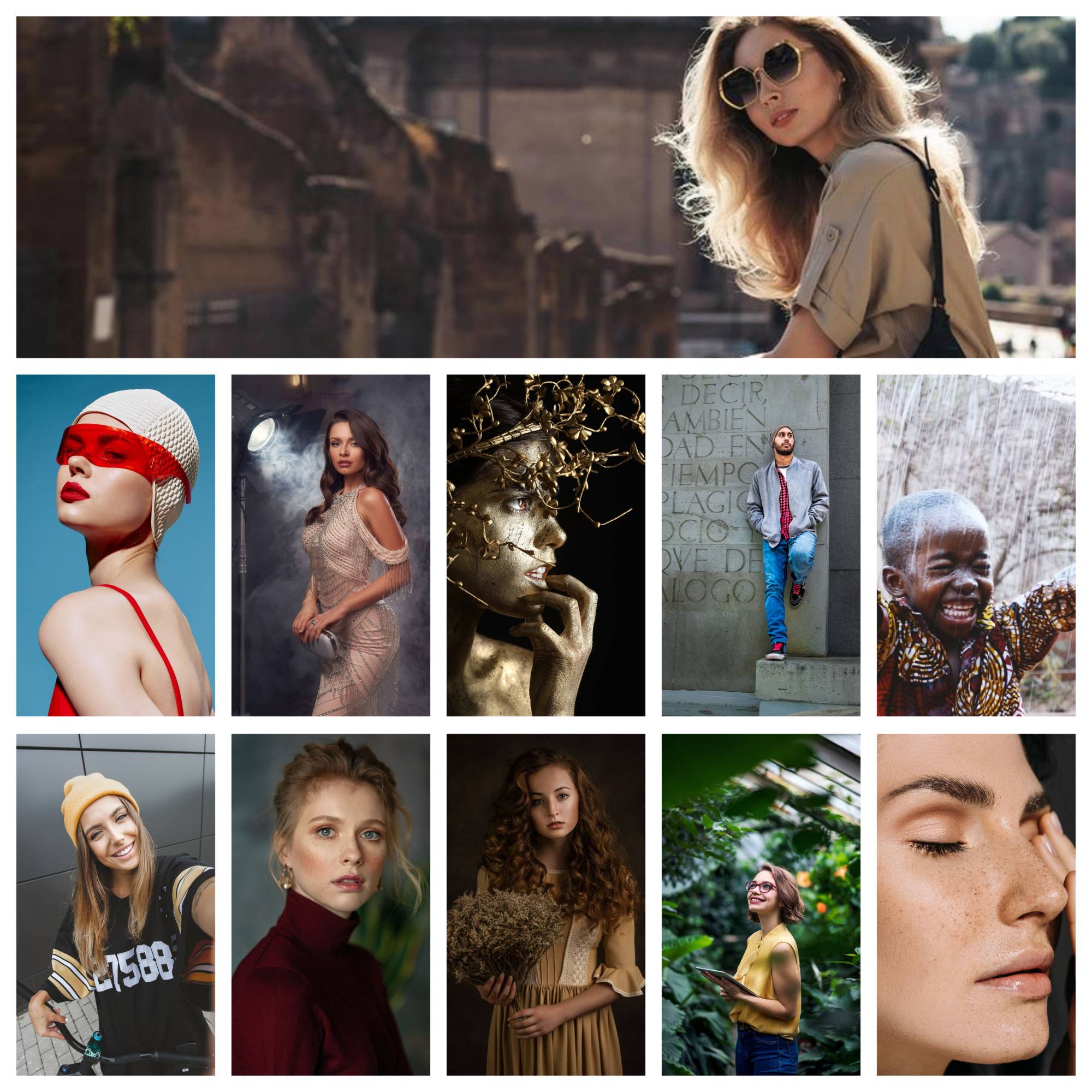

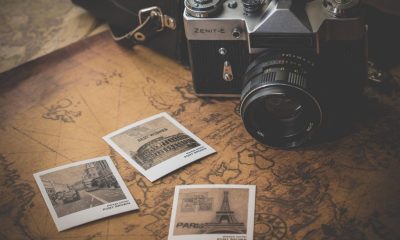
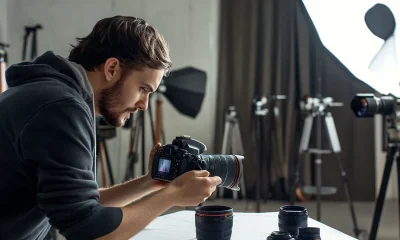
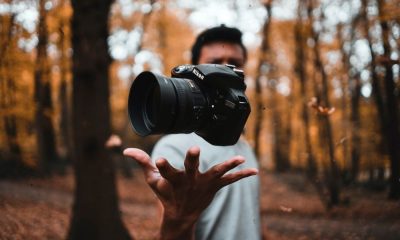
Several types of photography. A vast variety of artistic expressions are represented in the genres of photography that are performed today. To capture the core of the subject matter, each requires a different set of talents. All photographers, regardless of genre or style, need to have a firm grasp of exposure, focus, and composition in order to produce technically sound and aesthetically pleasing photos.
SEVERAL TYPES OF PHOTOGRAPHY
Photography comes in a variety of forms, such as fashion, sports, wildlife, landscape, and portraiture. Event, documentary, cuisine, architectural, and abstract photography are other popular genres. Each style focuses on a distinct subject, such as inanimate things, dynamic action, the beauty of nature, or human expressions.
1. Wedding;
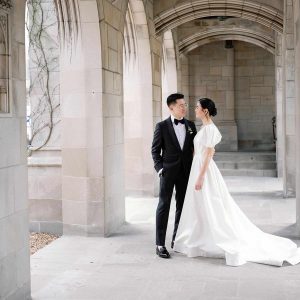
Wedding photography is one of the most well-liked photographic genres and has a distinctive style. From pre-wedding to wedding picture shoots, a professional photographer is crucial to capturing the memories of a wedding celebration.
2. Event;

Practicing event photography is one of the best ways to put your photographic talents to use and develop them. Many distinct events take place on a daily basis. Thus, you have access to event photos at any time.
3. Newborn;
One of a couple’s most difficult yet wonderful experiences is becoming parents. To capture a child’s journey, newborn photography is the preferred choices for most parents. Typically, a couple chooses to have a new born picture shoot after welcoming their kid into the family, but they begin documenting those moments with a maternity photo shoot as well.
4. Photojournalism;

SEVERAL TYPES OF PHOTOGRAPHY
Story telling through images is the art of photojournalism. In the world of photography, its well known that ” a picture is worth a thousand words.” For this particular genre, nothing could be more accurate than this comment. A photographer job is to capture moments in time or situations; an image that conveys a narrative.
5. Sports;
A professional in journalism has a variety of photography options at their disposal. Some opt to photograph events and celebrities, while others focus on sports. There has long been a trend in sports photography. The need for sports photographers is growing along with people’s growing passion for sports on a daily basis
6. Pet;

SEVERAL TYPES OF PHOTOGRAPHY
Around the world, a lot of pet owners adore having a picture of their dog printed. Not only do owners constantly search for seasoned photographers to assist with animal photography, but NGOs, animal shelters, and volunteers also do so.
7. Adventure photography;
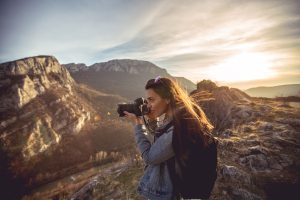
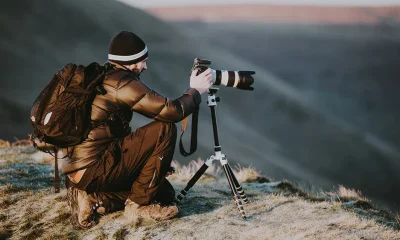
Among the several types of photography, adventure photography concentrates on taking pictures of daring acts and outdoor activities. It entails capturing and presenting the thrills, difficulties, and break talking scenery of different outdoor experiences, like rock climbing, hiking, skiing, surfing, mountaineering, and other exhilarating pursuits.
Summary
The nature of photography is ever-changing. There are countless methods to take a picture, and photographers are constantly trying to push the limits of the medium. Understanding the many forms of photography will make your personal forays into the field even more successful.








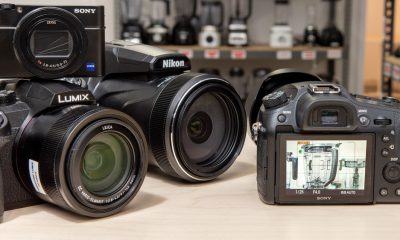


Income and Photography. The allure of photography is that it appeals to those who wish to achieve something creative, enjoyable, and worthwhile. Although some photographers don’t think about money when working, it’s something to think about when things are tight.
INCOME AND PHOTOGRAPHY
Using a camera to collect light, typically on film or a digital sensor, is the art of photography as a source of revenue. People become photographers for a variety of reasons. Most of them start out as hobbies and don’t consider money at all.
What is photography?
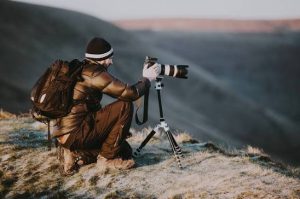
The Greek words “photo” (light) and “graph” (to draw) are the roots of the English word “photography,” which means “drawing with light.”
However, Joseph Nicéphore Niépce took the first ever permanent photograph in France in 1826 (other accounts date it to 1827). It depicts the sun shining on a building’s roof.
Photography in StoneAge
Below indicates an example of photography in modern world;
Photography in Modern Era
However, there are different types of photography;
Types;
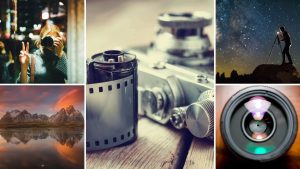
Income and Photography
Nature photography; This involves taking pictures of wildlife and the great outdoors
Landscape photography: This entails lighting requirements of taking pictures of expansive deserts, deep forests, or stunning vistas.
Astography: long exposure photography, is an excellent type of photography to go into if you find yourself gazing up at the night sky in awe.
Pet photography: Get up close and personal with animals and take photos of people’s pets. Animal photography comes with its special challenges,
How can photography be a source of income?

Income and Photography
- Sell prints on your website
- sell prints with a curated online shop
- offer digital editing services
- become an affiliate for brands you love to promote
- create digital downloads of your photography for passive income.
Summary
Combining digital products, recurring packages, and client services is necessary to make money from photography. Digital sales, recurrent content development, and client picture shoots are the primary sources of income.
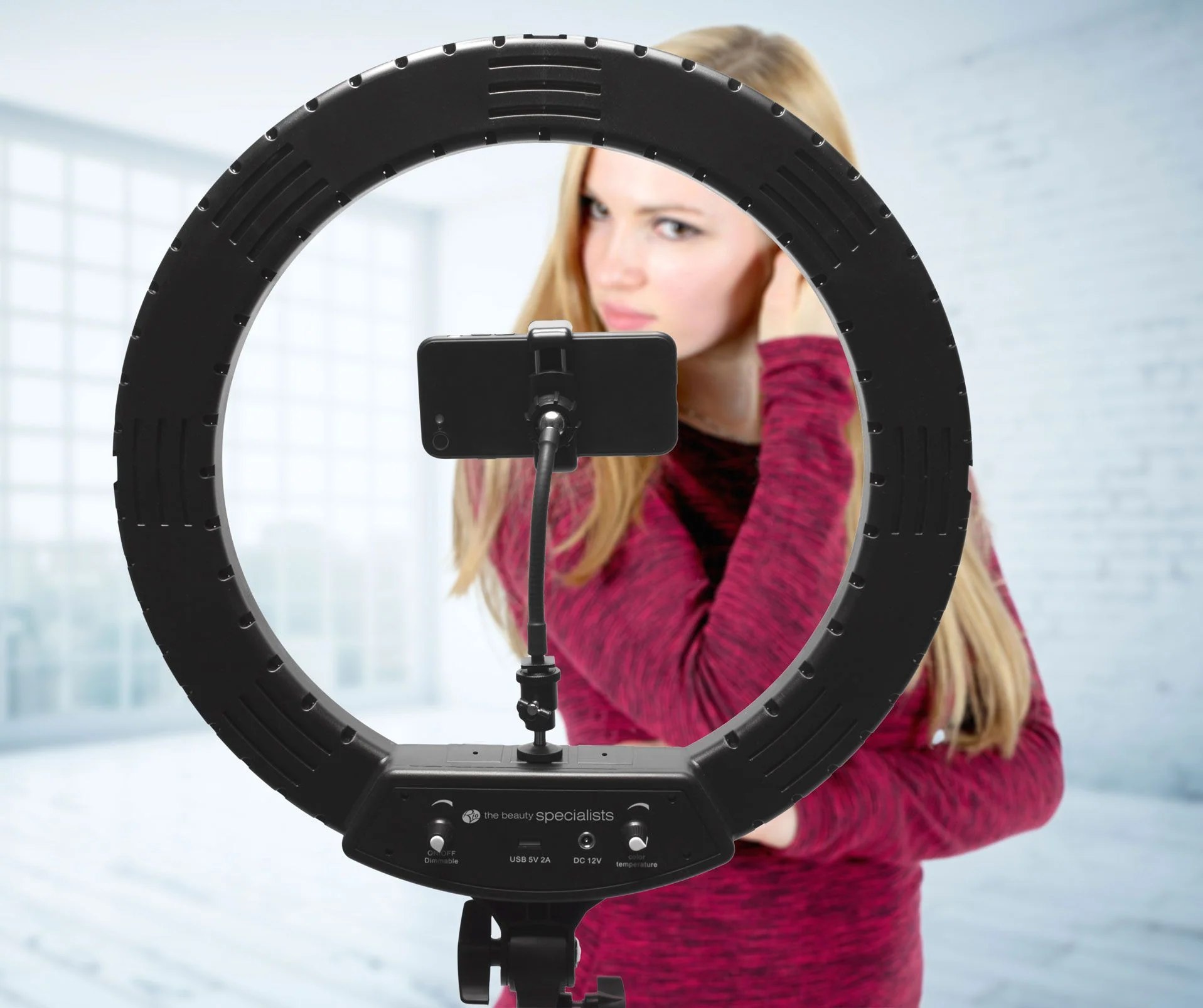
Ring light usage. By evenly distributing light around the subject’s face, a ring lamp creates illumination that is both pleasing and shadow-free. It reduces wrinkles and imperfections, distinguishes the subject from the background, and produces an eye-catching, eye-catching circular reflection.
RING LIGHT USAGE
For uniform, shadow-free illumination, ring lights are crucial circular lighting instruments used by professionals, photographers, and artists. Standard 12–14″ USB-powered models typically cost ₦15,000 in Nigeria, while large 18″ RGB models with stands and batteries cost more than ₦45,000.
HOW TO USE A RING LIGHT

A ring light is a simple, relatively inexpensive way to get started with studio photography – and with the right approach, it can look really, really good. Here are just a few photos I’ve taken using a ring light:
But how can you use a ring light to create portraits like these? And furthermore, how can you go beyond standard ring light photography to capture photos that stand out from the crowd?
What is a ring light?
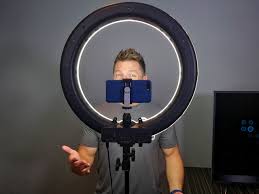
A ring light is a circular, ring-shaped light designed to be placed directly in front of a subject. You then position your camera in the center of the ring and capture your photos.
Here is a standard external ring light, photographed from the back (left) and front (right):
There are two types of rings lights you should be familiar with:
Off-camera ring lights, which attach to an external light stand, offer a wide band of illumination, and include a large aperture into which a camera can fit.
TWO EXAMPLES OF RING LIGHT;
Smartphone ring lights

Ring light usage
These compact ring lights are designed to be attached to smartphones so they are ideal if you enjoy taking photos on the go with your phone. They are typically lightweight and portable, making them convenient for spontaneous content creation
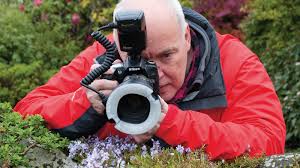
Macro ring lights;
Ring light usage
These are specialised ring lights designed for macro photography. They attach to the front of macro lenses and provide close-up illumination for small subjects. Hard light is poor for macro photography so ring lights are essential for reducing shadows and emiting a soft light perfect for capturing intricate details.
Summary
A ring light is a circular lighting device used to directly illuminate a subject with uniform, shadowless light. Makeup applications, portrait photography, multimedia production, and live broadcasting are among its common uses.

Video editing and photography comparison. Photography and video editing both have their own special difficulties and benefits. The intricacy and technical demands of video editing may make it more difficult for some people, while the artistic vision and accuracy needed for photography may be difficult for others. In the end, each discipline’s level of difficulty varies depending on a person’s strengths, interests, and experience. Both offer chances for artistic expression and personal development, regardless of whether you’re inclined to the timeless beauty of photography or the dynamic storytelling of video production.
VIDEO EDITING AND PHOTOGRAPHY COMPARISON
Comparing the difficulty of video editing and photography is subjective and depends on various factors, including individual skills, experience, and preferences. Both disciplines require creativity, technical knowledge, and attention to detail, but they involve different processes and challenges.
Video Editing:

Video editing involves assembling and manipulating video footage to create a cohesive and compelling narrative. It requires proficiency in editing software, understanding of pacing, rhythm, and storytelling techniques, and the ability to synchronize audio and visual elements effectively. Video editing can be complex and time-consuming, especially for projects with multiple scenes, special effects, and intricate timelines. Additionally, video making often involves working with large files and managing storage space, which can pose logistical challenges.
Photography:
Video editing and photography comparison
Photography, on the other hand, involves capturing still images that convey a message, evoke emotions, or tell a story. While photography requires technical knowledge of camera settings, composition, and lighting, it also relies heavily on creativity and artistic vision. Photographers must have a keen eye for detail, patience to wait for the perfect moment, and the ability to work with natural or artificial light to create visually stunning images. Post-processing techniques, such as editing in software like Adobe Lightroom or Photoshop, are also integral to the photography process and require skill and precision.
Summary
While both video editing and photography are potent visual media, photography is mainly static and spatial, with an emphasis on capturing “decisive moments.” Since video editing is sequential and temporal, you must create pacing, rhythm, and continuity over a timeline.

Torchlight Selection

Best Practices for Face Exfoliation

Chemical Face Exfoliation

A Step-by-Step Guide to Deleting Reels on Instagram

A Comprehensive Guide to Setting Up a YouTube Premiere