Eyes health
Significance of Pupil Dilation

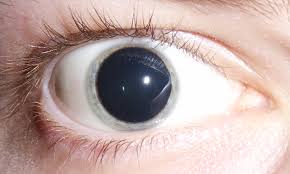
Significance of pupil dilation. A vital non-invasive procedure that can be either natural or medically induced, pupil dilation enlarges the pupil to let more light into the eye for a thorough inspection of the retina and optic nerve. This allows for the early detection of conditions including diabetic retinopathy and glaucoma. It is also an important physiological measure of brain health, emotional arousal, and cognitive load.
SIGNIFICANCE OF PUPIL DILATION
A normal reaction that aids in controlling the amount of light entering the eyes and adjusting vision is pupil dilation. Changes in light or emotions are frequently the cause, but several drugs and illnesses can also cause it. Keeping an eye on changes and seeking advice from an eye care specialist as needed guarantees that any possible problems are dealt with as soon as possible.
Causes;

1. Response to Light;
Pupils dilate in dim lighting to let in more light and contract in bright conditions to protect the eyes from excessive brightness.
2. Emotional Reactions;


Significance of pupil dilation
Strong emotions, such as excitement, fear, or attraction, can trigger the release of adrenaline, leading to pupil dilation. This response is part of the body’s “fight or flight” mechanism.
3. Medications for pupil dilation;

Significance of pupil dilation
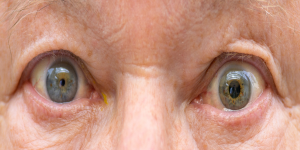
Certain medications, including those used during eye exams (e.g., atropine) and some antidepressants or antihistamines, can cause temporary pupil dilations as a side effect.
4. Substance Use;
Stimulants such as caffeine, cocaine, and amphetamines can cause the pupils to enlarge. On the other hand, opioids typically result in pupil constriction.
5. Neurological Conditions;


Significance of pupil dilation
Abnormal pupils dilation could indicate an underlying neurological issue. Conditions such as a brain injury, stroke, or tumor may interfere with the nerves controlling the pupil, resulting in uneven or persistent dilation.
When to Be Concerned;
While temporary and mild dilation is usually harmless, persistent or unexplained pupils dilation, especially if accompanied by vision changes, headaches, or other symptoms, should be evaluated by a doctor. This could signal an issue with the nervous system or other serious medical conditions.
Summary
Mydriasis, also known as pupil dilatation, is the result of the pupil, the black center of the eye, expanding to let in more light. This is a normal reaction that aids the eye’s ability to focus on things at different distances and adjust to changes in light. Pupil dilation can be produced by a number of things and signify a variety of disorders, even though it is usually a normal body function.