TECHNOLOGY
Signs for changing generator oil

Signs for changing generator oil. Maintaining the health and functionality of your generator requires routine oil changes. by keeping an eye out for these indicators and following a routine maintenance plan. You can make sure your generator operates smoothly and effectively, giving you dependable electricity when you need it most. if you are unclear about the proper maintenance intervals or the state of your oil. For advice, consult the handbook that came with your generator or a qualified technician.
SIGNS FOR CHANGING GENERATOR OIL
Timely generator oil changes safeguard the engine and avoid expensive malfunctions. Dark or gritty oil, strange engine noises like knocking, a strong burning smell, or trouble starting the generator are the most typical indicators that you need an oil change right away. Understanding when your generator engine oil needs to be replaced is crucial for maintaining its performance and longevity. Here are five signs that indicate it’s time to change your generator’s engine oil:
1. Dark and Dirty Oil;


• Over time, engine oil collects dirt, debris, and combustion byproducts, causing it to darken. If you check the oil and notice that it is very dark or dirty, it’s a clear sign that it has lost its effectiveness and needs to be replaced.
2. Low Oil Levels;
• Regularly check the oil level using the dipstick. If the oil level is consistently low, it could indicate that the oil is breaking down or being consumed at a higher rate due to engine wear. This often means it’s time for an oil change. Always top up the oil to the appropriate level, but remember that frequent low levels necessitate a change and potentially an inspection for leaks or consumption issues.
3. Increased Engine Noise;

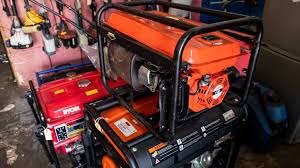
Signs for changing generator oil
• Fresh oil lubricates the engine parts effectively, reducing friction and noise. If you start to notice increased noise from the engine, such as knocking or grinding sounds, it could mean the oil is no longer providing adequate lubrication and should be changed.
4. Oil Change Schedule;
• Adhering to the manufacturer’s recommended oil change schedule is essential. Typically, this can range from every 50 to 200 hours of operation, depending on the generator and its usage conditions. Even if the oil looks clean, it’s best to follow the recommended intervals to ensure optimal engine performance.
5. Unusual Oil Smell;


Signs for changing generator oil
• If the engine oil smells burnt or has an unusual odor, it indicates that the oil has degraded and is no longer effective at protecting the engine components. Burnt oil can lead to increased engine wear and potential damage, so it should be replaced immediately.
Additional Considerations
– Oil Viscosity Changes: Over time, oil can lose its viscosity, becoming either too thick or too thin to lubricate the engine properly. If you notice a significant change in the oil’s texture, it’s time for a change.
– Foaming or Milky Oil: If the oil appears foamy or milky, it might indicate the presence of water or coolant in the oil, which can be a sign of more severe engine issues that need addressing along with an oil change.
Summary
Engine oil, often known as generator oil, is a lubricant used to control operating temperatures, prevent engine wear, and lessen friction between moving parts. Maintaining the longevity of your generator requires using the proper viscosity and changing the oil on a regular basis (usually every 50 hours of operation for gasoline engines).