TECHNOLOGY
Signs for changing generator oil


Signs for changing generator oil. Maintaining the health and functionality of your generator requires routine oil changes. by keeping an eye out for these indicators and following a routine maintenance plan. You can make sure your generator operates smoothly and effectively, giving you dependable electricity when you need it most. if you are unclear about the proper maintenance intervals or the state of your oil. For advice, consult the handbook that came with your generator or a qualified technician.
SIGNS FOR CHANGING GENERATOR OIL
Timely generator oil changes safeguard the engine and avoid expensive malfunctions. Dark or gritty oil, strange engine noises like knocking, a strong burning smell, or trouble starting the generator are the most typical indicators that you need an oil change right away. Understanding when your generator engine oil needs to be replaced is crucial for maintaining its performance and longevity. Here are five signs that indicate it’s time to change your generator’s engine oil:
1. Dark and Dirty Oil;

• Over time, engine oil collects dirt, debris, and combustion byproducts, causing it to darken. If you check the oil and notice that it is very dark or dirty, it’s a clear sign that it has lost its effectiveness and needs to be replaced.
2. Low Oil Levels;
• Regularly check the oil level using the dipstick. If the oil level is consistently low, it could indicate that the oil is breaking down or being consumed at a higher rate due to engine wear. This often means it’s time for an oil change. Always top up the oil to the appropriate level, but remember that frequent low levels necessitate a change and potentially an inspection for leaks or consumption issues.
3. Increased Engine Noise;

Signs for changing generator oil
• Fresh oil lubricates the engine parts effectively, reducing friction and noise. If you start to notice increased noise from the engine, such as knocking or grinding sounds, it could mean the oil is no longer providing adequate lubrication and should be changed.
4. Oil Change Schedule;
• Adhering to the manufacturer’s recommended oil change schedule is essential. Typically, this can range from every 50 to 200 hours of operation, depending on the generator and its usage conditions. Even if the oil looks clean, it’s best to follow the recommended intervals to ensure optimal engine performance.
5. Unusual Oil Smell;

Signs for changing generator oil
• If the engine oil smells burnt or has an unusual odor, it indicates that the oil has degraded and is no longer effective at protecting the engine components. Burnt oil can lead to increased engine wear and potential damage, so it should be replaced immediately.
Additional Considerations
– Oil Viscosity Changes: Over time, oil can lose its viscosity, becoming either too thick or too thin to lubricate the engine properly. If you notice a significant change in the oil’s texture, it’s time for a change.
– Foaming or Milky Oil: If the oil appears foamy or milky, it might indicate the presence of water or coolant in the oil, which can be a sign of more severe engine issues that need addressing along with an oil change.
Summary
Engine oil, often known as generator oil, is a lubricant used to control operating temperatures, prevent engine wear, and lessen friction between moving parts. Maintaining the longevity of your generator requires using the proper viscosity and changing the oil on a regular basis (usually every 50 hours of operation for gasoline engines).
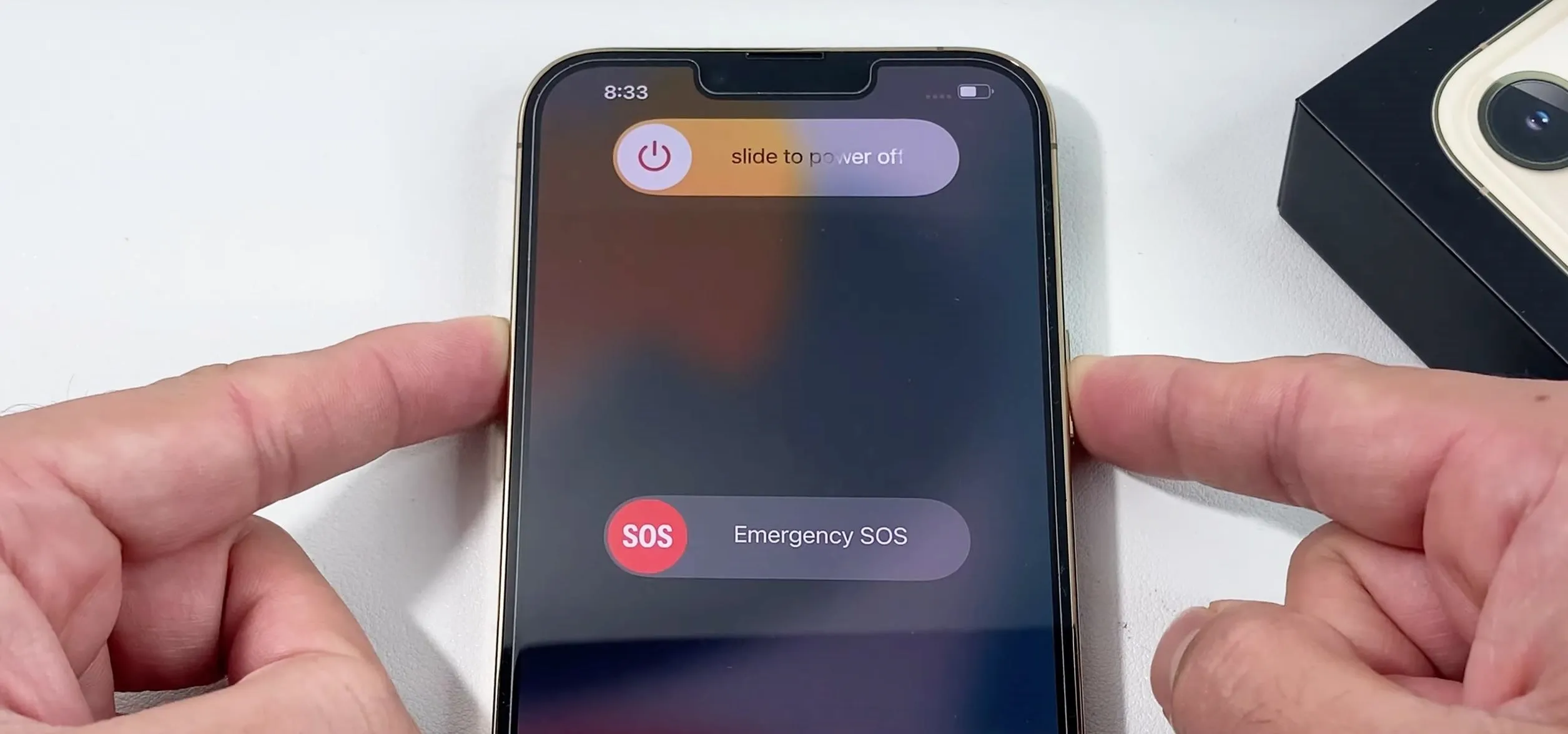
How to turn off iphone. It’s crucial to know how to correctly shut down your iPhone for a number of reasons, such as extending battery life, resolving problems, or just taking a break. You may confidently turn off your iPhone anytime needed by following the instructions in this article. Gaining proficiency with this fundamental feature will guarantee a more seamless interaction with your iPhone, regardless of your level of experience.
HOW TO TURN OFF IPHONE
Shutting down your iphone might seem like a straightforward task, but with the absence of a physical button dedicated solely to this function, it can sometimes be confusing. Whether you need to conserve battery life, troubleshoot a problem, or simply power down your device for a while, knowing the correct method to shut down your iPhone is essential. In this article, we’ll guide you through the steps to properly power off your iPhone.
Step 1: Locate the Side Button;
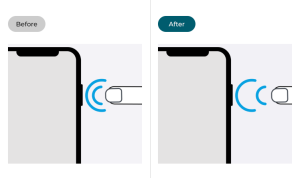
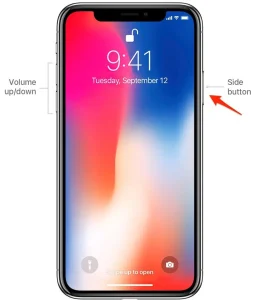
The side button, located on the right side of your phone, serves multiple functions, including powering on/off your device, activating Siri, and taking screenshots. It’s important to differentiate between a quick press and a long press for shutting down the device.
Step 2: Simultaneously Press Side Button and Volume Button;
To initiate the power off process, simultaneously press and hold the side button and one of the volume buttons (either the volume up or volume down button) on it. Hold both buttons down at the same time until the “slide to power off” slider appears on the screen.
Step 3: Slide to Power Off;

How to turn off iphone
Once the “slide to power off” slider appears, release the side button and volume button. You can then use your finger to slide the slider from left to right to power off.
After sliding the power off slider, your phone will begin the shutdown process. Depending on your device model and any ongoing tasks, this process may take a few moments. Once shut down, your iPhone’s screen will go completely black, indicating that it is powered off.
Power On Your iPhone;
How to turn off iphone
To power on again, simply press and hold the side button until the Apple logo appears on the screen. Your device will then boot up, and you can use it as usual.
Summary
utilize the physical buttons, go through Settings, or utilize Siri to quickly shut off your phone.
Tips for resettting refrigerator compressor. Resetting your refrigerator compressor is a fairly easy procedure that can assist fix a lot of typical problems with your equipment. You may securely reset your compressor and get your refrigerator operating again by following the instructions in this guide. Always put safety first, and seek professional advice if you run into any challenges or ongoing issues with your refrigerator.
TIPS FOR RESETTING REFRIGERATOR COMPRESSOR
A malfunctioning refrigerator compressor can be a real headache, causing your food to spoil and your energy bills to soar. Fortunately, many compressor issues can be resolved by simply resetting the unit. Unplug the refrigerator (or switch the circuit breaker) for ten minutes to clear electrical faults and recalibrate the sensors in order to reset a refrigerator compressor. Make sure the internal temperature controls are correctly adjusted when the power is restored, and listen for the compressor to hum and vibrate smoothly.
In this guide, we’ll walk you through the steps to reset your refrigerator compressor safely and effectively.
Step 1: Unplug the Refrigerator

Before attempting any repairs or resets, always unplug the refrigerator from the power source. This step is crucial for your safety and prevents any electrical mishaps.
Step 2: Locate the Compressor
The compressor is typically located at the back of the refrigerator, near the bottom. It’s a large, cylindrical component with metal tubes and wires attached to it. Once you’ve located the compressor, take a moment to inspect it for any visible signs of damage or wear.
Step 3: Access the Reset Button
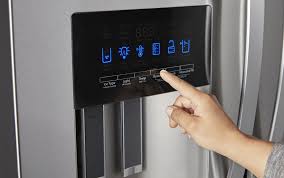
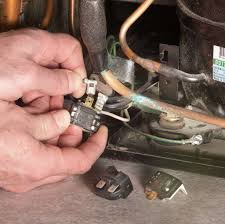
Some refrigerators come equipped with a reset button on the compressor itself. Look for a small button or switch near the base of the compressor. If your compressor has a reset button, proceed to step 4. If not, skip to step 5.
Step 4: Press the Reset Button;
Using a small tool such as a pen or pencil, press and hold down the reset button for approximately 10-15 seconds. You may hear a clicking sound as the compressor resets. Once you’ve held the button down for the specified time, release it and proceed to step 6.
Step 5: Power Cycle the Refrigerator

Tips for resettting refrigerator compressor
If your refrigerator does not have a reset button on the compressor, you can perform a manual reset by power cycling the unit. To do this, leave the refrigerator unplugged for at least 10-15 minutes. This allows the compressor to fully discharge any built-up electrical charge. After the waiting period, plug the refrigerator back in and proceed to step 6.
Step 6: Test the Refrigerator
Once the compressor has been reset, plug the refrigerator back in and wait for it to power up. Listen for any unusual noises or vibrations coming from the compressor. Additionally, monitor the temperature inside the refrigerator to ensure that it begins to cool properly.
Step 7: Monitor for Continued Issues

Tips for resettting refrigerator compressor
After resetting the compressor, keep an eye on your refrigerator for any signs of recurring problems. If the compressor continues to malfunction or if you notice any other issues with your refrigerator, it may be time to consult a professional technician for further diagnosis and repair.
Summary
The “heart” of your refrigerator is the compressor. It serves as a pump that moves refrigerant throughout the system, compressing it from a cool, low-pressure state to a hot, high-pressure state. Through this process, heat from the refrigerator is absorbed and released outside.
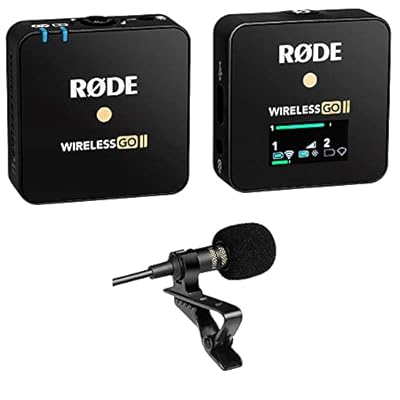
Best podcast microphone. Because of its portability, the Rode Wireless Go has made a name for itself in the podcasting industry. dependable performance, flexible connectivity, sound quality, and ease of use. It is the perfect option for podcasters who want to improve their audio production because of these capabilities. without the limitations and complications of conventional wired systems. Tools like the Rode Wireless Go will probably continue to be crucial for producers looking to create excellent content as podcasting grows as a medium.
BEST PODCAST MICROPHONE
Your setup and money will determine which podcast microphone is ideal for you. The Fifine K688 and Samson Q2U are excellent choices for novices. The Rode PodMic USB is a great all-in-one option, but the Shure SM7B is the industry standard for high-quality, broadcast-style audio. In the rapidly evolving world of podcasting, audio quality remains paramount. Among the myriad of microphone options available, the Rode Wireless Go has emerged as a favorite for many podcasters. Here are five compelling reasons why this wireless microphone system is a top choice.
1. Portability and Convenience;
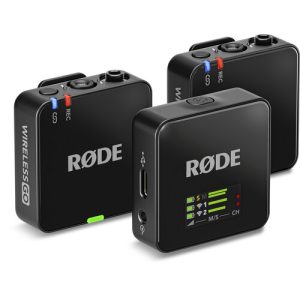
The Rode Wireless Go is renowned for its compact and lightweight design, making it incredibly easy to transport and set up. Each unit is roughly the size of a matchbox, which means podcasters can carry it anywhere without the bulk typically associated with high-quality audio equipment. This portability is particularly beneficial for podcasters who frequently record on the go or in various locations, ensuring they can maintain professional sound quality without being tethered to a studio.
2. Exceptional Sound Quality;
Despite its small size, the Rode Wireless Go delivers impressive sound quality. It features a built-in omnidirectional condenser microphone, which captures clear and natural audio. Additionally, it offers a high signal-to-noise ratio, reducing background noise and ensuring that voices come through crisply and cleanly. This level of audio fidelity is crucial for podcasters aiming to provide their audience with a professional listening experience.
3. User-Friendly Operation;
Best podcast microphone
One of the standout features of the Rode Wireless Go is its ease of use. The system includes a transmitter and receiver that pair instantly upon activation. There’s no need for complicated setups or technical know-how, making it accessible for beginners and experienced podcasters alike. The intuitive LCD screen on the receiver displays all essential information, such as battery life and signal strength, allowing users to monitor their setup effortlessly.
4. Versatile Connectivity;
However, the Rode Wireless Go offers versatile connectivity options, which is a significant advantage for podcasters. It can be used with a variety of devices, including DSLR cameras, smartphones, tablets, and computers. This flexibility is facilitated by the 3.5mm TRS output on the receiver, which can be connected to a wide range of recording devices with the appropriate cables.
5. Reliable Performance;
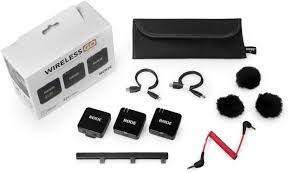
Best podcast microphone
Also, for podcasters, reliability is key. The Rode Wireless Go boasts a stable and robust wireless connection with a range of up to 70 meters (about 230 feet) in optimal conditions. This ensures that the audio remains consistent and uninterrupted, even when the podcaster moves around. The built-in rechargeable batteries provide up to 7 hours of operation on a single charge.
Summary
A transducer that transforms sound waves into electrical impulses is called a microphone. Telecommunications, broadcasting, content creation, live sound, and consumer electronics like laptops and smartphones are just a few of the applications that use it to record, transmit, and collect audio.

How to turn off iphone

Techniques for stress management

Fingernails common diseases

A Step-by-Step Guide to Deleting Reels on Instagram

A Comprehensive Guide to Setting Up a YouTube Premiere