Health
Signs of ulcer

Signs of ulcer. Painful sores in the duodenum or stomach lining are known as peptic ulcer disease, and they are frequently brought on by the H. pylori bacteria or prolonged use of NSAIDs. Bloating, nausea, and burning in the stomach are typical symptoms. Antibiotics, acid-lowering PPIs, and lifestyle modifications to abstain from alcohol and smoking are among the treatments.
SIGNS OF ULCER
A searing or dull stomach ache, typically in the upper abdomen, is a common symptom of ulcers (peptic ulcers), and it may be greater at night or in between meals. Bloating, belching, nausea, vomiting, and feeling full are some common symptoms. While some ulcers are asymptomatic, severe occurrences may result in blood in the vomit or tarry, black feces.
1. Dull, burning pain;


A dull, burning sensation in the stomach region is the most typical indicator of a stomach ulcer. When your stomach is empty in between meals, this ache usually manifests. It might go on for hours or just a few short moments.
2. Indigestion or heartburn;
The burning sensation around your heart or upper stomach that results from stomach acid seeping up into your esophagus might be exacerbated by ulcers. A stomach ulcer may be cause if you have more heartburn or indigestion
3. Nausea or vomiting;
Feeling sick to your stomach is a common side effect of stomach ulcers, especially in the morning after a prolonged period without meals. Stomach contractions may result from the inflammatory response that ulcers create in the stomach. You might throw up if they get too strong
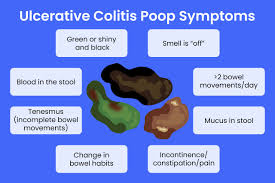
4. Change in stool color;

Signs of ulcer
It may indicate a bleeding ulcer if you discover that your stool has turned black, the color of digested blood. Urgent care is necessary for bleeding ulcers as they are significant medical problem
5. Unexplained weight loss;
Because stomach ulcers produce inflammation, they can occasionally cause a blockage in the digestive tract. This may hinder the passage of food through your stomach, resulting in decreased appetite and weight reduction.
How can I be sure it’s an ulcer?
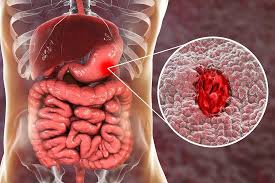

A medical diagnostic is the only method to confirm if your discomfort is being caused by an ulcer. We’ll review your medical records and perform a comprehensive physical examination
What treatments are there for ulcers?


Signs of ulcer
The cause of your ulcer will determine how you are treated. For instance, we will prescribe medications to eradicate the helicobacter pylori infection if our testing reveal that this is the source of your ulcer. Drugs that lessen stomach acid production can aid in the healing of ulcers regardless if the underlying cause. Additionally, modifying one’s diet, quitting alcohol and adopting stress reduction techniques helps hasten the healing process.
Summary
A burning or dull stomach ache, typically in the upper abdomen, is a common sign of peptic ulcers. This discomfort may be stronger at night or in between meals. Bloating, belching, nausea, vomiting, and a sense of fullness are additional common symptoms. While some ulcers are asymptomatic, severe occurrences may result in blood vomiting or tarry, black feces.