
Lifestyle
Stick-and-Poke Tattoos: What You Should Know


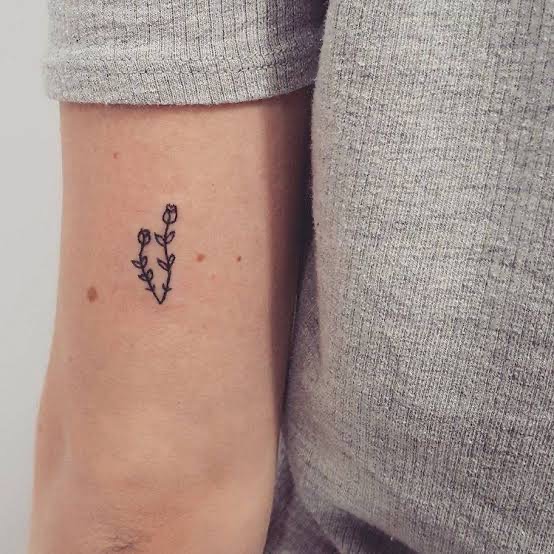
Stick-and-poke tattoos, also known as hand-poked tattoos, are a form of body art created without a traditional tattoo machine. Instead, they’re done by manually poking the skin with a needle dipped in ink, one dot at a time. While this method is popular for its DIY appeal and artistic simplicity, it also comes with unique risks and considerations.
How Stick-and-Poke Tattoos Are Done
The process involves:
– Using a sterile needle or tattoo-grade tool
– Dipping it in ink (usually India ink or tattoo ink)
– Poking the skin repeatedly to create lines, shapes, or designs
This method is slower than machine tattooing but allows for more control in small, detailed work.
Why People Choose Stick-and-Poke Tattoos
– DIY culture and self-expression
– Minimalist style and simple designs
– Lower cost compared to professional tattoos
– Personal meaning – Often done among friends or as a symbolic ritual
Risks and Complications
While stick-and-poke tattoos can be safe when done properly, there are potential health risks, especially if done in non-sterile conditions:
– Infection – Bacteria can enter the skin if tools aren’t sterilized
– Scarring – From going too deep or overworking the skin
– Allergic reactions – Especially to non-professional or low-quality inks
– Uneven lines or fading – Due to inconsistent pressure or ink placement
– Bloodborne diseases – Like hepatitis or HIV, if proper hygiene isn’t followed
Tips for Safe Stick-and-Poke Tattooing
– Use sterile, single-use needles
– Only use professional tattoo ink
– Wear gloves and disinfect the skin
– Ensure the area is well-lit and clean
– Avoid tattooing over moles, scars, or broken skin
– Aftercare is critical – Keep the tattoo clean, moisturized, and covered while healing
Healing and Aftercare
Stick-and-poke tattoos take about 2–3 weeks to heal. During this time:
– Wash the tattoo gently with mild soap and water
– Apply a thin layer of healing ointment
– Avoid picking at scabs or exposing it to sun and water (like pools)
– Watch for signs of infection: redness, swelling, pus, or fever
Conclusion
Stick-and-poke tattoos can be meaningful and artistic when done safely and carefully. Whether you’re doing it yourself or getting one from a professional hand-poke artist, hygiene, preparation, and aftercare are essential to ensure a safe and lasting result.
Disclaimer: Always consult a professional if you’re unsure or inexperienced. Your skin and health are worth the extra care.







Habits for healthy lifestyle. Developing healthy living habits requires daily thoughtful decision-making and is an ongoing effort. You may greatly enhance your general health and quality of life by concentrating on a balanced diet, consistent exercise, enough sleep, stress reduction, hydration, avoiding bad habits, and routine checkups. Start small, make little adjustments, and relish the process of becoming a healthy version of yourself.
HABITS FOR HEALTHY LIFESTYLE
Making decisions that improve one’s physical, mental, and emotional well-being is part of leading a healthy lifestyle. These behaviors enhance general quality of life in addition to preventing chronic illnesses. To live a healthier lifestyle, adopt these essential practices into your everyday routine.
1. Balanced Diet;

A balanced diet is crucial for maintaining optimal health. This includes:
– Fruits and Vegetables: Aim to fill half your plate with a variety of colorful fruits and vegetables. They provide essential vitamins, minerals, and antioxidants.
– Whole Grains: Choose whole grains over refined grains to benefit from more nutrients and fiber.
– Protein: Incorporate lean protein sources such as fish, poultry, beans, and nuts. Limit red meat and processed meats.
– Healthy Fats: Include sources of healthy fats like avocados, nuts, seeds, and olive oil, while avoiding trans fats and limiting saturated fats.
2. Regular Physical Activity;

Engaging in regular physical activity is vital for maintaining a healthy body and mind. Benefits include improved cardiovascular health, stronger muscles and bones, better mood, and enhanced cognitive function. Aim for:
– Aerobic Exercise: At least 150 minutes of moderate-intensity or 75 minutes of high-intensity aerobic exercise per week.
– Strength Training: Incorporate strength training exercises at least two days a week to build and maintain muscle mass.
3. Adequate Sleep;
Another Healthy lifestyle to embrace is Quality sleep, it is essential for physical and mental health. It allows the body to repair and regenerate and supports cognitive function. To improve sleep:
– Consistency: Stick to a regular sleep schedule, going to bed and waking up at the same time each day.
– Environment: Create a sleep-conducive environment by keeping your bedroom dark, quiet, and cool.
– Avoid Stimulants: Limit caffeine and electronic device use before bedtime.
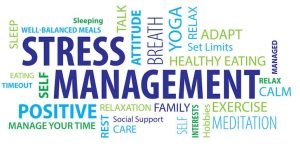
4. Stress Management;
Habits for healthy lifestyle
Chronic stress can negatively impact health. Effective stress management techniques include:
– Mindfulness and Meditation: Practices like meditation, yoga, and deep-breathing exercises can help reduce stress.
– Physical Activity: Regular exercise helps manage stress and improve mood.
– Hobbies and Interests: Engaging in activities you enjoy can provide a healthy distraction and relaxation.
5. Hydration;

Habits for healthy lifestyle
Staying hydrated is crucial for overall health. Water supports bodily functions, including digestion, nutrient absorption, and temperature regulation. Aim to:
– Drink Water: Consume at least 8 glasses (about 2 liters) of water a day, more if you’re physically active or live in a hot climate.
– Limit Sugary Drinks: Reduce intake of sugary beverages like soda and energy drinks.
6. Avoiding Harmful Habits;

Avoiding or minimizing harmful habits is key to maintaining good health:
– Tobacco: Avoid smoking and exposure to secondhand smoke. Smoking is a leading cause of many diseases, including cancer and heart disease.
– Alcohol: If you drink alcohol, do so in moderation. For women, this means up to one drink per day, and for men, up to two drinks per day.
Summary
Making significant adjustments all at once is not necessary to develop a healthy lifestyle. To significantly improve your physical and mental well-being, start by concentrating on simple, doable changes like eating whole foods, moving your body for 30 minutes every day, making 7 to 9 hours of sleep a priority, and drinking enough of water.

Sedentary lifestyles. These are defined as spending more than 30 minutes a day on low-energy activities like sitting, lying down, or reclining, are frequently linked to long-term health hazards like obesity, heart disease, and weakened muscles. People spend a large portion of their day inactive, which has an impact on both work and pleasure.
SEDENTARY LIFESTYLES
In today’s fast-paced world, sedentary behaviors have become increasingly prevalent, with profound implications for physical and mental health. From desk-bound jobs to screen-centric leisure activities, modern lifestyles often involve prolonged periods of sitting or reclining. Understanding the effects of sedentary behaviors is crucial in addressing this growing public health concern and promoting healthier living.
Sedentary Behavior Defined;

Sedentary behavior refers to any waking activity characterized by low energy expenditure while in a sitting, reclining, or lying posture. This includes activities such as watching television, working at a desk, using electronic devices, and driving. Unlike physical inactivity, which refers to not meeting recommended levels of physical activity. Sedentary behavior focuses on prolonged periods of sitting, regardless of whether physical activity goals are met.
Health Effects of Sedentary Behaviors
1. Increased Risk of Chronic Diseases: Prolonged sedentary behavior has been linked to an increased risk of chronic diseases, including obesity, type 2 diabetes, cardiovascular disease, and certain cancers. Sitting for extended periods slows down metabolism, reduces calorie expenditure, and impairs blood sugar regulation, contributing to the development of these conditions.
2. Musculoskeletal Issues:
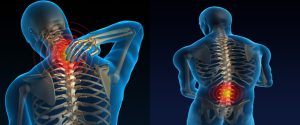
Sitting for prolonged periods can lead to musculoskeletal issues such as neck and back pain, tight hip flexors, and poor posture. Maintaining a static posture for extended periods places excessive stress on the spine and joints, leading to discomfort and decreased mobility.
3. Negative Impact on Mental Health: Sedentary behavior has been associated with an increased risk of depression, anxiety, and poor mental well-being. Spending excessive time sitting indoors, isolated from social interactions and outdoor environments. Can exacerbate feelings of loneliness, stress, and low mood.
4. Reduced Physical Fitness:
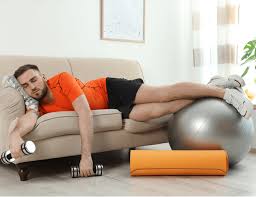
Sedentary lifestyles contribute to reduced physical fitness and functional capacity. Lack of regular movement and physical activity leads to muscle weakness, decreased flexibility. And diminished cardiovascular endurance, increasing the risk of injury and impairing overall physical performance.
5. Shortened Lifespan: Studies have shown that prolonged sedentary behavior is associated with an increased risk of premature mortality. Sedentary lifestyles contribute to the development of chronic diseases and health conditions that can shorten lifespan. Highlighting the importance of reducing sedentary time for longevity and quality of life.
Strategies to Reduce Sedentary Behaviors;
1. Break Up Prolonged Sitting:

Sedentary lifestyles
Incorporate regular breaks and movement throughout the day, aiming to stand, stretch, or walk for a few minutes every hour.
2. Engage in Regular Physical Activity: Aim for at least 150 minutes of moderate-intensity aerobic activity or 75 minutes of vigorous-intensity activity per week, along with muscle-strengthening exercises on two or more days per week.
3. Limit Screen Time: Set boundaries on screen time, including television, computer, and smartphone use, especially during leisure hours. Allocate time for physical activities, hobbies, and social interactions that do not involve screens.
4. Create an Active Environment:

Sedentary lifestyles
Foster environments that promote physical activity, such as walking or cycling paths, active transportation options, and accessible recreational facilities.
Summary
Consistently spending six or more hours a day sitting or lying down with little to no physical activity is a sign of a sedentary lifestyle. It is often called “sitting disease” and is linked to increased risks of obesity, cardiovascular disease, type 2 diabetes, and depression
Obesity and lifestyles. The primary cause of obesity, a worldwide health issue when excess fat builds up as a result of calorie intake surpassing expenditure, is lifestyle factors. Major reasons include poor eating habits (processed foods, sugar-filled beverages), inactivity, excessive screen time, sleep deprivation (less than seven hours), and chronic stress. It can be managed with dietary changes, behavior therapy, and more than 150–300 minutes of moderate exercise each week.
OBESITY AND LIFESTYLES
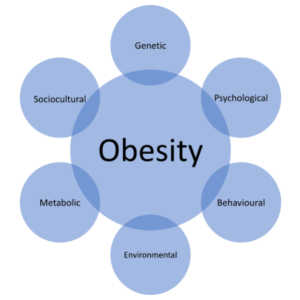
A complicated and multifaceted disorder, obesity is impacted by a number of lifestyle variables. A comprehensive strategy that prioritizes getting enough sleep, encourages regular physical activity, promotes healthy eating habits, and successfully manages stress is needed to address the underlying causes of obesity. Individuals and communities may fight obesity and improve health by adopting healthy lifestyle choices and creating surroundings that promote wellbeing.
Sedentary Behavior

Modern lifestyles often involve prolonged periods of sitting, whether at work, during leisure time, or while commuting. Sedentary behavior reduces energy expenditure and contributes to weight gain, especially when coupled with excessive calorie intake. Lack of physical activity not only leads to weight gain but also increases the risk of chronic diseases such as heart disease, diabetes, and certain cancers.
Poor Dietary Habits
Unhealthy dietary habits, characterized by the consumption of calorie-dense, nutrient-poor foods, are major contributors to obesity. Diets high in processed foods, sugary beverages, fast food, and snacks laden with salt, sugar, and unhealthy fats promote weight gain and undermine overall health. Additionally, oversized portions and frequent eating out contribute to excessive calorie intake, making it difficult to maintain a healthy weight.
Lack of Sleep

Obesity and lifestyles
Sleep plays a crucial role in regulating appetite, metabolism, and energy balance. Chronic sleep deprivation disrupts these regulatory mechanisms, leading to increased hunger and cravings for high-calorie foods. Moreover, tiredness and fatigue may reduce motivation for physical activity, further exacerbating weight gain. Poor sleep quality and inadequate sleep duration have been linked to obesity and metabolic disorders, highlighting the importance of prioritizing sleep for overall health.
Stress and Emotional Eating
Stressful lifestyles and emotional upheavals can trigger overeating and unhealthy eating behaviors. Many individuals turn to food as a coping mechanism to alleviate stress, anxiety, or boredom, often consuming calorie-rich comfort foods high in sugar and fat. Emotional eating can lead to a vicious cycle of weight gain and negative emotions, perpetuating unhealthy habits and increasing the risk of obesity-related health complications.
Environmental Factors
Obesity and lifestyles
Environmental factors, such as food accessibility, affordability, and marketing, also influence dietary choices and obesity rates. The ubiquity of fast food outlets, vending machines, and convenience stores makes unhealthy food options readily available, while healthier alternatives may be less accessible or more expensive. Moreover, pervasive food advertising, especially targeting children, promotes the consumption of unhealthy foods, further exacerbating the obesity epidemic.
Summary
Lifestyle factors are the main cause of obesity, a global health concern when extra fat accumulates due to calorie consumption exceeding expenditure. Poor eating habits (processed foods, sugar-filled beverages), inactivity, excessive screen time, insufficient sleep (less than seven hours), and long-term stress are major causes. Dietary adjustments, behavior treatment, and 150–300+ minutes of moderate activity per week are necessary to manage it.
Foods Rich in Zinc

Appetite Enhancement Tips

Nutritional Value of Rolled Oats

A Step-by-Step Guide to Deleting Reels on Instagram

A Comprehensive Guide to Setting Up a YouTube Premiere

How to Create a WhatsApp Group
-

 Health4 weeks ago
Harmful side effects of earphones
-
 Self esteem4 weeks ago
Tips for self esteem improvement
-

 Exercise4 weeks ago
Regular physical activities importance
-

 Business3 weeks ago
Local business promotion
-

 Health4 weeks ago
Headphones safety tips
-

 Entertainment3 weeks ago
Women and British dance music
Pingback: Simple Habits That Build Self-Discipline - SimplExplainer