Swimming
Swimming Tips

Swimming tips. It is a full-body, low-impact water sport that supports joints and engages muscles for competition, fitness, and leisure. In a freestyle, breaststroke, backstroke, or butterfly, for instance, it entails using the limbs to drive the body. Improved cardiovascular fitness, strength, endurance, and stress reduction are among the main advantages.
SWIMMING TIPS
It takes commitment, self-control, and a blend of mental and physical skills to become a professional swimmer. by concentrating on these important elements and making a commitment to a disciplined training schedule. Aspiring swimmers can improve their chances of reaching their full potential in the sport and succeeding at the professional level.
Here are important things you need to become a pro swimmer:
1. Technical Skill and Technique:
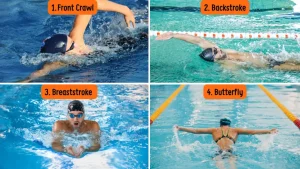
Mastering the technical aspects of swimming strokes is essential for becoming a professional swimmer. This includes proficiency in all four competitive strokes (freestyle, backstroke, breaststroke, and butterfly), as well as starts, turns, and finishes. Developing proper stroke mechanics, body positioning, and breathing technique through regular practice and feedback from coaches is crucial for maximizing efficiency and speed in the water.
2. Physical Fitness and Conditioning:
Professional swimmers must possess exceptional physical fitness and conditioning to excel in the sport. This includes cardiovascular endurance, muscular strength and power, flexibility, and agility. Structured training programs tailored to the individual athlete’s needs, incorporating swimming workouts, dryland exercises, and cross-training activities, help build overall fitness and performance capacity.
3. Mental Toughness and Resilience:
SWIMMING TIPS
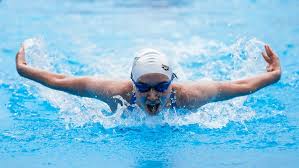
Competitive swimming requires mental toughness and resilience to overcome challenges, setbacks, and pressure situations. Professional swimmers must develop mental skills such as focus, concentration, confidence, and perseverance to maintain peak performance during training and competition. Visualization, goal-setting, and mindfulness techniques can help enhance mental resilience and optimize performance under pressure.
4. Nutrition and Recovery:
Proper nutrition and recovery are essential components of a professional swimmer’s training regimen. Fueling the body with a balanced diet rich in carbohydrates, proteins, healthy fats, vitamins, and minerals provides the energy and nutrients needed for training, recovery, and performance. Adequate hydration, rest, and recovery strategies such as sleep, massage, and stretching help optimize recovery, minimize fatigue, and reduce the risk of injury.
5. Professional Support Team:
SWIMMING TIPS
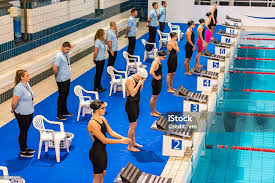
Professional swimmers rely on a dedicated support team to help them achieve their goals. And navigate the challenges of elite competition. This team may include coaches, strength and conditioning specialists, nutritionists, physiotherapists, sports psychologists, and other professionals who provide guidance, expertise, and support in various aspects of training, performance, and well-being. Collaborating with a knowledgeable and experienced support team enhances the athlete’s development, performance, and overall success in the sport.
Summary
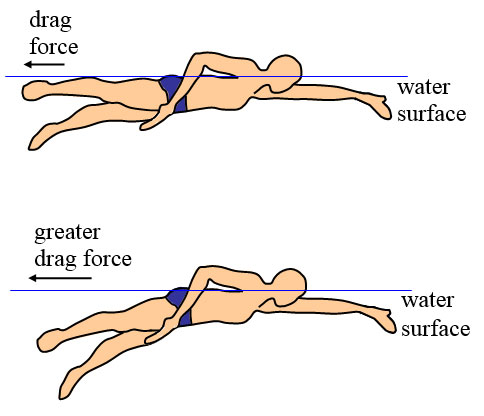
To enhance your swimming, concentrate on using a steady, relaxed, high-elbow pull, keeping your head neutral (looking down, not forward), and maintaining a streamlined, horizontal body position to avoid drag. Using a modest, quick, hip-driven kick, breathing underwater, and turning your body with each stroke are important strategies.

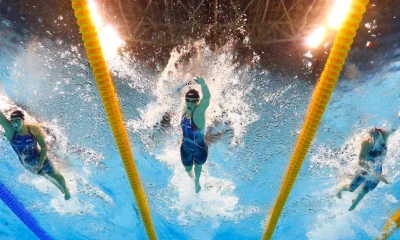


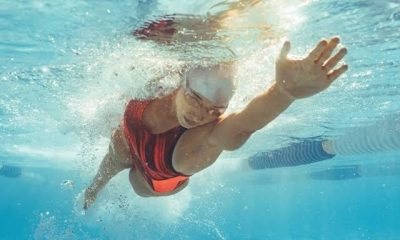

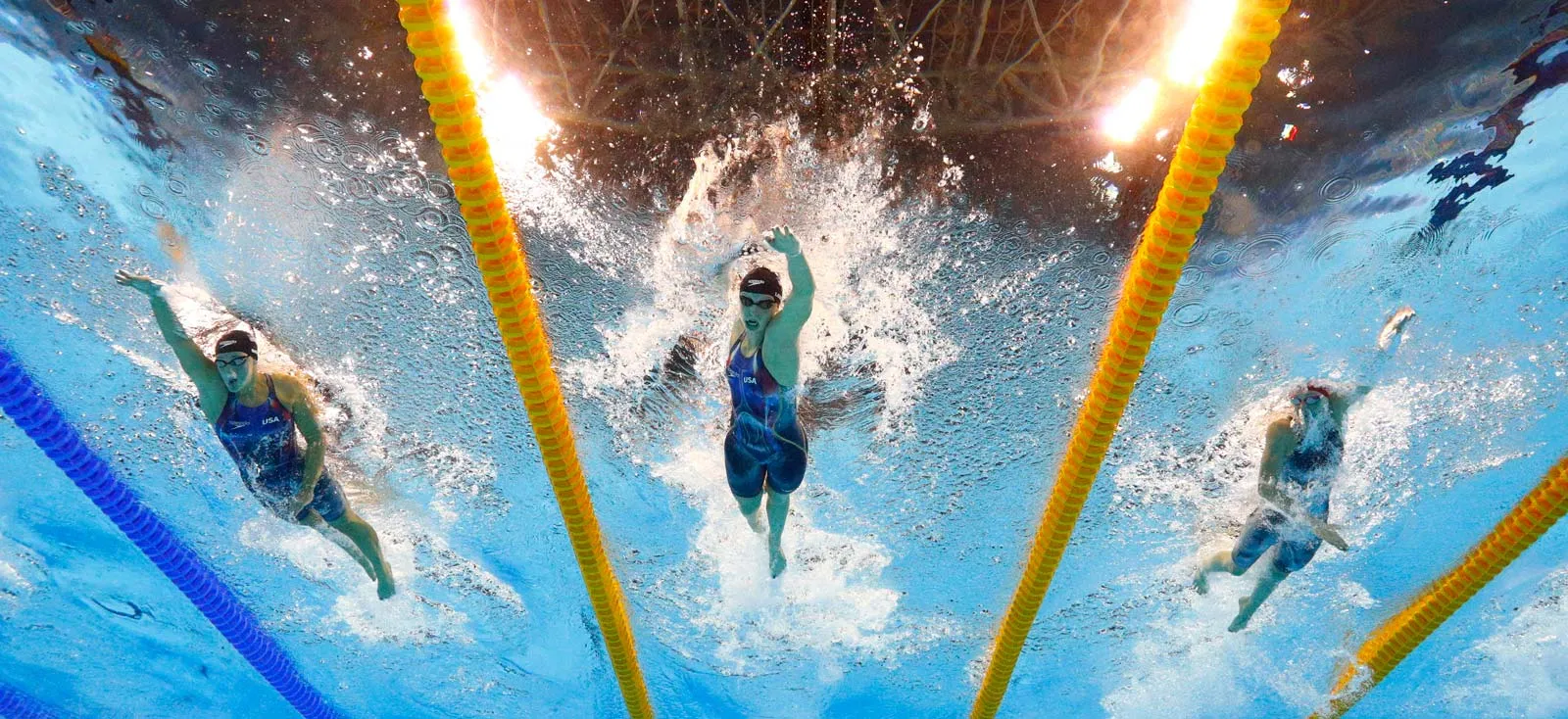
Swimming as a recreational activity. Swimming is a useful life skill with many advantages for both physical and mental health, not only a leisure pastime. Learning to swim is an attainable objective for people of all ages and abilities, whether you want to improve your technique, get over your fear of the water, or just enjoy the tranquility of gliding through the pool. We’ll give a thorough instruction on swimming in this post, covering everything from fundamental strokes to sophisticated methods.
SWIMMING AS A RECREATIONAL ACTIVITY
A lifetime of happiness, fitness, and personal fulfillment can be had by learning to swim, which is an empowering adventure. You’ll quickly experience the delight and freedom of easily gliding over the water if you follow the instructions in this tutorial and commit to consistent practice and development. So jump in, accept the challenge, and explore the amazing world of swimming.
1. Get Comfortable in the Water:
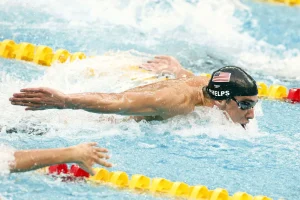
Before diving into the technical aspects of swimming strokes, it’s essential to develop comfort and confidence in the water. Start by familiarizing yourself with the sensation of being buoyant and breathing rhythmically while floating on your back. Practice relaxed breathing and gradually submerge yourself in deeper water, focusing on maintaining a calm and composed demeanor.
2. Learn Basic Floating Techniques:
Mastering basic floating techniques is the foundation of swimming. Practice floating on your front and back, allowing your body to remain buoyant with minimal effort. Experiment with different body positions and movements to find what feels most comfortable and stable for you.
3. Practice Breathing Techniques:
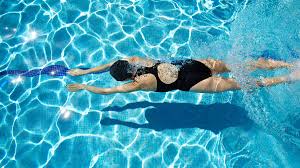
Proper breathing technique is crucial for efficient swimming. Practice rhythmic breathing by inhaling through your mouth when your face is above water and exhaling through your nose or mouth when your face is submerged. Coordinate your breathing with your arm strokes to maintain a steady rhythm and maximize oxygen intake.
4. Start with Basic Strokes:
Beginners often start with the freestyle (front crawl) stroke, as it is the most straightforward and versatile swimming technique. Focus on proper arm and leg coordination, keeping your body aligned and streamlined in the water. As you gain confidence and proficiency, you can explore other strokes, such as breaststroke, backstroke, and butterfly.
5. Perfect Your Technique:
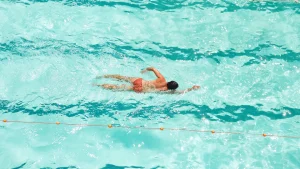
Swimming as a recreational activity
Improving your swimming technique requires patience, practice, and attention to detail. Pay close attention to your body position, hand entry, arm pull, kick, and breathing rhythm. Seek feedback from experienced swimmers or instructors, and use drills and exercises to target specific aspects of your technique that need improvement.
6. Build Endurance and Strength:
Swimming is a full-body workout that builds strength, cardiovascular endurance, and flexibility. Gradually increase the duration and intensity of your swimming sessions to build stamina and improve overall fitness. Incorporate strength training exercises, such as resistance swimming drills and water aerobics, to enhance muscular strength and power.
7. Safety First:
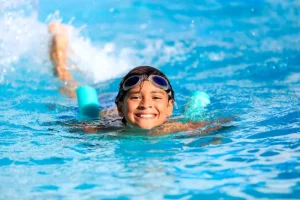
Swimming as a recreational activity
Above all, prioritize safety when swimming. Always swim in designated swimming areas supervised by lifeguards, and never swim alone. Learn basic water safety skills, such as treading water and floating, and familiarize yourself with rescue techniques in case of emergencies.
Summary
All skill levels enjoy swimming as a popular, low-impact, full-body recreational activity in lakes, oceans, and pools. It is a great, accessible kind of exercise for people of all ages because it improves cardiovascular health, increases muscular mass, increases flexibility, and provides mental calm.
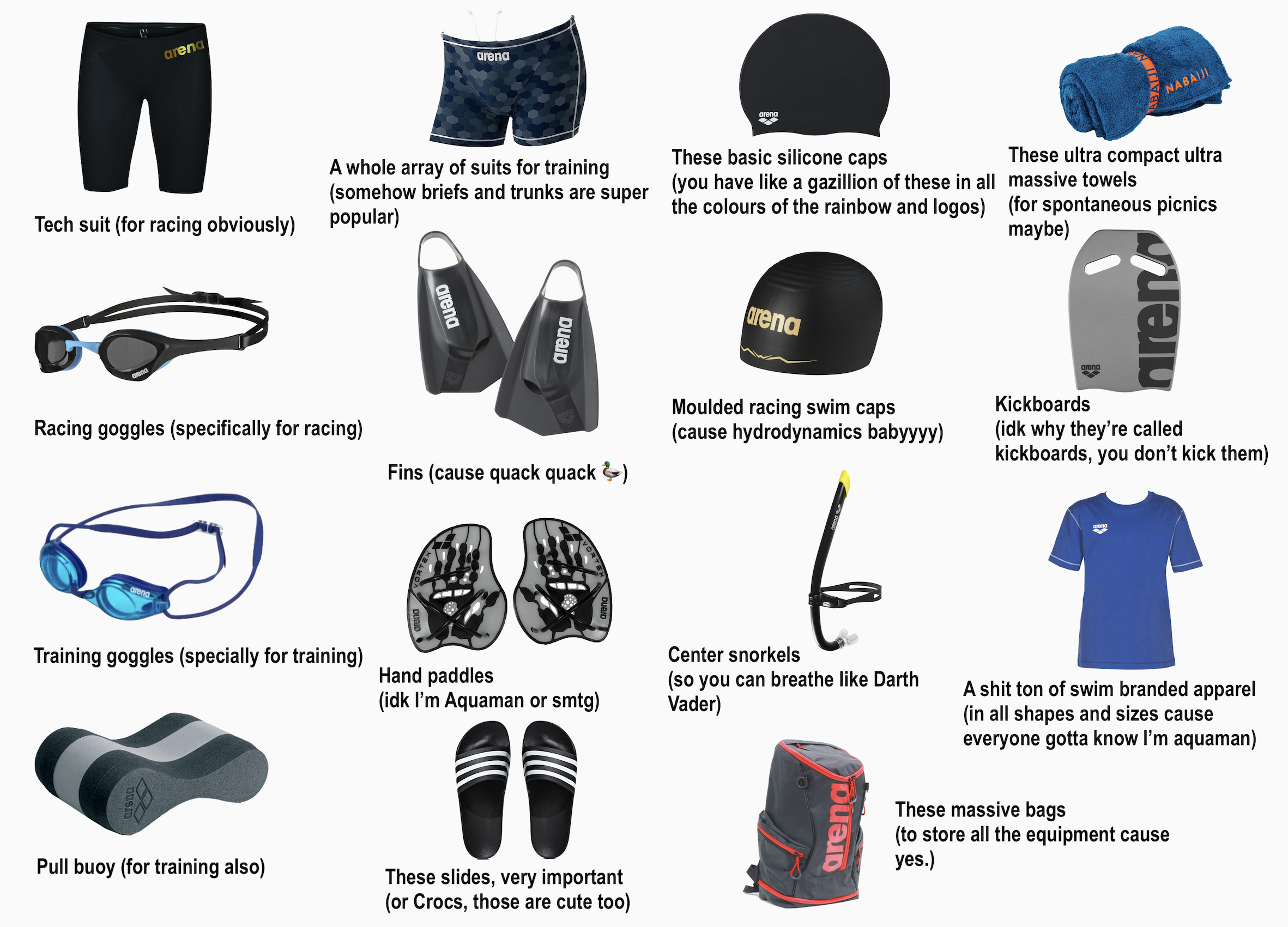
Beginners swimming gears. Starting a swimming trip is a thrilling and fulfilling activity that provides several mental, emotional, and physical advantages. Swimming is a flexible and accessible activity that appeals to people of all ages, skills, and backgrounds, whether you’re drawn to the peace of gliding over the water, the thrill of competition, or the pursuit of personal fitness objectives.
BEGINNERS SWIMMING GEARS
In this introduction, we’ll explore the transformative power of swimming, the fundamental skills and techniques involved, and the pathway to unlocking your full potential as a swimmer. So grab your swimsuit, goggles, and cap, and get ready to dive into the world of aquatic excellence. To become a professional swimmer, having the right gear is essential for optimal performance and comfort in the water.
Here are important pieces of gear you need to become a pro swimmer:
1. Swimsuit:
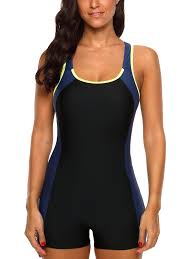
A high-quality swimsuit designed specifically for competitive swimming is essential for optimal hydrodynamics and performance. Professional swimmers often wear tight-fitting, low-drag suits made from advanced materials such as nylon, spandex, or polyester. These suits provide compression, reduce water resistance, and enhance speed and efficiency in the water.
2. Swim Goggles:
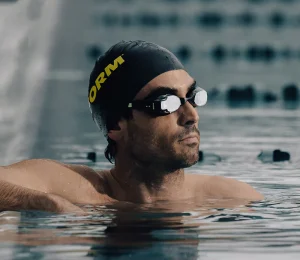
Swim goggles are essential for maintaining clear vision and protecting your eyes while swimming. Professional swimmers rely on goggles with a comfortable and secure fit, anti-fog lenses, and UV protection to ensure optimal visibility and eye safety during training and competition. Choosing goggles with adjustable straps and interchangeable nose bridges allows for a customized fit and maximum comfort.
3. Swim Cap:
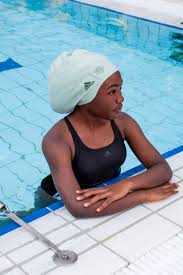
A swim cap helps streamline the swimmer’s head and reduce drag in the water, enhancing speed and efficiency. Professional swimmers often wear silicone or latex swim caps that provide a snug fit and minimize resistance while swimming. Additionally, swim caps help protect the hair from chlorine damage and keep it out of the swimmer’s face during races.
4. Training Fins:
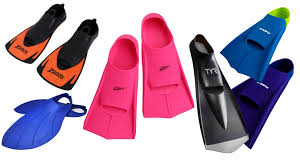
BEGINNERS SWIMMING GEARS
Training fins are a valuable tool for building leg strength, improving technique, and enhancing propulsion in the water. Professional swimmers use swim fins made from lightweight materials such as silicone or rubber, which provide resistance and propulsion while swimming. Fins can be worn during various drills and training exercises to target specific muscle groups and improve overall performance.
5. Kickboard:
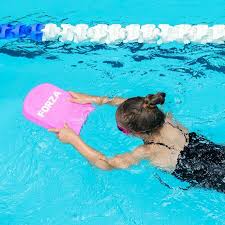
BEGINNERS SWIMMING GEARS
A kickboard is a versatile training aid that helps swimmers isolate and strengthen their leg muscles while focusing on kicking technique. Professional swimmers use kickboards made from buoyant materials such as foam or plastic, which provide support and stability in the water. Kickboards can be used for a variety of drills, including flutter kick, dolphin kick, and breaststroke kick, to improve leg strength and endurance.
Summary
You can increase your performance potential and move closer to becoming a professional swimmer by making an investment in top-notch swim equipment and incorporating it into your training routine. Additionally, you may extend the life of your equipment and guarantee ongoing performance benefits by giving it regular care and maintenance, such as cleaning it with fresh water after each use and letting it air dry.

Earth Frozen Frontiers

Natural Majestic Wonders

Daily Life Hacks

A Step-by-Step Guide to Deleting Reels on Instagram

A Comprehensive Guide to Setting Up a YouTube Premiere