
Blogging
The Role of Women in Leadership

THE ROLE OF WOMEN IN LEADERSHIP
The term “glass ceiling” describes the imperceptible but strong obstacles that impede women’s advancement and restrict their ability to advance in the workplace. It represents the gender gaps that exist in many enterprises, where talented and competent women find employment.
Also, women are breaking through the glass ceiling and taking on major leadership roles in a variety of professions in today’s world which is changing quickly. Even though there has been significant progress toward gender equality in leadership positions, much work remains. This piece examines the noteworthy advancements achieved by female executives, the ongoing obstacles they encounter, and the critical part they play in shattering the glass ceiling.

THE ROLE OF WOMEN IN LEADERSHIP
However, the role of women in leadership. Women have battled against cultural prejudice and societal conventions for millennia to be acknowledged and granted equal rights in a variety of spheres of life. Women have achieved tremendous progress in the corporate sector, politics, entrepreneurship, and other domains in the past few decades, shattering the “glass ceiling” that has impeded their ability to assume leadership roles. From being an anomaly to a force for change, women in leadership roles are now defying stereotypes and changing the balance of power and influence.
The roles of women in leadership
Meanwhile, the diversity of perspectives that women bring to leadership roles is one of the main advantages of their presence. Women typically approach issues and challenges in different ways than men, and their viewpoints might reveal fresh approaches and opportunities that could have gone unnoticed.
Furthermore, studies have indicated that businesses with a higher proportion of female leaders typically have higher levels of success and profitability. This is because women frequently have excellent interpersonal and teamwork abilities, which can support the development of strong teams and a favorable work atmosphere.
Roles of Women;
Fighting against gender norms
Compassion
Different points of view
Achieving communication and collaboration
promoting creativity
Adaptable work schedules
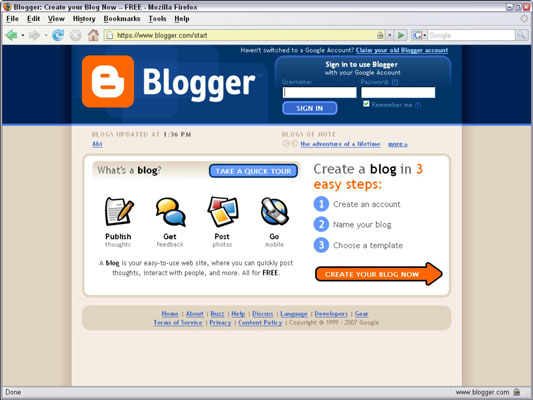
Google blogger beginner guide. For anyone wishing to launch a blog, Google Blogger offers an easily accessible platform. Blogger makes it simple to produce, publish, and manage material online with its user-friendly interface, customizable themes, and smooth integration with Google services. You’ll be well on your way to creating a successful online presence with Google Blogger if you follow the instructions in this article and remain dedicated to your blogging endeavor.
GOOGLE BLOGGER BEGINNER GUIDE
For anyone wishing to launch a blog, Google Blogger offers an easily accessible platform. Blogger makes it simple to produce, publish, and manage material online with its user-friendly interface, customizable themes, and smooth integration with Google services. You’ll be well on your way to creating a successful online presence with Google Blogger if you follow the instructions in this article and remain dedicated to your blogging endeavor.
Getting Started
1. Sign Up for a Google Account:
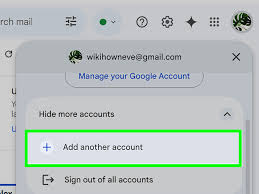
If you don’t already have one, sign up for a Google account. This will give you access to Blogger and other Google services.
2. Access Blogger: Once you have a Google account, visit the Blogger website (blogger.com) and sign in using your Google credentials.
3. Create Your Blog: Click on the “Create New Blog” button to begin the process of setting up your blog. You’ll be prompted to choose a title for your blog and a unique URL (web address).
Designing Your Blog;

1. Choose a Theme: Blogger offers a selection of customizable themes to choose from. Browse through the options and select a theme that suits your style and niche.
2. Customize Your Theme: Once you’ve chosen a theme, you can customize it to match your preferences. This includes changing colors, fonts, and layout options to create a unique look for your blog.
Creating and Publishing Content
1. Write a New Post: To create a new blog post, click on the “New Post” button in the Blogger dashboard. This will open a text editor where you can write and format your post.
2. Add Images and Multimedia: Enhance your blog posts by adding images, videos, and other multimedia content. Blogger makes it easy to upload and embed media directly into your posts.
3. Preview and Publish:
Google blogger beginner guide
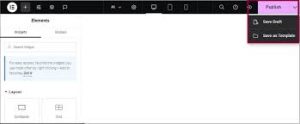
Before publishing your post, preview it to ensure everything looks as intended. Once you’re satisfied, click the “Publish” button to make your post live on your blog.
Managing Your Blog
1. Dashboard: The Blogger dashboard is your central hub for managing your blog. From here, you can view your blog’s stats, manage comments, and access various settings.
2. Customize Settings: Explore the settings menu to customize various aspects of your blog, such as privacy settings, search preferences, and mobile settings..
Engaging with Your Audience;

Google blogger beginner guide
1. Enable Comments: Encourage interaction by enabling comments on your blog posts. Engage with your audience by responding to comments and fostering discussions.
2. Promote Your Blog: Share your blog posts on social media platforms and engage with other bloggers in your niche. Building a community around your blog will help increase visibility and attract more readers.
Summary
You don’t need to know how to code to publish blogs using Google Blogger, a free and user-friendly platform. It integrates easily with your current Google account and Google AdSense for simple monetization, requires no hosting expenses, and only takes a few minutes to set up.

Tips for successful blog post. A compelling, search engine-friendly headline and valuable, readable content that addresses a particular reader issue make up a good blog post. A strong call-to-action (CTA), actionable insights, visual media, a well-organized body with subheadings, and an engaging introduction are all essential components.
TIPS FOR SUCCESSFUL BLOG POST
Blogging is a great way to reach a large audience with your ideas, knowledge, or anecdotes. Knowing the main elements of a great blog post is crucial, whether you’re beginning a personal blog or writing for a business. When creating captivating material, keep the following points in mind:
1. Know Your Audience;

Understanding your audience is the cornerstone of effective blogging. Before you start writing, ask yourself: Who is reading this? What are their interests and questions? Tailoring your content to your target readers helps ensure that your post resonates and keeps them engaged.
2. Start with a Catchy Headline;
Your headline is the first thing readers will see, so make it compelling and clear. A great headline grabs attention and gives a hint about what the post is about. Use action words or pose a question to intrigue your audience, but keep it concise.
3. Structure and Readability;
Organize your post with subheadings, short paragraphs, and bullet points to make it easy to scan. Most readers skim blog posts before diving into the details, so a clear structure improves readability and helps convey key points quickly. Including visuals like images or infographics can break up text and make the post more engaging.
4. Provide Value;

TIPS FOR SUCCESSFUL BLOG POST
Quality content that solves a problem, answers a question, or offers a fresh perspective will keep readers coming back. Ensure your blog post is informative, insightful, or entertaining. Sharing unique insights, backed by research or personal experience, adds credibility and value to your writing.
5. Optimize for SEO;
Search Engine Optimization (SEO) helps your post rank higher in search engines and reach a larger audience. Use relevant keywords naturally throughout the post, including in the title, subheadings, and body text. Adding meta descriptions and internal or external links also boosts SEO effectiveness.
6. Include a Call-to-Action;

TIPS FOR SUCCESSFUL BLOG POST
Encourage your readers to take the next step by including a call-to-action. Whether it’s subscribing to a newsletter, leaving a comment, or checking out related articles, a CTA keeps readers engaged and helps build community interaction.
7. Proofread and Edit;
Nothing detracts from a blog post like spelling or grammar errors. Always proofread your work before publishing. Reading it out loud or using editing tools can help you catch mistakes and refine your writing for clarity and flow.
Summary
More than just writing well is needed to create a successful blog post; you also need to give value, optimize for search engines, and maintain audience engagement. You can write blogs that connect with readers and entice them to come back for more by concentrating on these important areas.

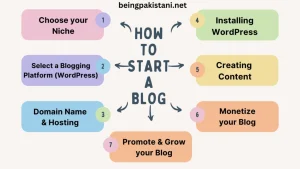
Blogging niche guidelines. This is a topic or audience that your blog concentrates on. By addressing issues for a specific group, such as “vegan cooking for busy moms” rather than just “food,” you can develop authority, gain a devoted following, and possibly make money. To choose one, look for the points where your expertise, audience desire, and profitability converge. For greater success, concentrate on certain “micro-niches” within more general categories like health, wealth, technology, or lifestyle.
BLOGGING NICHE GUIDELINES
Also, in order to build an engaged community and prevent burnout, blogging niche guidelines focus on finding the sweet spot between your passion/expertise, audience demand, and profitability. This involves researching market need (Google Trends, keyword tools), monetization potential (affiliate products, ads, services), and audience willingness to spend. The topic or issue your blog concentrates on is known as its niche. It’s the main idea that connects all of the posts on your site.
What is niche?
Meanwhile, a niche is a specialized, targeted segment of a larger market, industry, or interest that serves a particular group with particular needs or preferences. By customizing goods or content for that particular audience rather than attempting to appeal to everyone, businesses or creators can become experts, foster loyalty, and stand out.
However, finding your “unique spot” or particular role—such as Bikram yoga within the larger yoga sector or eco-friendly pet goods within the general pet market—is essential to your success.
Ideas for Consideration;
1. Meanwhile, style and Beauty Online customers looking for advice, guides, product suggestions, etc. are drawn to the beauty and fashion area. And it’s enormous.
2. However, product Evaluations In-depth and frank reviews are highly sought after given the abundance of brands and new product releases. a site with extensive reviews of skincare, hair care, makeup, and fashion products will draw a lot of readers who are trying to make educated purchases.

Blogging niche guidelines
3. Makeup Tutorials:
Also, Detailed makeup instructions are very well-liked. particularly in video formats that can be uploaded to YouTube and posted on a blog. Having a blog with simple instructions for all styles and abilities will assist you in developing a loyal readership.
4. Moreover, Hair Care Advice Many ask for tips on keeping their hair healthy and attractive. create a blog A site that offers advice on products, styles, and care regimens.
More Tips;
Blogging niche guidelines
5. Although, here are tips for Skincare A blog with professional skincare advice can draw readers from a variety of backgrounds, including those looking for specific problem solutions as well as those wishing to build a skincare regimen.
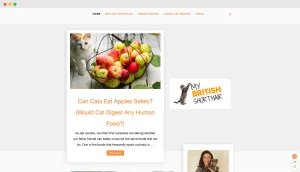
6. Meanwhile, trends in Fashion For individuals who value style, staying on top of trends is essential because fashion changes quickly. A style-conscious audience can be drawn to a blog that examines and presents the latest and emerging trends in apparel, and accessories.
Blogging niche guidelines
7. Company;
Also, there are a ton of specialty blog ideas in this category that can be used to offer insightful commentary about managing a business.
Summary
Hence, blogging is the process of producing and publishing digital content (posts) on a website, frequently in a conversational tone, to share knowledge, experiences, or expertise with an online audience. It has evolved from personal diaries to effective marketing and branding tools, using platforms like WordPress to create a community and possibly generate revenue by concentrating on a particular niche and offering worthwhile, interesting content.
Foods Rich in Zinc

Appetite Enhancement Tips

Nutritional Value of Rolled Oats

A Step-by-Step Guide to Deleting Reels on Instagram

A Comprehensive Guide to Setting Up a YouTube Premiere

How to Create a WhatsApp Group
-

 Health4 weeks ago
Harmful side effects of earphones
-

 Self esteem4 weeks ago
Tips for self esteem improvement
-

 Exercise4 weeks ago
Regular physical activities importance
-

 Health4 weeks ago
Headphones safety tips
-

 Business3 weeks ago
Local business promotion
-

 Entertainment3 weeks ago
Women and British dance music