Time
Timing Tips


Timing tips. Using calendars and to-do lists, setting up a timetable, prioritizing tasks based on urgency and importance, breaking down major work, minimizing distractions, taking breaks, and avoiding multitasking are all ways to optimize timing.
TIMING TIPS
The process of organizing and regulating the amount of time spent on particular tasks is known as time management. Effective time management reduces stress, promotes career success, and allows one to accomplish more in less time.
1) Remind yourself why you want to be more punctual;

TIMING TIPS
When starting your own company, you must ascertain the motivation behind your choices. By doing this, you’ll maintain your motivation and make sure you persevere. This might also assist you in locating possible obstacles and Ways to get around them.
Think about the reasons you wish to quit being late. Once you’ve done this, consider how this will improve your life, and after that, prioritize being on time.
2) Know yourself;
Suppose you are a chronic tardy at work. Is it a result of you not getting up early enough? Do you underestimate how long your commute will take? Do you think you can go around more quickly than you actually do?
3) It’s always better to overestimate;

TIMING TIPS
When it comes to scheduling, estimating is usually a good idea. That’s because unexpected events can happen to anyone, no matter how well-organized they are. This could include getting stuck in traffic due to an accident or unable to enter the zone while at work. Hell, there are instances when we realize that getting ready to leave the house and dress takes longer than we anticipated. I’ve miscalculated the amount of time it takes for my clothes to dry on multiple occasions, which has caused me to leave later than intended.
4) Plan the night before;
Establish a nighttime habit where you prepare for tomorrow tonight, rather than rushing about every morning. Organizing your wardrobe, packing a lunch, keeping track of your wallet and keys and checking your schedule are a few example. Practice your presentation and make sure all of your paperwork and supplies are ready to go.
5) Set your watch later;

TIMING TIPS
This is a simple enough trick to make your brain believe that it is later than it actually is. Simply set your clocks and watches to be five or ten minutes later than the real time. Just make sure they’re all in sync so you wont be confused when the clocks on your phone, computer, and wall differ from your wristwatch.
6) Be ruthless with your time;
Your calendar should solely be used or arrange events; nothing else should take up your attention. This entails not letting notifications on your phone divert you from your task or abandoning whatever you’re doing to go get coffee with friend. It might also include saying “no” more frequently. For example, you might have to turn down an invitation to another social function on the same day if you have already made plans to attend one.
7) Under-schedule yourself;

TIMING TIPS
When was the last time you kept a time log? by knowing that information, you can avoid taking on too much. For example, you won’t commit to a last minute conference call or assist an employee with a problem if you know that you have meetings all day and that you need time to travel and prepare between each.
Summary
Effective time management is a critical skill. More productivity and efficiency, reduced stress, and more achievement in life are all results of effective time management. The following are some advantages of efficient time management:
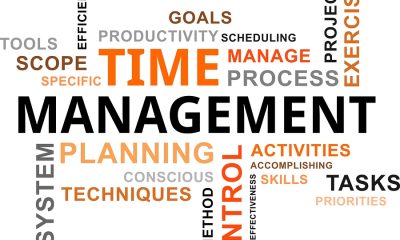









Skills for Time Management. Prioritization, goal-setting, planning, delegating, focus, boundary-setting, and automation are seven crucial time management techniques. You can determine the times of day when you are usually most productive by examining your daily and weekly patterns.
SKILLS FOR TIME MANAGEMENT
The fundamental abilities needed for efficient time management are focus, planning, and prioritization. By cultivating these qualities, you may work more effectively rather than harder, reducing stress and increasing both your personal and professional productivity.
Why is Time Management Important?

Skills for Time Management
- Increased productivity and less stress.
- Gain more control over your workflow.
- Proven ability to fulfill deadlines consistently.
1. Start the day with a plan. It all begins with a plan. To make the most use of your time, make a plan for everything you want to get done that day.
2. Prioritize your most crucial projects. Once you’ve made a to-do list, categorize it in order of priority.
3. Separate huge projects into smaller assignments. When you’re feeling overwhelmed, you might want to postpone and focus on other things instead. To alleviate this discomfort, divide major undertakings into smaller, more doable activities.

Skills for Time Management
4. Limit distractions. Time management self-reflection: Identify the things that distract you and devise a way to reduce that distraction.
5. Leave the emails for later. Set a particular time to check your email or wait till you’ve completed your current task before checking it.
6. Batch your time. You can also benefit from the efficiency of not switching jobs by batching your time. If you have several related projects, strive to complete them at the same time.
7. Reduce multitasking duties. If you want to make better use of your time, wait until you’ve completed the current task before moving on to the next item on your list.

8. Schedule time off on your calendar. Organizing your activities, meetings, deadlines, and responsibilities on a calendar will help you save time. Having a single location to check these items saves time. Motivating ourselves
Summary
You might believe that there is never enough time in a day to complete your tasks. To make the most of every day, it is essential to adopt effective time management strategies.

Time Management Benefits. The process of organizing and regulating how much time you devote to particular tasks in order to operate more efficiently, lower stress levels, and increase production is known as time management. Setting specific objectives, prioritizing work, and avoiding multitasking are important tactics.
TIME MANAGEMENT BENEFITS
Effective time management helps leaders, entrepreneurs, and small business owners achieve their goals. Utilizing your time effectively improves work-life balance and job happiness. Effective time management also reduces stress and makes achieving your objectives easier and quicker.
What is time management?
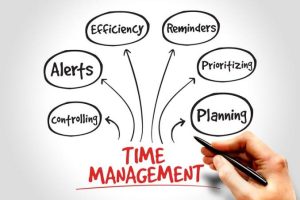
Organizing and controlling your time is the practice of time management. You can plan your time between your most important tasks by practicing good time management. You take charge of your time and energy when you practice effective time management. By taking charge of your schedule, you can accomplish more in less time and with less stress.
The relevance;

1. Reduced anxiety
Effective time management lowers stress and boosts self-assurance.
2. An improved equilibrium between work and life
A better work-life balance is one of the most significant advantages of time management.
3. Greater flexibility with time
More time freedom is one of the main advantages of time management. when you’re more free with your time.
4. A sharper focus
Managing your time well helps you become more focused and productive. A sharper focus enables you to seize more opportunities.
5. Increased output

Time Management Benefits
You can do more and be more productive with effective time management. You can prioritize your tasks and lower your stress level with time management abilities.
6. Reduction in postponement
Poor time management leads to procrastination. It’s simple to put things off when your goals aren’t clear and concentrated.
7. Everything is more straightforward. Things become straightforward and uncomplicated when one has good time management abilities. You get stronger and more capable when you manage your time.
8. Reduction in distraction
Time management that works reduces distractions and increases focus. Distraction reduces productivity and affects time management.
9. Enhanced vitality

Time Management Benefits
Increased motivation and energy are two of the main advantages of time management.
10. A moment to reflect
Using efficient time management strategies allows you to plan and think more. You’ll have more time to work on your top objectives if you schedule your time well. career success.
Summary
Key advantages of time management include improved work-life balance, lower stress levels, and more productivity. You can accomplish your goals with less anxiety if you plan your day.
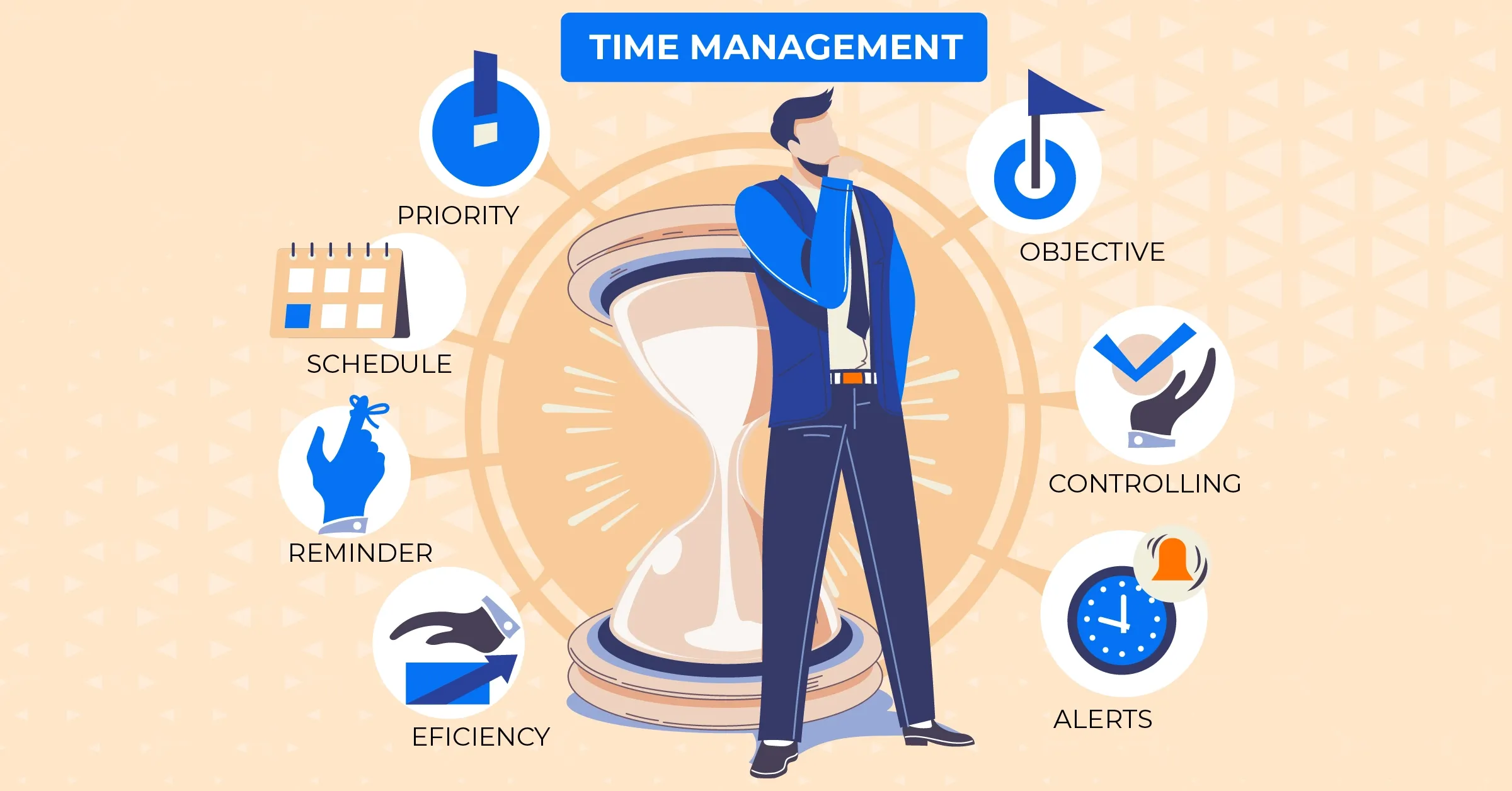
Time management tips. Time is the ongoing passage of existence from the past, through the present, and into the future that seems to be unchangeable. As a component quantity of many measurements used to sequence occurrences, compare the length of events (or the intervals between them), and quantify rates of change of quantities in material reality or in the conscious experience, time determines all types of action, age, and causation.
TIME MANAGEMENT TIPS
The process of organizing and regulating time spent on particular tasks in order to boost effectiveness, productivity, and efficiency is known as time management. Setting objectives, prioritizing work, making timetables (time blocking), avoiding distractions, and taking breaks are important tactics to prevent burnout. Stress is decreased and work-life balance is enhanced by effective management.
1) Remind yourself why you want to be more punctual;

When starting your own company, you must ascertain the motivation behind your choices. By doing this, you’ll maintain your motivation and make sure you persevere. This might also assist you in locating possible obstacles and Ways to get around them.
Think about the reasons you wish to quit being late. Once you’ve done this, consider how this will improve your life, and after that, prioritize being on time.
2) Know yourself;
Suppose you are a chronic tardy at work. Is it a result of you not getting up early enough? Do you underestimate how long your commute will take? Do you think you can go around more quickly than you actually do?
3) It’s always better to overestimate;

When it comes to scheduling, estimating is usually a good idea. That’s because unexpected events can happen to anyone, no matter how well-organized they are. This could include getting stuck in traffic due to an accident or unable to enter the zone while at work. Hell, there are instances when we realize that getting ready to leave the house and dress takes longer than we anticipated. I’ve miscalculated the amount of time it takes for my clothes to dry on multiple occasions, which has caused me to leave later than intended.
4) Plan the night before.
Establish a nighttime habit where you prepare for tomorrow tonight, rather than rushing about every morning. Organizing your wardrobe, packing a lunch, keeping track of your wallet and keys and checking your schedule are a few example. Practice your presentation and make sure all of your paperwork and supplies are ready to go.
5) Set your watch later;

Time management tips
This is a simple enough trick to make your brain believe that it is later than it actually is. Simply set your clocks and watches to be five or ten minutes later than the real time. Just make sure they’re all in sync so you wont be confused when the clocks on your phone, computer, and wall differ from your wristwatch.
6) Under-schedule yourself;
Time management tips
When was the last time you kept a time log? by knowing that information, you can avoid taking on too much. For example, you won’t commit to a last minute conference call or assist an employee with a problem if you know that you have meetings all day and that you need time to travel and prepare between each.
Summary
Using tools like the Eisenhower Matrix (urgent vs. important) to prioritize activities, segmenting huge projects into smaller phases, and employing strategies like Pomodoro (25-minute attention intervals) are all part of effective time management. Setting daily objectives, minimizing multitasking, and learning to say “no” to unimportant commitments are important tactics.

Earth Frozen Frontiers

Natural Majestic Wonders

Daily Life Hacks

A Step-by-Step Guide to Deleting Reels on Instagram

A Comprehensive Guide to Setting Up a YouTube Premiere