Health
Tips for Breathlessness

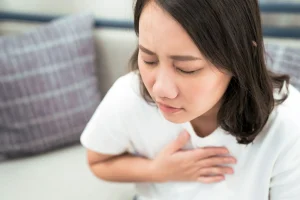

Tips for breathlessness. This is a symptom that should not be disregarded, particularly if it happens frequently or has no apparent cause. It can save lives to recognize potential triggers and know when to get help. Don’t be afraid to seek a comprehensive assessment from a medical professional if you’re worried about your breathing. It’s critical to get medical help right away if you have sudden, acute, or inexplicable dyspnea. This could indicate a potentially fatal illness such a heart attack, pulmonary embolism, or severe asthma attack. To rule out underlying health conditions, it is advisable to visit a healthcare provider even if the symptoms are moderate but persistent.
TIPS FOR BREATHLESSNESS
Exercise, worry, infections (cold/flu), or severe heart/lung disorders (asthma, COPD, pneumonia, heart failure) can all cause breathlessness (dyspnea), an uncomfortable sensation of not getting enough air, such as chest tightness or “air hunger.” It can be either acute (sudden) or chronic (ongoing), and if it is severe (gasping, blue lips, confusion), it needs to be treated right away since it may indicate a heart attack or other emergency. However, lifestyle modifications like giving up smoking or losing weight can help control it over time.
Common Causes;
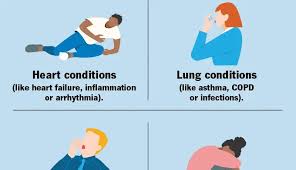

1. Respiratory Conditions:
Conditions like asthma, chronic obstructive pulmonary disease (COPD), pneumonia, and pulmonary embolism often lead to shortness of breath. These conditions restrict airflow or impair lung function, making it difficult to breathe.
2. Cardiovascular Issues:
Heart-related problems such as heart failure, coronary artery disease, or arrhythmias can also cause shortness of breath. The heart may struggle to pump blood efficiently, leading to fluid buildup in the lungs and making breathing labored.


TIPS FOR BREATHLESSNESS
Emotional stress, anxiety, and panic attacks can trigger hyperventilation, where one breathes too quickly, leading to feelings of breathlessness. This type of dyspnea is usually short-lived and resolves once the anxiety subsides.
4. Physical Exertion:


TIPS FOR BREATHLESSNESS
Strenuous exercise or physical activity, especially if unaccustomed, can cause shortness of breath. This is generally normal and temporary, as the body requires more oxygen to meet the increased demands.
5. Environmental Factors:
Exposure to pollutants, allergens, or high altitudes can lead to shortness of breath. In such cases, avoiding the trigger or acclimatizing to the environment can help alleviate symptoms.
Symptoms;

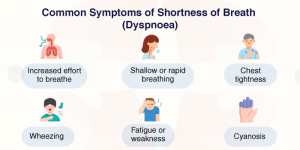
TIPS FOR BREATHLESSNESS
While occasional shortness of breaths can be normal, especially after exercise or in stressful situations, persistent or severe symptoms may indicate a more serious condition. Warning signs include:
– Difficulty breathing while lying flat
– Persistent chest pain or pressure
– Wheezing or a whistling sound when breathing
– Blue lips or fingers (cyanosis)
– Rapid or irregular heartbeat
– Fainting or dizziness
Summary
Dyspnea, often known as shortness of breath, is a common but upsetting sensation that can range from minor discomfort to an intense sense of suffocation. It might happen abruptly or gradually, and it can endure for a few minutes or more. It’s critical to comprehend the underlying issues and know when to seek medical help.