Aged
Tips for healthy Aging

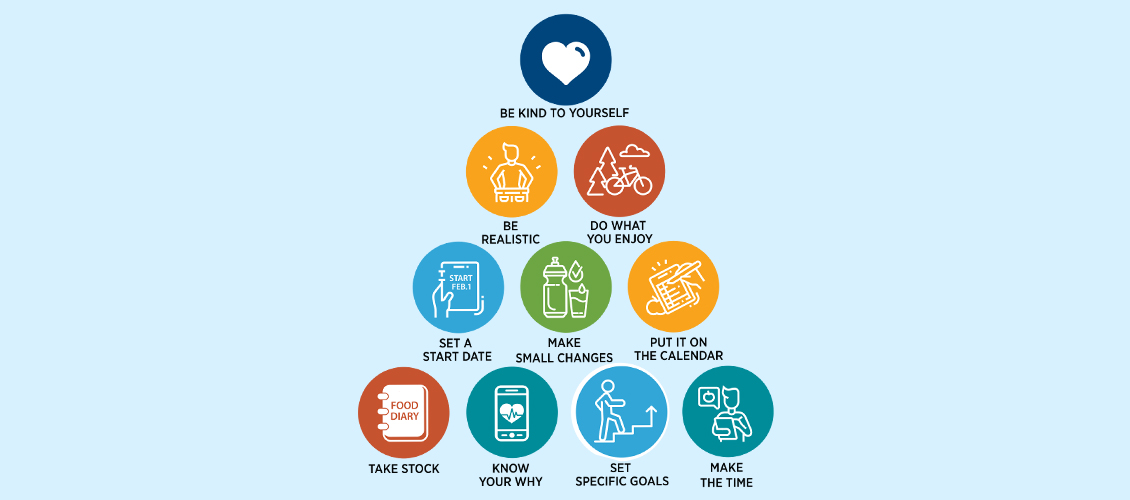
Tips for healthy Aging. keeping physical activity, eating a diet high in nutrients, keeping social connections, and arranging routine checks are all part of healthy aging. To retain independence, prioritize getting seven to nine hours of sleep each night, eating a balanced diet rich in fruits, vegetables, and lean protein, and exercising moderately for at least 150 minutes each week.
TIPS FOR HEALTHY AGING
Age-related issues don’t have to define our experience of becoming older, even if they are a normal aspect of aging. by leading a healthy lifestyle, maintaining social ties, and asking for help when required. People can age gracefully and vibrantly. Keep in mind that age is just a number and that every stage of life may be significant and satisfying with the correct attitude and strategy.
Common Age-Related Problems:
1. Joint Pain and Arthritis: As we age, the cartilage in our joints naturally wears down, leading to stiffness, pain, and conditions such as osteoarthritis.
2. Reduced Mobility and Balance: Muscle mass tends to decrease with age, resulting in reduced strength and flexibility. This can increase the risk of falls and injuries.
3. Cognitive Decline: While some cognitive changes are a normal part of aging, significant decline in memory, reasoning, and processing speed may indicate conditions such as dementia or Alzheimer’s disease.
4. Vision and Hearing Loss:
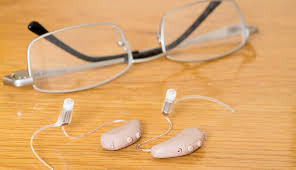
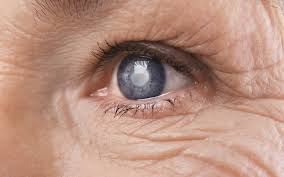
Aging can affect vision and hearing, leading to conditions like presbyopia, cataracts, macular degeneration, and hearing impairment.
5. Chronic Health Conditions: Older adults are more susceptible to chronic health conditions such as hypertension, diabetes, heart disease, and osteoporosis.
6. Social Isolation: Changes in social networks, retirement, loss of loved ones, and mobility issues can contribute to feelings of loneliness and social isolation.
7. Mental Health Challenges:

Tips for healthy Aging
Depression and anxiety are common among older adults, often due to life transitions, health concerns, or social isolation.
Strategies for Healthy Aging
1. Stay Active: Regular physical activity can help maintain muscle strength, flexibility, and balance. Activities like walking, swimming, or yoga are beneficial for overall health and well-being.
2. Healthy Diet: A balanced diet rich in fruits, vegetables, whole grains, lean proteins, and healthy fats can support physical and cognitive health. Adequate hydration is also important.
3. Regular Health Screenings:

Tips for healthy Aging
Routine health check-ups and screenings for conditions such as hypertension, diabetes, and cancer can help detect problems early and prevent complications.
4. Cognitive Stimulation: Engaging in mentally stimulating activities, such as puzzles, reading, learning new skills, or socializing, can help preserve cognitive function and reduce the risk of cognitive decline.
5. Vision and Hearing Care: Regular eye exams and hearing tests are essential for detecting and addressing age-related changes in vision and hearing.
6. Social Engagement: Maintaining social connections through community activities, volunteering, or spending time with friends and family can combat social isolation and promote mental well-being.
7. Manage Stress: Practicing relaxation techniques such as deep breathing, meditation, or mindfulness can help reduce stress and promote emotional resilience.
8. Seek Support:

Tips for healthy Aging
Don’t hesitate to reach out to healthcare professionals, support groups, or counselors for assistance with managing physical or mental health challenges.
Summary
Aging is an unavoidable aspect of life’s journey. Wisdom, knowledge, and a plethora of memories come with growing older, but there are drawbacks as well. recognizing typical age-related issues and using healthy aging techniques. It can enable people to continue leading fulfilling lives as they age.

Tips for older adults sight. Get thorough eye checkups every one to two years, consume omega-3-rich seafood and leafy greens, and wear sunglasses that block UV rays to keep your eyes healthy as an older adult. To lessen screen-induced eye strain, manage chronic illnesses like diabetes, quit smoking, utilize appropriate lighting, and follow the 20-20-20 rule.
TIPS FOR OLDER ADULTS SIGHT
These techniques can help older persons preserve and even improve their vision, even if natural aging might have an impact. Older folks can maintain their eyesight and general eye health for many years to come by concentrating on proper diet, consistent eye care, and good lifestyle choices.
1. Maintain a Nutrient-Rich Diet;

A balanced diet rich in nutrients like omega-3 fatty acids, vitamins C and E, zinc, and lutein can help protect against age-related vision issues such as macular degeneration and cataracts. Foods that support eye health include leafy greens, carrots, fish (like salmon), eggs, and citrus fruits.
2. Stay Hydrated;
Drinking enough water helps keep your eyes hydrated and can reduce dryness and irritation, which is common in older adults.
3. Practice Good Eye Hygiene;

Avoid straining your eyes by taking regular breaks when using screens or reading. The 20-20-20 rule (every 20 minutes, look at something 20 feet away for 20 seconds) can help reduce eye fatigue.
4. Regular Eye Checkups;
Seeing an eye doctor regularly can catch early signs of issues like glaucoma, cataracts, or age-related macular degeneration. Early detection can lead to more effective treatment.
5. Wear Protective Eyewear;

Tips for older adults sight
Protect your eyes from UV rays by wearing sunglasses with 100% UV protection when outdoors. This helps prevent damage from the sun that can contribute to cataracts and other eye problems.
6. Manage Chronic Health Conditions;

Tips for older adults sight
Conditions like diabetes and high blood pressure can affect eye health. Managing these conditions with medication and a healthy lifestyle can reduce the risk of vision complications.
7. Exercise Regularly;
Regular physical activity improves circulation, which benefits the eyes by increasing oxygen flow and nutrient delivery to eye tissues.
8. Use Eye Supplements;

Tips for older adults sight
Supplements containing lutein, zeaxanthin, and omega-3s can help support eye health. Consult with an eye care professional before starting any supplement.
Summary
Due to changes in the eyes, keeping good vision becomes more difficult as we age. Nonetheless, older folks can improve their eyesight and maintain eye health in practical ways. The following crucial advice will help you maintain and enhance your vision as you age:


Older adults and stress. In order to effectively help older persons and enhance their quality of life, it is crucial to comprehend the causes of the stress they endure. Caretakers and loved ones can assist reduce some of the pressures that affect older individuals by addressing health issues, financial concerns, loneliness and loss, and the dread of losing independence. Their general sense of safety and contentment can be greatly increased by establishing a nurturing atmosphere that promotes social, emotional, and physical well-being.
OLDER ADULTS AND STRESS
Chronic health conditions, financial instability, bereavement, and social isolation are some of the causes of stress in older individuals. In addition to producing symptoms like exhaustion, headaches, trouble sleeping, and trouble focusing, this stress can also cause more significant health issues including diabetes and heart disease. Stress management is essential and can be achieved by getting professional assistance when necessary, thinking positively, and having social support. Here are four common reasons why older adults may experience increased stress.
1. Health Issues and Physical Decline;

Description:
One of the primary sources of stress for older adults is declining health and the onset of chronic illnesses. Conditions such as arthritis, heart disease, diabetes, and mobility issues can lead to physical pain and discomfort, making everyday activities more challenging.
Impact:
Health problems can cause significant anxiety and depression. The loss of independence due to physical limitations can also lead to feelings of helplessness and frustration. Regular doctor visits, medication management, and dealing with the healthcare system add layers of stress to their daily lives.
Support Strategies:

– Encourage regular medical check-ups and adherence to treatment plans.
– Provide assistance with managing medications and attending medical appointments.
– Promote a healthy lifestyle, including balanced nutrition and appropriate physical activities tailored to their capabilities.
2. Financial Concerns;

OLDER ADULTS AND STRESS
Description:
Many older adults live on fixed incomes, relying on pensions, social security, or savings. Rising healthcare costs, inflation, and unexpected expenses can create financial strain.
Impact:
Financial insecurity can lead to constant worry about meeting basic needs, paying for medical care, or maintaining a comfortable lifestyle. This stress can exacerbate health problems and negatively impact mental well-being.
Support Strategies:
– Offer guidance on financial planning and budgeting.
– Provide information on government assistance programs and community resources.
– Encourage discussions about financial concerns to alleviate feelings of isolation and anxiety.
3. Loss and Loneliness;

OLDER ADULTS AND STRESS
Description:
The loss of loved ones spouses, friends, and family members—is a significant source of stress for older adults. As their social circles shrink, they may experience profound loneliness and isolation.
Impact:
Loneliness can lead to depression, anxiety, and a decline in physical health. The lack of social interaction and emotional support exacerbates feelings of isolation, making it difficult to cope with daily stressors.
4. Fear of Losing Independence;

Description:
Many older adults fear losing their independence as they age. The prospect of needing help with daily activities, moving into assisted living facilities, or losing the ability to drive can be distressing.
Impact:
The fear of dependency can cause significant stress, leading to anxiety about the future and reluctance to accept necessary help. This stress can manifest in resistance to using assistive devices or receiving care, further complicating their situation.
Summary
People frequently have particular difficulties and pressures as they get older, which can have a serious effect on their mental and physical health. It is essential to comprehend these pressures in order to effectively serve older persons and enhance their quality of life.

Torchlight Selection

Best Practices for Face Exfoliation

Chemical Face Exfoliation

A Step-by-Step Guide to Deleting Reels on Instagram

A Comprehensive Guide to Setting Up a YouTube Premiere