Fitness
Tips for Healthy Living

TIPS FOR HEALTHY LIVING
Tips for healthy living. We started working from home, away from college, and avoiding social interaction with as many people as possible at this extreme point. We are momentarily adopting a sedentary lifestyle when we stay at home and eat only items that have been in our cupboard or refrigerator for some time. This increases our risk of tension, anxiety, sadness, and excessive eating and sitting. Specifically, a lot of us will put on weight during the pandemic and might not lose it, which might put us at serious risk for type 2 diabetes, hypertension, heart attacks, strokes, and other illnesses.
What is Healthy Living?
Everyone should lead a healthy lifestyle at every stage of life, including pregnancy. A healthy body and mind are the outcome of making decisions related to healthy living. Being well entails not being ill. In general, eating a balanced diet and getting regular exercise can help someone maintain a healthy lifestyle. The body needs nutrition in order to function correctly. Food contains proteins, carbs, fats, minerals, vitamins, and water among other nutrients. Fruits, vegetables, and whole grains are a few foods that are high in nutrients. High blood pressure, diabetes, obesity, and other health problems can result from a diet that either excludes too many good foods or contains too many bad ones

TIPS FOR HEALTHY LIVING
Healthy Tips;
1. Calculate and Monitor Your Weight Monitoring your body weight on a daily or weekly basis can enable you to observe any weight increase or loss.
2. Consume Healthy Meals and Minimize Junk Food Breakfast should always be had, and it should be a healthy meal with less fat, sugar, and calories and more protein and fiber. Please check out the following for more details on foods that help you lose weight and nutritional advice.
3. Also, consume multivitamin supplements. It’s a good idea to take a daily multivitamin supplement to ensure you are getting enough nutrients, especially if you don’t have a variety of fruits and vegetables at home.
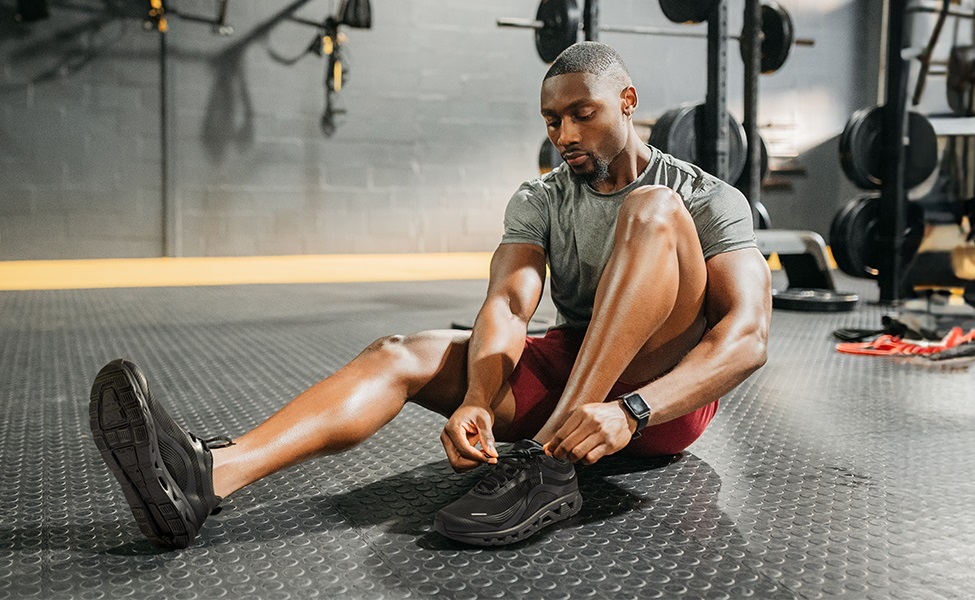
Beginners gym tips. Developing long-lasting habits at the beginning of your fitness journey is more important than exhausting yourself. Aim for a consistent three-day weekly regimen, prioritize learning perfect technique over lifting large objects, and monitor your progress to maintain motivation.Use these fundamental techniques to keep your early workout days stress-free and manageable:
BEGINNERS GYM TIPS
A gym offers a focused, distraction-free setting with access to top-notch equipment and a community created to support the development of long-lasting health habits. It provides focused tools for cardiovascular, strength, and mobility training—all essential for preventing chronic illness, enhancing brain function, and extending your life.
1. BE PROUD;

Prior to delving into the useful gym advice for novices, keep in mind that confidence is the most significant exercise stimulant. You ought to feel pleased of yourself for even coming to the gym, regardless of how much weight you can lift, 100 pounds or one pound! Never be afraid to seek for help or to be intimidated by others.
2. STAY STRONG;
Because stationary bikes and treadmills are user friendly for people of all ages and skill levels, beginners frequently gravitate towards these devices. Try adding at least two days of strength training to your weekly regimen to avoid becoming mired in a cardio rut. In case you’re not in the mood to venture into the weight room, keep in mind that bodyweight exercises can be equally beneficial in terms of enhancing your strength.
3.WORK HARD;

Beginners gym tips
Maybe you’re not working yourself hard enough if, at the end of your workout, you’re not sweating. Aim for a “out of breath” state at least once when working out by mixing in high intensity exercises like burpees, squat leaps, jumping jacks, and sprinting.
4. EAT UP;
Maybe you’re not working yourself hard enough if, at the end of your workout, you’re not sweating. Aim for a “out of breath” state at least once when working out by mixing in high-intensity exercises like burpees, squat leaps, jumping jacks, and sprinting.
5. BE REALISTIC;

Beginners gym tips
You shouldn’t expect to achieve peak strength in a single week because they are long term objective like losing weight, building strength, improving endurance, and enhancing flexibility. Regarding the objectives you set for your self, be reasonable. For instance, try increasing your shoulder press weight by five pounds or cutting ten seconds off your mile time in a month.
Summary
A gym, short for gymnasium, is an indoor or outdoor space set aside for sports, weightlifting, and physical activity. Strength training (free weights, squat racks), cardio (treadmills, stationary bikes), and group fitness sessions are all available in modern gyms.
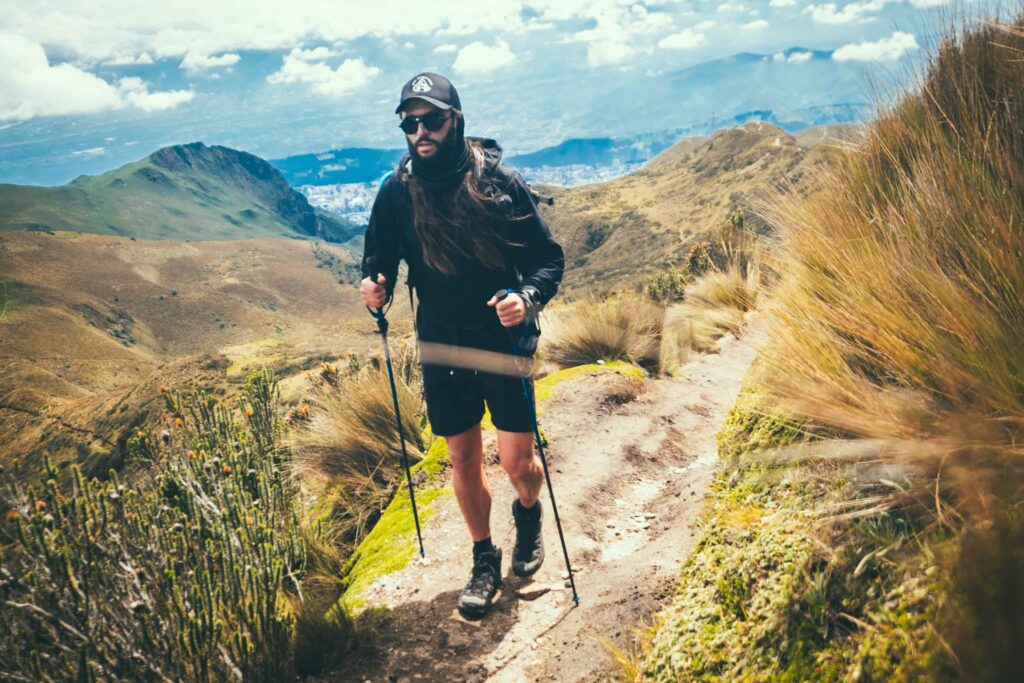
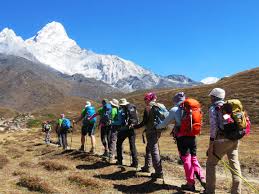
Trekking health impacts. It combines cardiovascular exercise with natural immersion, which has major positive effects on one’s physical, mental, and personal growth. It lowers tension and anxiety while strengthening muscles, increasing endurance, and improving heart health. Additionally, it provides a digital detox for mental clarity, promotes awareness of the environment, and cultivates a connection with nature.
TREKKING HEALTH IMPACTS
Significant health benefits of trekking include greater bone density, weight loss, increased muscle strength (legs, glutes, and core), and improved cardiovascular fitness. Because it lowers stress, anxiety, and depression, it is an effective aid for mental health. Heat exhaustion, altitude sickness, and sprains are among the risks.
1. Overall increased fitness;
Trekking has several advantages, one of which is that it greatly enhances your physical well-being. Your entire body gets a workout when you spend many hours on the path, climbing over boulders, rock hopping, and climbing slopes. This enhances your strength, agility, and cardiovascular fitness.
2. Reduces stress
Going on an active vacation or trekking in the outdoors is a great way to get your head clear of the stress and problems that come with living at home.
3. Increases cardiovascular strength;
Because the heart must work harder to meet the oxygen demands of trekking, regular trekking can improve cardiovascular strength. By increasing blood flow to the brain and muscles, this enhances the health of the respiratory and circulatory systems.
4. Social advantages;
Trekking health impacts
Engaging in trekking with others might result in friendships that last a lifetime. Trekking allows you to spend time with other group members, inspiring and supporting one another to keep going and persist through difficult situations.
5. Softer skill development;
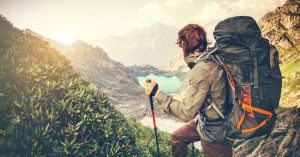
Trekking has advantages for more than only your physical, mental, or social well-being; it may also, and this may surprise you, improve your managerial abilities! As you plan your adventure, you might find yourself establishing goals, organizing your schedule, learning how to adjust to change, building your mental toughness, and setting fitness targets.
6. Inner Cleanse;

Trekking health impacts
While trekking, you’ll consume a lot of water and whole foods, but you’re much less likely to drink coffee or alcohol. A week or more of eating only healthy things has favorable effects on one’s inner wellness. Your skin will feel rejuvenated, you will feel great, and when your body goes natural, you will feel empowered.
7. Cultural comprehension;
in which going to the forest is equivalent to going to the home of wildlife! Among the many delights of a walk are wildlife and bird viewing, which can provide a unique perspective on a destination’s ecosystems.
Summary
Trekking provides a number of mental and physical benefits, including quiet moments for reflection, breathtaking views, and challenging oneself in the great outdoors. Here are some benefits of hiking and athletic vacations.
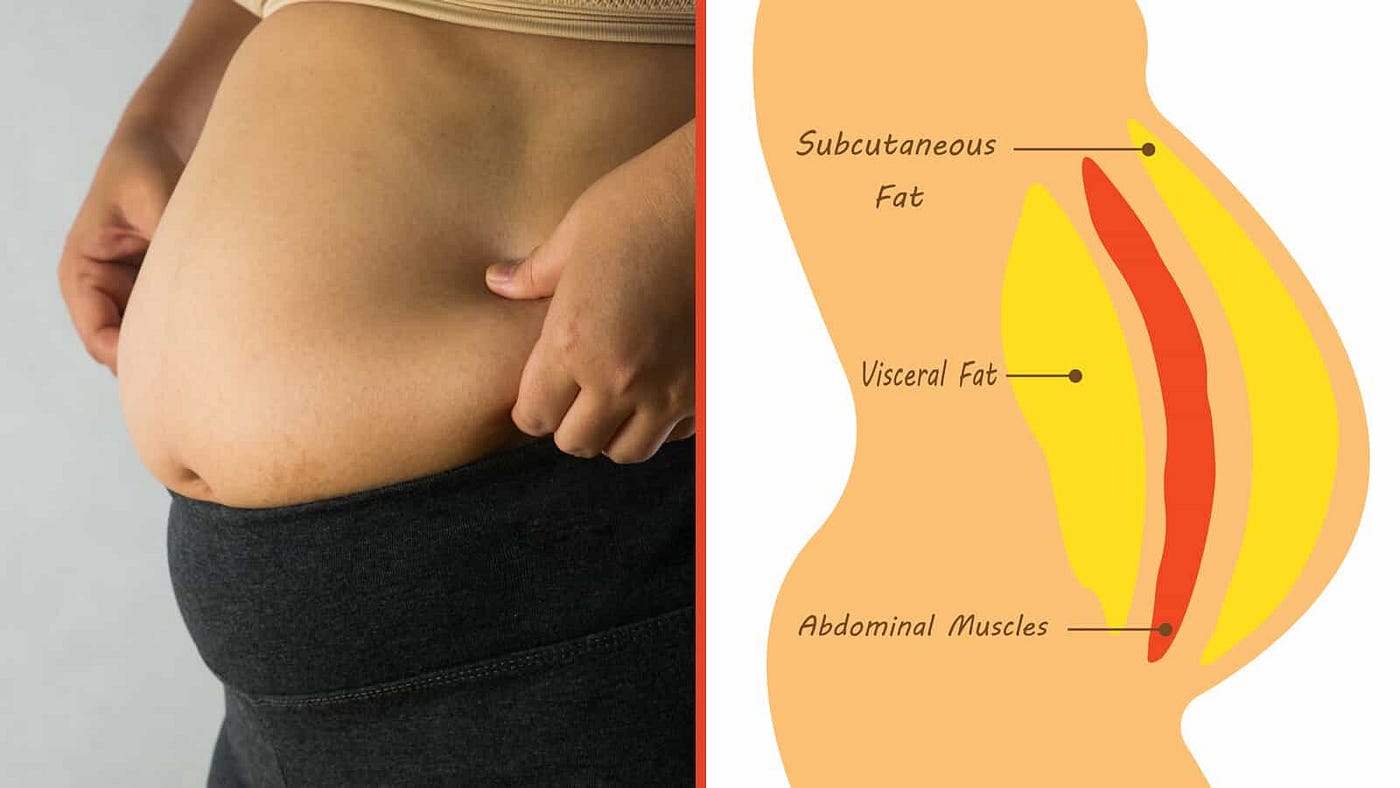
Causes of fat belly. Abdominal obesity, sometimes known as “fat belly,” is the result of excessive visceral fat surrounding internal organs, which is frequently brought on by sedentary lifestyles, high calorie meals, aging, or heredity. Increased risk for conditions like diabetes and heart disease is indicated by a waist circumference of more than 35 inches for women and 40 inches for men.
CAUSES OF BELLY FAT
The main causes of belly fat are a sedentary lifestyle, a high intake of processed foods and sugar, and an energy imbalance—consuming more calories than burnt. High levels of cortisol (stress), hormonal changes (such as decreased estrogen during menopause), smoking, poor sleep, and heredity are important contributing factors.
Types;
Body fat around the abdomen is referred to as belly fat. Two kinds of abdominal fat exist:
1. Also, Visceral: This fat envelops the body’s organs.
2. However, Subcutaneous: This type of fat is found beneath the skin.
Causes
Bad eating habits;

Meanwhile, A person may gain weight and increase their storage of fat if they consume more calories than they burn off over time Therefore, diets that are heavy in foods that are high in calories but low in nutrients can raise a person’s risk of gaining weight and developing belly fat. Not exercising Physical activity
energy out equation;
However, This is the second important component of energy. Lack of exercise is one of the main risk factors for obesity and rising body fat percentages. It can also be more difficult for someone to begin exercising if they are overweight and physically inactive.
The genetics Evidence;
Also, this suggests that a person’s genes may influence their likelihood of developing obesity. Researchers believe genes can affect metabolism, behavior, and the likelihood of obesity.
Not getting enough sleep;
However, Shorter average sleep durations have been associated with higher visceral body fat, according to research. An increase in food intake is associated with short sleep periods, which may contribute to the formation of belly fat.
Smoking;

CAUSES OF BELLY FAT
Also, studies reveal that smokers tend to have larger amounts of visceral abdominal fat than nonsmokers, even when there is an overall tendency toward decreased body fat. How to reduce body fat
Making dietary improvements;
Meanwhile, In addition to helping someone lose weight, a balanced, healthful diet is likely to improve their general well-being.
Cutting back on alcohol intake;

CAUSES OF BELLY FAT
However, Alcohol use can be tracked by someone who wants to reduce excess belly fat. Drinks with alcohol frequently have added sugar, which can cause weight gain.
Summary
Stress, poor diet, and inactivity are just a few of the many factors that contribute to belly obesity. Making dietary changes, increasing physical activity, and implementing other lifestyle changes can all help people lose belly fat.

Earth Frozen Frontiers

Natural Majestic Wonders

Daily Life Hacks

A Step-by-Step Guide to Deleting Reels on Instagram

A Comprehensive Guide to Setting Up a YouTube Premiere