oil
Tips for Homemade Coconut Oil

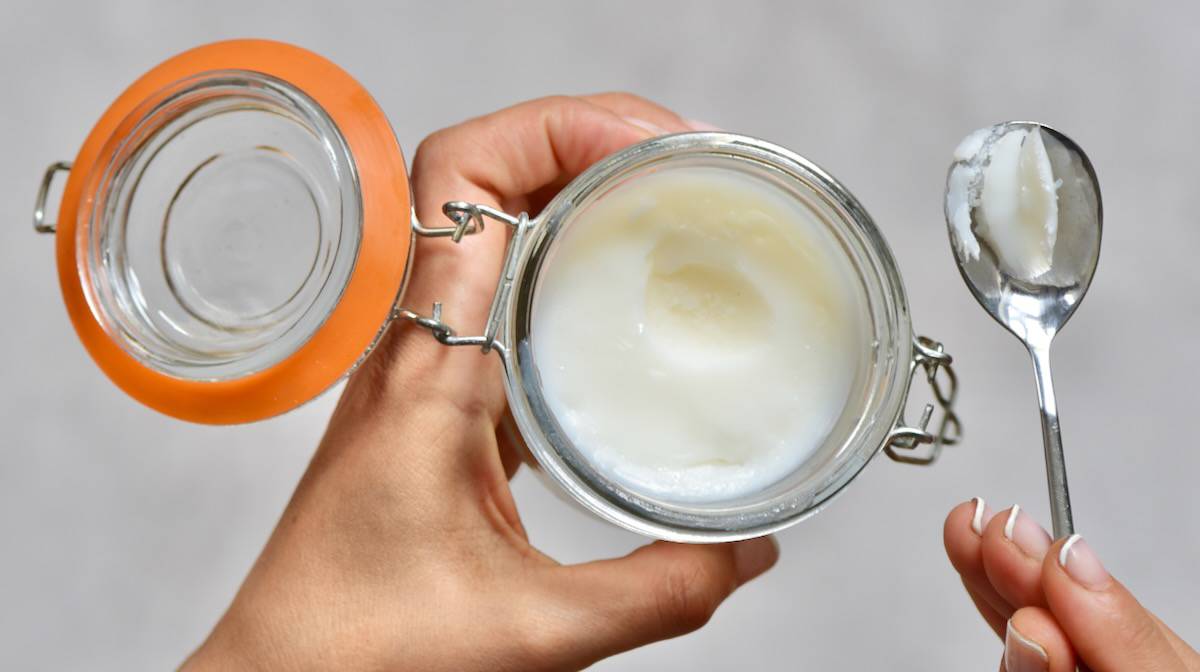
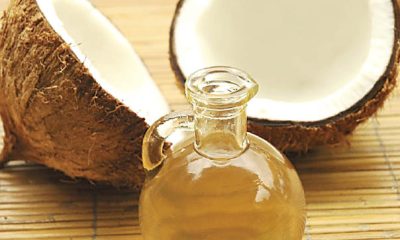
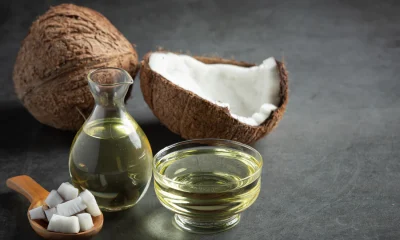
Tips for homemade coconut oil. The best way to make homemade coconut oil is to mix water and mature coconut meat, strain to remove thick milk, then boil over low heat until the oil separates. Use ripe (brown) coconuts for larger yields, let the milk ferment in a cold area for 10 to 24 hours, then use a powerful blender to extract as much cream as possible. Medium-chain fatty acids are abundant in the oil.Many health organizations advise restricting its usage as a food because of its high levels of saturated fat. Because of its unique flavor and high smoke point, coconut oil is frequently used in baking and cooking.
TIPS FOR HOMEMADE COCONUT OIL
The meat of the coconut palm fruit is used to make coconut oil, also known as coconut fat. At temperatures below 25 °C (77 °F), coconut oil is a white solid fat; at higher temperatures, it is a transparent, thin liquid. Unrefined types smell strongly of coconut. In addition to being utilized in food applications, coconut oil is employed in the manufacturing of detergents and cosmetics. Coconut oil, known for its versatile uses and health benefits, can be easily crafted at home. In this guide, we’ll take you through a step-by-step process to make your own pure and natural, homemade coconut oil.
Ingredients:
– Fresh coconuts
– Water
Procedure:
1. Grate the Coconut:

Start by grating the flesh of fresh coconuts. This can be done using a coconut grater or a food processor
2. Extract Coconut Milk:
Once grated, extract coconut milk by adding a bit of water to the grated coconut and squeezing it. Strain the mixture to obtain the coconut milk.
3. Let it Sit:

Allow the coconut milk to sit undisturbed for a few hours. During this time, the oil will naturally separate from the water.
4. Separate the Oil:
Carefully separate the coconut oil from the water. This can be done using a spoon or by gently pouring the mixture, allowing the oil to float to the top.
5. Heat the Oil:

TIPS FOR HOMEMADE COCONUT OIL
To remove any remaining water content, heat the separated coconut oil in a pan on low heat. Stir occasionally until you see the oil becoming clear.
6. Strain and Store:

TIPS FOR HOMEMADE COCONUT OIL
Once heated, strain the oil to remove any impurities. Transfer the clear coconut oil into a clean, dry container for storage.
Summary
Congratulations! You’ve successfully created your homemade coconut oil. Enjoy the satisfaction of using a product crafted with care and free from additives. Experiment with this natural elixir in your cooking, skincare, or haircare routines. Read more health benefits of coconut oil here











Importance of Clove Oil. A powerful and adaptable natural medicine, clove oil can be particularly helpful for dental health. The oil has a number of medicinal advantages, whether you’re seeking for a natural solution to freshen your breath or are coping with a toothache or gum irritation. To prevent irritation or negative effects, it should be used carefully and diluted appropriately due to its potency. As with any natural therapy, it’s crucial to speak with a healthcare provider for an accurate diagnosis and course of treatment if you have ongoing symptoms or health issues
IMPORTANCE OF CLOVE OIL
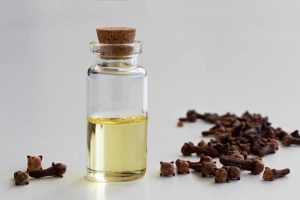
The dried flower buds of the clove tree (Syzygium aromaticum) are used to make clove oil, a potent essential oil. Clove oil has been used for millennia in traditional medicine, especially for oral health, due to its strong analgesic, anti-inflammatory, and antibacterial qualities. Here’s a closer look at the health benefits and safe usage of clove oil.
Benefits;

1. Pain Relief: The most well-known use of clove oil is for relieving toothache pain. The active compound in the oil, eugenol, acts as a natural anesthetic, numbing the affected area and providing temporary relief from pain. This makes the oil a popular home remedy for toothaches, sore gums, and mouth ulcers.
2. Antibacterial Properties: Clove oil has strong antibacterial effects that can help combat infections in the mouth. It can inhibit the growth of bacteria that cause dental issues, such as cavities and gum disease. Using the oil can support overall oral hygiene and help prevent oral infections.
3. Anti-Inflammatory Effects:

In addition to pain relief, clove oil’s anti-inflammatory properties can help reduce swelling and irritation in the gums. This is particularly useful for conditions like gingivitis or inflamed gums due to a toothache.
4. Digestive Aid: the oil is also used to alleviate digestive issues like bloating, indigestion, and nausea. When diluted and consumed properly, it can help soothe the stomach and support digestion.
How to Use Clove Oil;

Importance of Clove Oil
– For Toothaches: Dip a cotton ball or swab into a few drops of the oil and apply it directly to the painful tooth or gums. Let it sit for about 15-20 minutes, then rinse your mouth with warm water. Be careful not to swallow clove oil, as it can be strong and cause irritation.
– For Gum Health: Mix a few drops of the oil with a carrier oil, such as coconut or olive oil, and gently massage it into your gums. This can help reduce inflammation and keep your gums healthy.
– As a Mouthwash: Add 2-3 drops of the oil to a cup of warm water and use it as a mouthwash. This can help freshen your breath, kill bacteria, and soothe minor mouth irritations.
Safety Considerations;
Importance of Clove Oil
While the oil is a powerful natural remedy, it’s important to use it with caution:
– Dilution: the oil is highly concentrated and should always be diluted with a carrier oil (such as coconut or olive oil) before applying it to the skin or gums.
– Sensitivity: Some people may be sensitive to the oil, especially when used in high concentrations. It’s advisable to perform a patch test on a small area of skin before using it more broadly. If you experience any irritation or discomfort, discontinue use.
Summary
Medicine is made from dried flower buds, leaves, stems, and clove oils. Eugenol, a compound found in clove oil, may help reduce pain and combat infections. Another common element in cigarettes is clove.

Clove Oil and Oral Health. A powerful and adaptable natural medicine, clove oil can be particularly helpful for dental health. The oil has a number of medicinal advantages, whether you’re seeking for a natural solution to freshen your breath or are coping with a toothache or gum irritation. To prevent irritation or negative effects, it should be used carefully and diluted appropriately due to its potency. As with any natural therapy, it’s crucial to speak with a healthcare provider for an accurate diagnosis and course of treatment if you have ongoing symptoms or health issues.
CLOVE OIL AND ORAL HEALTH
The dried flower buds of the clove tree (Syzygium aromaticum) are used to extract clove oil, a potent essential oil. Clove oil has been used for centuries in traditional medicine, especially for dental health, due to its strong analgesic, anti-inflammatory, and antibacterial qualities. Here’s a closer look at the health benefits and safe application of clove oil.
Benefits;
1. Pain Relief:

The most well-known use of clove oil is for relieving toothache pain. The active compound in the oil, eugenol, acts as a natural anesthetic, numbing the affected area and providing temporary relief from pain. This makes the oil a popular home remedy for toothaches, sore gums, and mouth ulcers.
2. Antibacterial Properties: Clove oil has strong antibacterial effects that can help combat infections in the mouth. It can inhibit the growth of bacteria that cause dental issues, such as cavities and gum disease. Using the oil can support overall oral hygiene and help prevent oral infections.
3. Anti-Inflammatory Effects: In addition to pain relief, clove oil’s anti-inflammatory properties can help reduce swelling and irritation in the gums. This is particularly useful for conditions like gingivitis or inflamed gums due to a toothache.
4. Digestive Aid:

the oil is also used to alleviate digestive issues like bloating, indigestion, and nausea. When diluted and consumed properly, it can help soothe the stomach and support digestion.
How to Use Clove Oil;
– For Toothaches: Dip a cotton ball or swab into a few drops of the oil and apply it directly to the painful tooth or gums. Let it sit for about 15-20 minutes, then rinse your mouth with warm water. Be careful not to swallow clove oil, as it can be strong and cause irritation.
– For Gum Health: Mix a few drops of the oil with a carrier oil, such as coconut or olive oil, and gently massage it into your gums. This can help reduce inflammation and keep your gums healthy.
– As a Mouthwash:

Clove Oil and Oral Health
Add 2-3 drops of the oil to a cup of warm water and use it as a mouthwash. This can help freshen your breath, kill bacteria, and soothe minor mouth irritations.
Safety Considerations;
While the oil is a powerful natural remedy, it’s important to use it with caution:
– Dilution: the oil is highly concentrated and should always be diluted with a carrier oil (such as coconut or olive oil) before applying it to the skin or gums.
– Sensitivity: Some people may be sensitive to the oil, especially when used in high concentrations. It’s advisable to perform a patch test on a small area of skin before using it more broadly. If you experience any irritation or discomfort, discontinue use.
– Ingestion:

Clove Oil and Oral Health
While the oil can be used for oral health. It should not be swallowed in large amounts as it can cause stomach upset, respiratory issues, or other adverse effects. Always use it in moderation and consult a healthcare professional before ingesting clove oil, especially if you have underlying health conditions or are pregnant.
Summary
Clove oil has been found to be effective against a variety of bacteria, including Streptococcus mutans, which is the primary cause of tooth decay. Clove helps keep your mouth clean and lower your risk of cavities by stopping the formation of harmful germs.

Nutritional Value of Argan Oil. It is a nutrient-rich, adaptable oil with many health and cosmetic advantages. This liquid gold is a great addition to your diet and skincare routine because it protects and moisturizes the skin, nourishes the hair, and supports heart health. A healthier lifestyle, improved well-being, and a more youthful appearance can result from embracing the advantages of argan oil.
NUTRITIONAL VALUE OF ARGAN OIL
Often referred to as “liquid gold,” argan oil is a valuable and adaptable oil made from the kernels of the Moroccan Argan tree (Argania spinosa). For millennia, this oil has been utilized in medicine, cosmetics, and cooking. Rich in vital nutrients, vitamins, and antioxidants, argan’s oil is well known for its numerous health and cosmetic advantages.
Origins and Production;

Argan oil is extracted from the nuts of the Argan tree, which grows almost exclusively in the semi-desert regions of southwestern Morocco. The production process involves several steps:
1. Harvesting: The fruit is harvested and dried in the open air.
2. Kernal Extraction: The outer flesh of the fruit is removed, and the hard nut is cracked open to extract the oil-rich kernels.
3. Cold Pressing:

The kernels are cold-pressed to produce pure argan oil, ensuring that the oil retains its nutritional and cosmetic properties.
The traditional methods of extraction, often performed by women’s cooperatives in Morocco, ensure high-quality oil while supporting the local economy and providing social benefits to the communities involved.
Nutritional Profile;
Argan oil is loaded with beneficial compounds, including:
– Vitamin E: A powerful antioxidant that protects the skin and hair from damage.
– Essential Fatty Acids:

Primarily oleic and linoleic acids, crucial for maintaining healthy skin and hair.
– Polyphenols: Compounds that have anti-inflammatory and antioxidant properties.
– Sterols: Compounds that can help reduce inflammation and improve skin barrier function.
Health and Beauty Benefits;
1. Skin Care: Argan oil is a superior natural moisturizer that is suitable for all skin types. Its high content of vitamin E and essential fatty acids makes it effective in hydrating and softening the skin. The oil helps to improve skin elasticity, reduce the appearance of fine lines and wrinkles, and enhance overall skin tone. Its anti-inflammatory properties can soothe conditions such as eczema, psoriasis, and acne.
2. Hair Care:

Nutritional Value of Argan Oil
Argan oil is widely used in hair care products for its conditioning and strengthening properties. It helps to repair damaged hair, reduce frizz, and add shine. Regular use can prevent split ends and promote healthier, faster hair growth. A few drops massaged into the scalp can also alleviate dandruff and dryness.
3. Anti-Aging: The antioxidants in argan oil help combat the signs of aging by neutralizing free radicals that can damage skin cells. Regular use of argan oil can lead to a more youthful, radiant complexion, reducing the appearance of wrinkles and age spots.
4. Nail and Cuticle Care: Argan oil can strengthen nails and moisturize cuticles, preventing them from becoming dry and brittle. Regular application can lead to healthier, stronger nails and smoother cuticles.
Culinary Uses;

Nutritional Value of Argan Oil
In addition to its beauty benefits, argan’s oil is also used in cooking, particularly in Moroccan cuisine. It has a mild, nutty flavor that makes it a delightful addition to salads, dips, and even as a drizzle over grilled vegetables or fish. Culinary-grade argan oil is packed with antioxidants and essential fatty acids that contribute to heart health and overall wellness.
Summary
Omega 6 and 9 unsaturated fatty acids, as well as vitamin E, are abundant in argan oil. Magnesium and potassium are also abundant in it. Your body’s moisture balance, blood pressure, bones, muscles, and blood vessels all benefit from these minerals.

Earth Frozen Frontiers

Natural Majestic Wonders

Daily Life Hacks

A Step-by-Step Guide to Deleting Reels on Instagram

A Comprehensive Guide to Setting Up a YouTube Premiere