Health
Tips for managing stroke

Tips for managing stroke. Nursing treatment for stroke patients is complex and necessitates an all-encompassing strategy. This covers the social, psychological, and physical facets of healing. through offering thorough evaluation, care, instruction, and assistance. Nurses are essential in promoting healing. and improving the general health and quality of life of stroke sufferers through rehabilitation.
TIPS FOR MANAGING STROKE
It takes expertise, tolerance, and compassion to care for stroke victims. A cerebrovascular accident (CVA), commonly referred to as a stroke, is a medical emergency that happens when blood flow to the brain is cut off. This leads to neurological deficiencies and brain damage. The goals of nursing care for stroke patients are to support their physical and emotional needs, encourage rehabilitation, and prevent complications. as well as social welfare. The following are crucial elements of stroke victims’ nursing care:
Assessment and Monitoring:
1. Neurological Assessment:
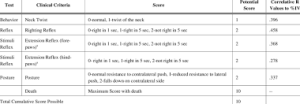

Regular neurological assessments are crucial for monitoring the patient’s level of consciousness, vital signs, pupil size and reactivity, motor strength, sensation, coordination, and speech/language function.
2. Vital Signs Monitoring: Monitoring vital signs, including blood pressure, heart rate, respiratory rate, temperature, and oxygen saturation, helps detect any changes that may indicate complications or ongoing stroke symptoms.
3. Fluid and Electrolyte Balance:
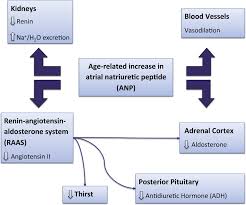

Monitoring fluid intake, output, and electrolyte levels helps maintain hydration and electrolyte balance, particularly in patients with dysphagia or impaired swallowing function.
4. Skin Integrity: Assessing the patient’s skin for signs of pressure ulcers, particularly in immobile or bedridden patients, and implementing preventive measures such as repositioning, skincare, and pressure relief devices.
Mobility and Rehabilitation:
1. Early Mobilization:
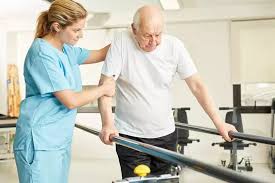

Encouraging early mobilization and rehabilitation as soon as the patient’s condition. Is stable helps prevent complications such as muscle weakness, contractures, and venous thromboembolism (VTE).
2. Physical Therapy: Collaborating with physical therapists to develop individualized exercise programs to improve mobility, strength, balance, and coordination.
3. Occupational Therapy: Working with occupational therapists to facilitate activities of daily living (ADLs), such as feeding. Dressing, grooming, and toileting, and providing adaptive equipment or assistive devices as needed.
4. Speech Therapy:


Tips for managing stroke
Collaborating with speech-language pathologists to assess and address communication difficulties, swallowing disorders (dysphagia), and cognitive impairments.
5. Fall Prevention: Implementing fall prevention strategies, such as providing assistive devices (e.g., grab bars, bed rails, walkers), maintaining a safe environment, and supervising ambulation and transfers.
Nutrition and Hydration:
1. Dysphagia Management: Assessing swallowing function and implementing dysphagia precautions, such as modified food and fluid consistency, positioning techniques, and swallow exercises.
2. Nutritional Support:


Tips for managing stroke
Monitoring the patient’s nutritional status, providing adequate nutrition and hydration, and collaborating with dietitians to develop individualized meal plans or enteral feeding strategies as needed.
Medication Management:
1. Thrombolytic Therapy: Administering thrombolytic medications (e.g., alteplase) within the therapeutic window for eligible patients with acute ischemic stroke to dissolve blood clots and restore blood flow to the brain.
2. Anticoagulant and antiplatelet therapy: Administering anticoagulant medications (e.g., heparin, warfarin) or antiplatelet agents (e.g., aspirin, clopidogrel) to prevent the formation of blood clots and reduce the risk of recurrent stroke.
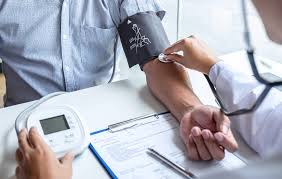
3. Blood Pressure Management:

Tips for managing stroke
Monitoring blood pressure closely and administering antihypertensive medications as needed to maintain optimal blood pressure levels and reduce the risk of stroke recurrence.
4. Pain Management: Assessing and managing pain related to stroke, such as headaches, muscle stiffness, or neuropathic pain, using appropriate pain management techniques and medications.
Summary
Early, regular rehabilitation (physical, occupational, and speech therapy), rigorous adherence to blood pressure and cholesterol medications, and emotional support for depression are all important aspects of stroke management. To prevent secondary strokes, put safety first at home, eat well, give up smoking, and exercise under supervision.