Finance
Tips for Personal Financial Planning



Tips for personal financial planning. The ongoing process of managing your financial affairs to accomplish life goals and guarantee long-term financial security is known as personal financial planning. It is a customized road map that entails evaluating your existing circumstances, establishing goals, and creating plans for earnings, outlays, savings, investments, and insurance.
TIPS FOR PERSONAL FINANCIAL PLANNING
Understanding your current circumstances, establishing specific goals, putting a plan into action, and routinely revisiting it are all part of the cyclical process of effective personal financial planning. Personal financial planning. Everything is determined by your wage, cost of living daily needs and wants, as well as devising a strategy to meet those requirements within your financial constraints.
Meaning of personal financial planning?
Personal financial planning refers to how you manage your money, savings, expenses, and investments. It includes planning, banking, insurance, finances, emergencies, retirement benefits, and family support.
Importance;


1. Improved Standard of Living A financial plan can boost your standard of living by reducing taxes, making prudent investments, controlling costs, and building wealth.
2. You are prepared for emergencies. A strong financial plan contains an emergency fund to protect against unexpected catastrophes such as accidents, loss of income, or family problems.
More Importance;


tips for personal financial planning
3. You increase your wealth. To maintain your standard of living, your income and savings must stay pace. Contingencies are important since variables such as income and savings might shift.
4. You Secure Your Retirement. A financial plan protects your retirement by preparing for rising healthcare expenditures and maintaining a comfortable lifestyle in your golden years.
5. You make the most of your earnings. The first step in developing a financial plan is to create and stick to a budget. Areas of Personal Finance
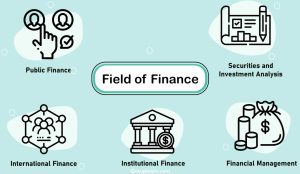
Areas of Finance;

tips for personal financial planning
1. Income: Income is the starting point for personal finances.
It is the total amount of cash inflow that you receive and can use for expenses, savings, investments, and protection. Income is the total amount of money you bring in.
2. Spending: Spending is an outflow of cash and is usually where the majority of income goes. Spending is defined as anything that an individual purchases with their income.


tips for personal financial planning
3. Savings: this refers to the income left over after spending. Everyone should aspire to have enough money to meet major bills or emergencies.
4. Investing: Investing is the process of purchasing assets, typically stocks and bonds, to obtain a return on one’s investment.
Summary
The thorough process of managing your present income, expenses, and investments in order to accomplish your long-term financial security and future life goals is known as financial planning. It is a continuous process that adjusts to changes in your life and offers a road map for making wise financial decisions.