Exercise
Tips for Pushups

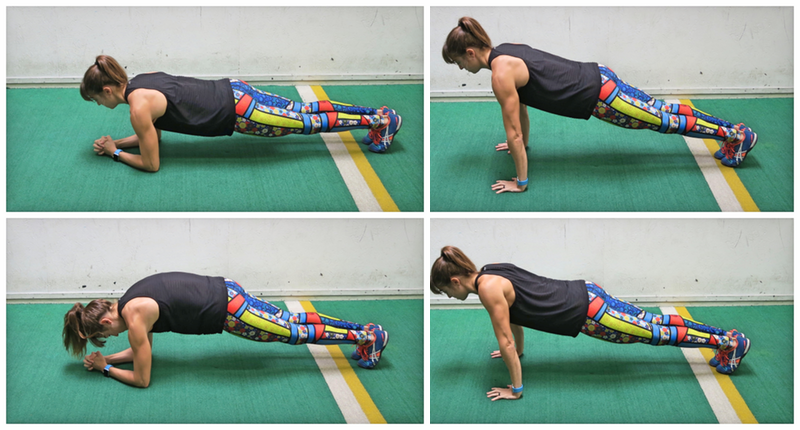
Tips for pushups. Simply put, push-ups are bodyweight exercises. But believe us, being able to rep out five, ten, fifteen, or more is the most humble thing there is. Unfortunately, it’s not as simple as it seems, and if the name “push ups” makes you think of gym class in high school, you’re not alone. However, it’s time to change your perspective.
There is more to this bodyweight classic than meets the eye. While learning the push-up has numerous health advantages, they are also the best pec builder, even surpassing the bench press in this regard.
TIPS FOR PUSHUPS
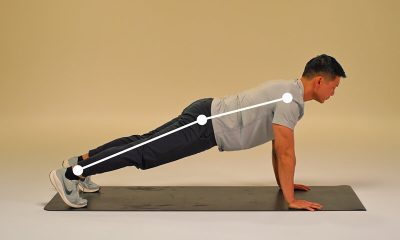
Hold your hands slightly wider than shoulder-width, keep your elbows at a 45-degree angle, and maintain a straight line from head to toe with a strong core and engaged glutes to improve your push-ups. Push yourself back up to the beginning position after lowering your chest toward the floor without lowering your head. Before advancing to full push-ups, beginners should first develop strength with appropriate form using variations like knee push-ups or slope push-ups.
Preparation and Setup
1. Find a Suitable Surface:

TIPS FOR PUSHUPS
• Choose a flat, stable surface, such as a mat or floor, to perform your pushups.
2. Warm Up:
• Perform a light warm-up to prepare your muscles and joints. Consider doing dynamic stretches or light cardio for 5-10 minutes.
Starting Position
1. Hands and Feet Placement:
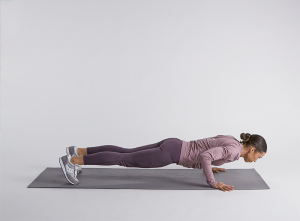
– Place your hands slightly wider than shoulder-width apart on the floor.
– Your fingers should be pointing forward, and your wrists aligned under your shoulders.
– Extend your legs straight back, with your feet together or slightly apart for stability.
– Your body should form a straight line from your head to your heels, avoiding any sagging or arching of the back.
2. Engage Core Muscles:
TIPS FOR PUSHUPS
– Tighten your core muscles to keep your body rigid.
– Maintain a neutral neck position by looking slightly ahead of you, not down.
Performing the Pushups
1. Lowering Phase:
– Inhale as you begin to lower your body.
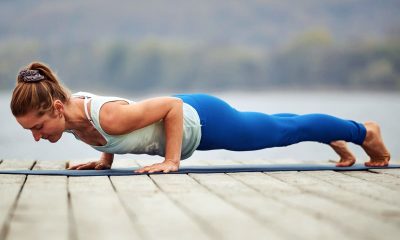
– Bend your elbows and keep them at a 45-degree angle to your body, not flaring out to the sides.
– Lower your chest towards the floor, keeping your body in a straight line.
– Aim to bring your chest just above the floor, with your elbows at about a 90-degree angle.
2. Pushing Up Phase:
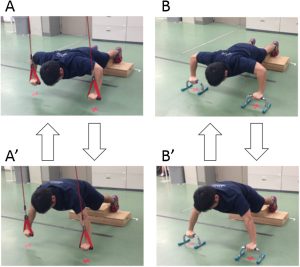
TIPS FOR PUSHUPS
– Exhale as you push through your hands to straighten your arms and return to the starting position.
– Keep your core engaged and maintain the straight line from head to heels throughout the movement.
– Avoid locking your elbows at the top of the movement.
Tips for Proper Form
– Breathing: Inhale on the way down and exhale on the way up to ensure proper oxygen flow and core engagement.
– Controlled Movement: Perform the movement slowly and with control to maximize muscle engagement and prevent injury.
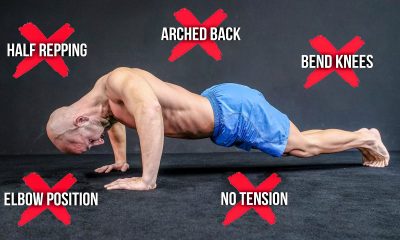
– Body Alignment: Keep your body in a straight line, avoiding any sagging of the hips or arching of the back.
– Elbow Position: Keep your elbows at a 45-degree angle to your body to protect your shoulder joints.
Modifications and Variations of pushups
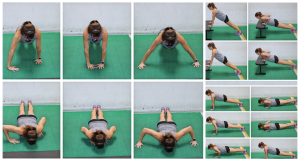
– If standard pushups are too challenging, start with knee pushups.
– Begin in the same position but lower your knees to the ground while keeping your body straight from head to knees.
– Perform the pushup movement as described.
2. Incline Pushups:
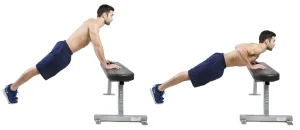
– Perform pushups with your hands on an elevated surface, such as a bench or step.
– This reduces the amount of body weight you need to lift, making it easier.
Summary
A bodyweight exercise that targets your triceps and pectoral muscles is the pushup. Wall pushups, seated pushups, kneeling pushups, and incline pushups are some versions of the pushup that are suitable for beginners.






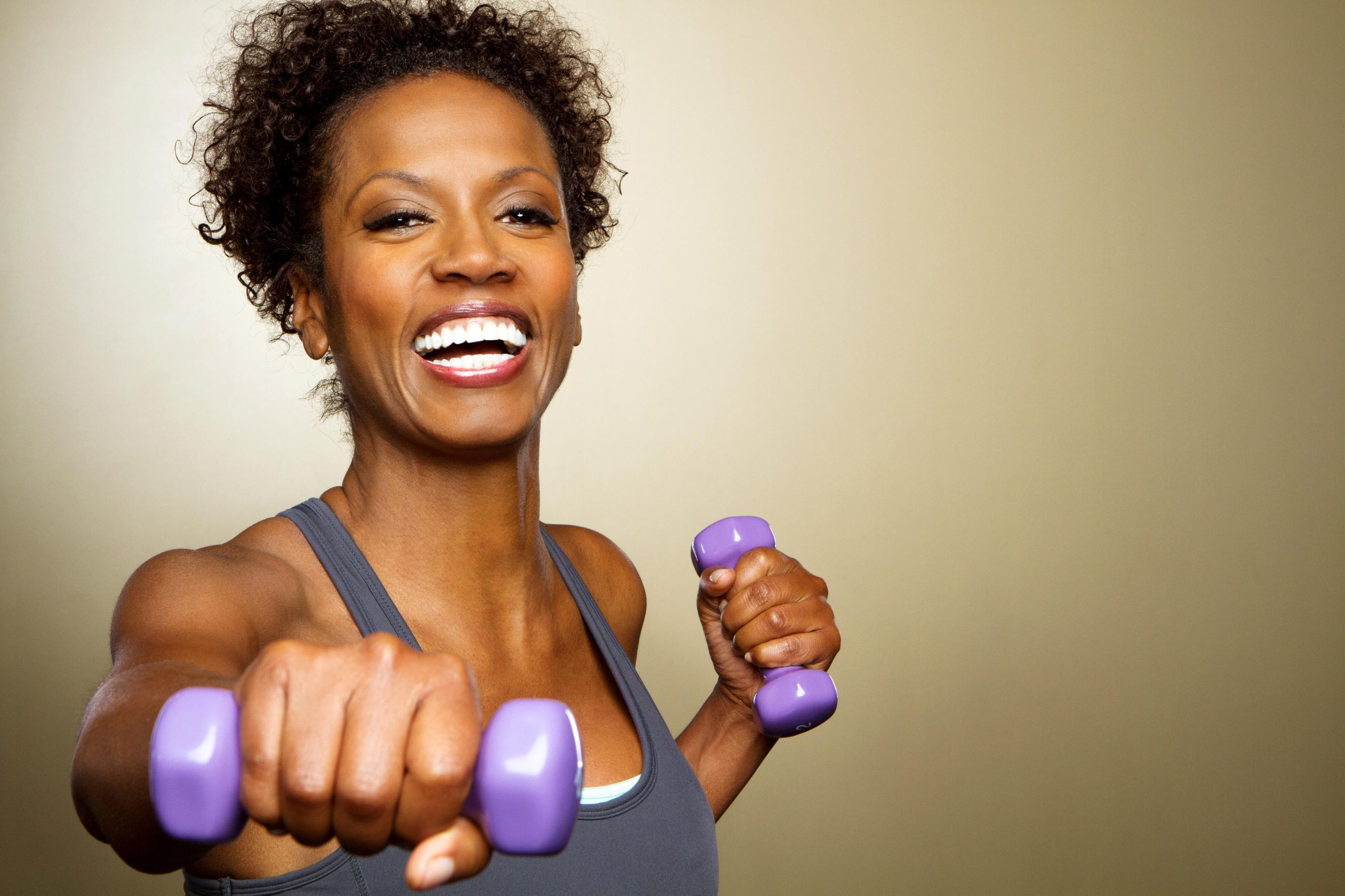
The Benefits of Exercising. Do you want to feel better, have more energy, and live a longer life? Just work out. The health benefits of regular exercise and physical activity are hard to ignore. Everyone benefits from exercise, regardless of age, gender, or degree of physical ability. Do you require more convincing to make a move? Check out these seven potential benefits of exercising for your health and happiness.
THE BENEFITS OF EXERCISING
Exercise is engaging in physical exercise to strengthen and maintain the health of your body. It comprises exercises that maintain the health of your heart, muscles, and joints, such as yoga, weightlifting, jogging, and walking.
1. Exercise controls weight
Exercise might help you maintain your weight loss or assist you avoid gaining too much weight. Engaging in physical activity causes your body to burn calories. Your burning of calories increases with the intensity of the activity.
2. Combats health conditions and diseases
Are you concerned about heart disease? Wishing to avoid elevated blood pressure? Regardless of your present weight, exercising raises “good” cholesterol, or high-density lipoprotein (HDL), and lowers bad cholesterol, or triglycerides. This combination reduces your chance of cardiovascular diseases, which are disorders of the heart and blood vessels. It also keeps your blood flowing normally.
3. Improves mood
The Benefits of Exercising
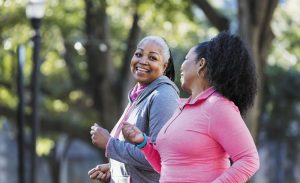
In need of some emotional support? or require stress relief following a demanding day? A vigorous stroll or going to the gym can assist. Numerous brain chemicals are stimulated when you exercise, which may make you feel happier, more at ease, and less nervous.
4. Boosts energy
Feeling exhausted from your grocery shopping or housework? Frequent exercise helps increase endurance and strengthen your muscles. Exercise helps your cardiovascular system function more effectively and delivers oxygen and nutrients to your tissues. Additionally, when your lung and heart health improves, you will have more energy to complete everyday tasks.
5. Promotes better sleep

The Benefits of Exercising
Having trouble sleeping? Frequent exercise can improve your sleep quality, lengthen your sleep duration, and help you fall asleep more quickly. However, avoid exercising right before bed as you can be too energized to fall asleep.
6. Puts the spark back into your sex life
Do you think you’re too worn out or unfit to enjoy close physical contact? Frequent exercise can help you feel more confident about your physical appearance and have more energy, which can enhance your sex life.
7. Fun and social

Recreation and physical activity can be enjoyable. They allow you to relax, take in the scenery, or just do things that bring you delight. In a fun social context, physical activity can also strengthen your bonds with family and friends. major factor
Summary
Frequent exercise reduces the risk of chronic illnesses, enhances mental health, and improves physical health. Exercise improves everyday energy levels, strengthens bones and muscles, and aids in weight management.

Tips for Hiking. It is one of the best activities in the vast outdoors. The country’s more than 400 national parks offer a variety of hiking choices. Whether you are hiking alone or in a group, be sure to follow the written and unwritten rules of the path. Appropriate hiking behavior promotes respect for other route users and environmental management. The “golden rule,” which argues that you should treat people as you would like to be treated, is the finest advise for hiking.
TIPS FOR HIKING
Walking on natural routes, trails, or unpaved tracks in the countryside or woods is known as hiking. While long-distance or backpacking journeys need several days, day hikes only last a few hours. It lessens stress, increases strength, and enhances heart health.
This is an outdoor recreational activity that involves walking through natural settings. Additionally, it is a type of physical activity and exercise that enhances well-being and health.
Hiking Code Edition;

1. Recognize your rights. Make sure you follow the proper right-of-way yields and consult the trail’s signage before trekking. These are the main rules for yielding on trails; signs may differ depending on the park.
2. Introduce yourself. Give a kind “hello” or a straightforward head nod to other walkers and trail users that you come across. This contributes to the pleasant vibe along the trail. When approaching a fellow hiker from behind, make sure to declare your presence in a composed and kind manner and inform them of your intention to pass.
3. Remain on the path. When surrendering, don’t stray off the path unless it is necessary. Going off route might harm the surrounding ecosystems and cause the extinction of some plant and animal species.

Tips for Hiking
4. Avoid upsetting the wildlife. You need your space, and they need theirs. When you come across wildlife, keep your distance from it.
5. Give listening some time. When trekking in the vast outdoors, allow the natural world to speak for itself.
Summary
Starting on simple routes, packing extra water, wearing comfortable trail runners, and informing someone of your schedule before setting out are all crucial hiking advice.
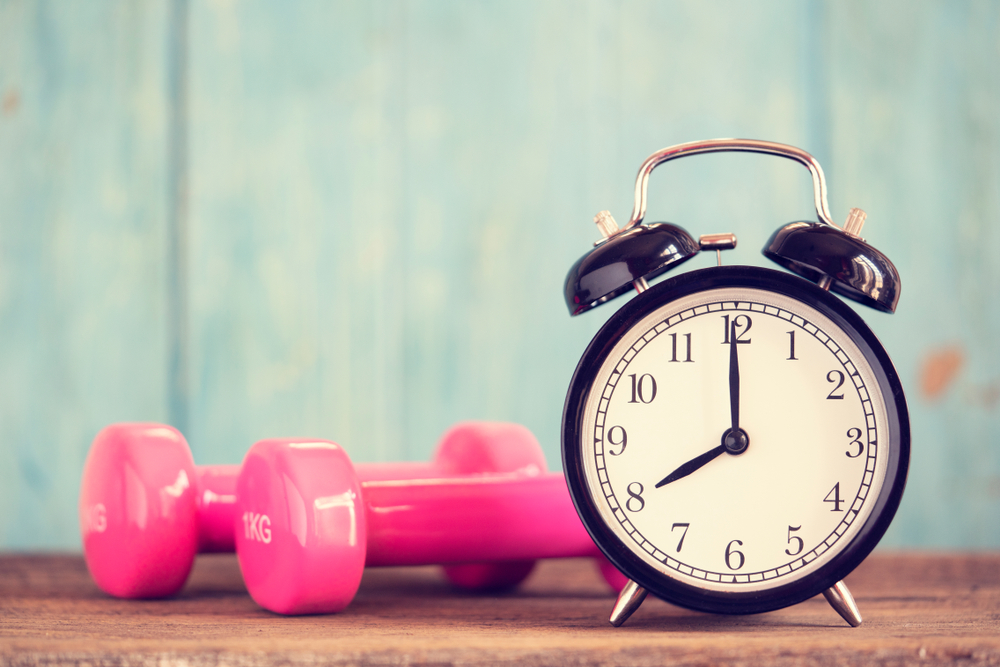
Work Out Time. Our busy schedules may make it difficult to find time for exercise. It can be difficult to find time to squeeze working out in between a hard job, a social life, and binge-watching the newest Netflix marathon, even though we know that it is crucial for our health and wellbeing. However, knowing that coming to the gym at particular times will help us fully achieve our fitness goals might lighten our already hectic schedules.
WORK OUT TIME
Subtract your start time from your end time to determine the precise length of your workout. Use specialized tools, such as the Calculator Soup Hours Calculator, to automatically calculate totals, subtract breaks, and format your timesheets for more complicated schedules.
Best Time for work out;

Morning physical activity: “Exercising in the morning can help boost your metabolism and energy levels throughout the day and be a great way to establish. Workouts in the afternoon: “Doing an afternoon workout can help relieve stress after a long day.” “Plus, body temperature and muscle flexibility tend to peak in the late afternoon making it a good time for more intense workouts.” Exercise in the evening: Exercising in the evening can help you relax and release tension from the day.
Types;
1. Cardiovascular Work You’re breathing and heart rate will increase during aerobic activity, which is beneficial for numerous bodily processes. It improves endurance and works your heart and lungs.
Work Out Time
2. Strength exercises We lose muscle mass as we age. It is rebuilt through strength training. Regular strength training will help you feel more confident and capable of daily tasks like carrying groceries, gardening, and lifting heavier objects around the house.
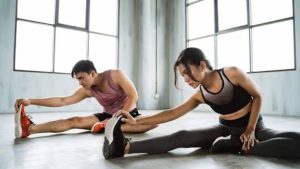
3. Extending Maintaining flexibility can be achieved through stretching. We frequently forget that when we are younger our muscles are healthier. However, the aging process causes the muscles and tendons to become less flexible.

Work Out Time
4. exercises for balance You feel more stable on your feet and can avoid falls if you can improve your balance. It becomes increasingly crucial as we age because our vision,
Summary
“Work out” can signify a few different things. It could be exercising, figuring out a math issue, fixing a problem, or seeing a plan through to completion.

Torchlight Selection

Best Practices for Face Exfoliation

Chemical Face Exfoliation

A Step-by-Step Guide to Deleting Reels on Instagram

A Comprehensive Guide to Setting Up a YouTube Premiere