Camera
Tips for using Point and Shoot Cameras

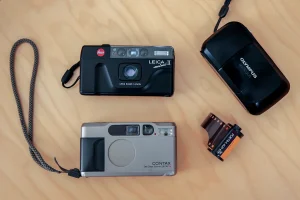

Tips for using point and shoot cameras. Point-and-shoot camera images can be improved by using natural light wherever possible, stabilizing the camera to reduce blur, and knowing how to utilize your flash (use it in low light, avoid it in bright daylight). Other pointers include reading your camera’s handbook to become familiar with its features, playing with different perspectives, utilizing optical zoom instead of digital zoom, and holding the shutter button halfway to lock focus.
TIPS FOR USING POINT AND SHOOT CAMERAS
Using a compact point-and-shoot camera can be straightforward, but there are common mistakes that users often make. Avoiding these pitfalls can help you get the most out of your camera and capture better photos. Here are six mistakes to avoid when using compact point-and-shoot cameras:
1. Ignoring Composition:
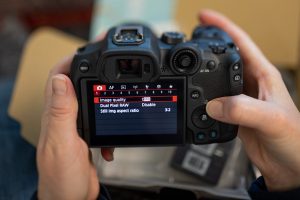

One of the most common mistakes is neglecting composition. Even with a compact camera, paying attention to composition principles like the rule of thirds, leading lines, and framing can significantly improve the quality of your photos. Take a moment to consider the framing and arrangement of elements within your frame before pressing the shutter button.
2. Not Adjusting Settings:
Compact cameras often have automatic modes that adjust settings like aperture, shutter speed, and ISO automatically. While convenient, relying solely on these modes can limit your creative control and result in suboptimal settings for certain situations. Take the time to explore the manual settings of your camera and learn how to adjust them to suit different lighting conditions and subjects.
3. Using Digital Zoom:

Tips for using point and shoot cameras
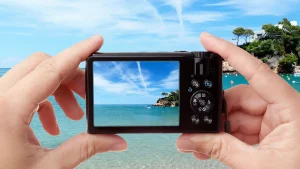
Compact cameras often come with digital zoom capabilities, which can extend the reach of your lens. However, digital zoom degrades image quality by interpolating pixels, resulting in loss of detail and increased noise. Instead of relying on digital zoom, try to get closer to your subject whenever possible or invest in a camera with optical zoom for better results.
4. Ignoring Lighting Conditions:


Tips for using point and shoot cameras
Lighting plays a crucial role in photography, and compact cameras can struggle in low-light situations. Avoid shooting in harsh midday sunlight or poorly lit environments without considering the impact on your photos. Experiment with different lighting conditions and learn how to use features like exposure compensation to adjust the brightness of your images.
7. Not Utilizing Image Stabilization:
Many compact cameras come with built-in image stabilization technology to reduce camera shake and blur, especially in low-light conditions or when using longer zoom lengths. However, some users may forget to activate this feature or may not realize its importance. Make sure to enable image stabilization when shooting handheld to ensure sharper images, particularly in situations where camera shake is more likely, such as when using slower shutter speeds or shooting at longer focal lengths.
8. Neglecting to Clean the Lens:

Tips for using point and shoot cameras
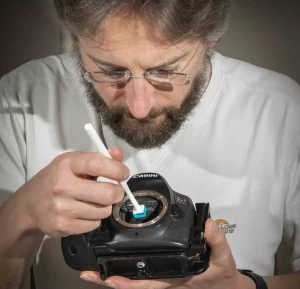
Compact cameras are often carried around in pockets, bags, or purses, which can expose the lens to dust, fingerprints, and smudges. These contaminants can degrade image quality by causing glare, flare, or softness in photos. To avoid this, regularly clean the lens with a soft microfiber cloth to remove any dirt or smudges. Additionally, consider using a lens cap or protective filter to shield the lens when not in use.
Summary
You can optimize your small point-and-shoot camera’s capabilities and make sure you’re always prepared to confidently and easily capture special moments by avoiding these extra blunders and exercising proactive control over your camera’s settings, upkeep, and accessories.