Reading
Tips to Overcome Reading Challenges


Tips to overcome reading challenges. One of the most crucial skills sets that kids acquire during their first few years of education is literacy. For this reason, it is essential to start teaching fluency skills to struggling readers as soon as a learning disability is identified. The majority of kids start by learning to identify common vocabulary through books and classroom resources and by sounding out words.
TIPS TO OVERCOME READING CHALLENGES
Fluency increases with sight reading and increased spelling practice. As vocabulary increases exponentially, Reading then speeds up and it becomes easy to understand increasingly complicated texts. But not every student finds that learning to read is so simple. As a result of rapidly falling behind their friends, struggling readers may experience low self-esteem and a lack of confidence.
1. Record kids’ reading independently aloud

Teachers will benefit from hearing the child read aloud if specific word or sound-letter combinations are giving them trouble. However, especially for a student who has trouble with fluency, this practice can be very stressful when done in front of a class of children. It is preferable to let struggling readers finish a paragraph on their own during group reading rather than calling on them.
2. Request that children use a window or a ruler
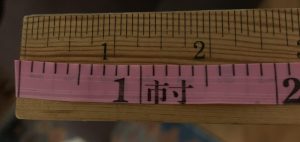
When students don’t lose their place while reading a page, decoding becomes simpler. How each student approaches this is up to them. To assist them keep focused on the words in front of them, some people might wish to use a pen or pencil, while others might want to use a piece of paper or a moving ruler. A helpful tool that blocks out the text before and after the sentence the pupil is reading is a reading window.
3. Repeatedly read the same material

Repeated exposure to the same text is beneficial when trying to improve fluency. As students experience improved fluency as a result of repeated exposure to words and phrases, each reading gets easier and their motivation increases. Because readers have more opportunities to detect contextual clues, it can also aid in the development of comprehension skills.
4. Teach vocabulary beforehand

Students can practice reading words alone or in phrases by priming them for the terms they will encounter in a text. This could be accomplished through an interactive classroom exercise. After having the kids use the terms, have them try reading them aloud or on paper. Playing a spelling game or solving crossword puzzles can be a useful training tool.
5. Practice sight words
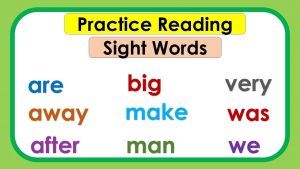
Certain terms are more common than others, and students who struggle with fluency will discover that reading a text is lot easier if they know 90% of the vocabulary.
6. Experiment with fonts and text sizes
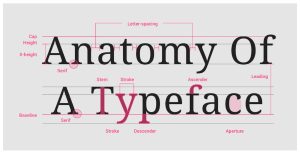
It can occasionally be easier to read larger type or text printed on color-tinted paper if a visual impairment is contributing to part of the difficulties. Certain typefaces are more suited for people with learning disabilities like dyslexia; they aid in letter recognition and language decoding.
Summary
Writing and reading are fundamental abilities, and when fluency is not innate, strategy training tailored to each student’s needs is critical to giving beginning readers the self-assurance they need to succeed in school. It takes time to make progress, regardless of the intervention. For this reason, it is necessary to outline a course of action and establish realistic objectives in order to improve fluency over time.








Bookworm Benefits. Knowledge has become the new currency of success in an era of abundant information. However, in the midst of the digital noise and distractions, the ability to be a bookworm seems to be disappearing. As Simon Sinek once said, “Leaders are readers,” highlighting the important impact that a love of reading and lifelong learning can have on both professional and personal development.
BOOKWORM BENEFITS
A bookworm increases vocabulary, develops empathy, reduces stress by up to 68%, and enhances brain function. Frequent reading improves concentration, fortifies memory, and guards against cognitive deterioration as one ages.
Book’s Power;

Books are windows into other worlds, concepts, and viewpoints. They offer insights that have the power to change our behavior and way of thinking because they are compiled with the wisdom of generations.
Relevance;
1. Mental Acrobatics Understanding the words written on a page is not the only aspect of reading. Making connections between the dots or attempting to predict the next narrative twist will help you improve your cognitive and critical thinking abilities.
2. The Extension of Empathy Bookworms can see into unusual experiences and emotional states through reading, just like they can through any doorway to a magical world.
3. stress reduction. Reading is not only good for your brain and soul, but it’s also a way to reduce your stress and anxiety!

Bookworm Benefits
4. Sleeping Sanctuary. Having a bedtime reading ritual is as important as your skincare routine. Reading before you go to sleep is like giving yourself the perfect break from everyday troubles, thus improving your quality of sleep exponentially.
5. The Vocabulary Vault
The best way to increase your vocabulary and become fluent in a foreign language is to read. The ideal environment for a bookworm is Words with Friends and Scrabble nights.

Bookworm Benefits
6. Interaction with Others Although some of our most treasured pals will always be our favorite characters, nothing compares to having a genuine conversation with your literary bestie. Any group can bond through shared reading interests or through reading the same books.
Summary
A bookworm is a person who reads a lot or an insect larva that consumes paper and book bindings. The phrase also alludes to PopCap Games’ iconic word puzzle video game.
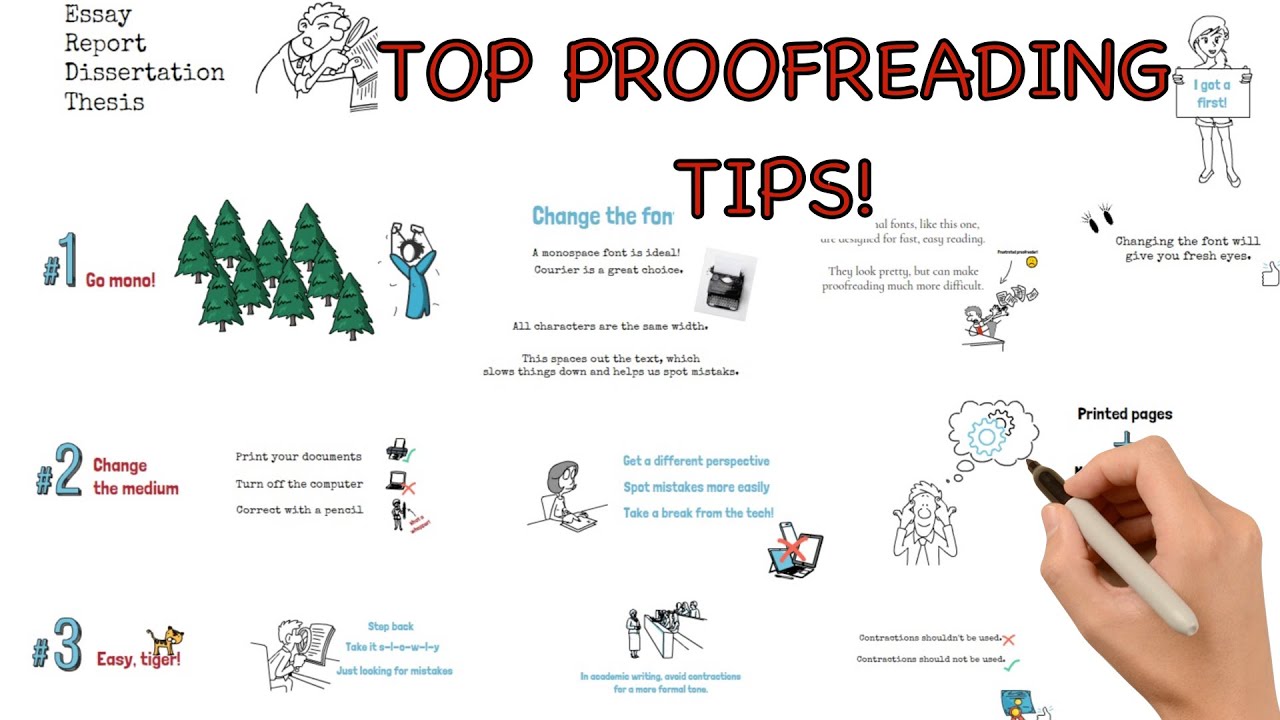
Tips for succeessful proofreading. In the field of writing and publishing, proofreading is an essential talent. A good proofreader has an excellent command of language and punctuation, a sharp eye for detail, and the capacity to carefully check written material for mistakes. This tutorial will provide you the necessary steps to become a great proofreader, regardless of whether you want to start a career as a professional proofreader or hone your proofreading abilities for personal projects.
TIPS FOR SUCCESSFUL PROOFREADING
Successful proofreading demands perseverance, practice, and a desire to lifelong learning and development. You can become an expert proofreader and start a fulfilling career in writing and publishing by honing your language abilities, practicing frequently, becoming familiar with style guides, utilizing tools and resources, and creating a portfolio.
1. Develop Strong Language Skills;

A successful proofreader must have a strong command of the language they are proofreading. This includes a solid understanding of grammar, punctuation, spelling, and style conventions. Invest time in studying grammar rules, reading widely, and expanding your vocabulary to enhance your language skills.
2. Practice Regularly;
Like any skill, Proofreading improves with practice. Set aside dedicated time to practice proofreading various types of content, such as articles, essays, reports, and marketing materials. Start with shorter pieces and gradually work your way up to longer, more complex documents.
3. Familiarize Yourself with Style Guides;

Different publications and organizations follow specific style guides, such as the Associated Press (AP) Stylebook or the Chicago Manual of Style. Familiarize yourself with these style guides and their rules to ensure consistency and accuracy in your proofreading work.
4. Use Tools and Resources;
Take advantage of proofreading tools and resources to streamline your workflow and catch errors more efficiently. Grammar checking software, spell checkers, and online style guides can help you identify and correct common mistakes. However, remember that these tools are aids and should not replace manual proofreading.
5. Develop Attention to Detail;

Successful proofreaders have a meticulous attention to detail and can spot even the smallest errors in written content. Train yourself to review text word by word, line by line, and pay close attention to spelling, punctuation, formatting, and overall coherence.
6. Learn to Edit and Provide Constructive Feedback;
In addition to spotting errors, a successful proofreader should also be able to edit content for clarity, coherence, and consistency. Learn how to provide constructive feedback to writers, suggesting revisions and improvements to enhance the quality of the content.
7. Build a Portfolio;
Tips for successful proofreading
As you gain experience and confidence in your proofreading skills, start building a portfolio of your work. Include samples of documents you have proofread, along with any testimonials or recommendations from satisfied clients or employers. A strong portfolio will showcase your abilities and help you attract new clients or employment opportunities.
8. Network and Seek Feedback;
Networking with other professionals in the writing and publishing industry can open doors to new opportunities and provide valuable feedback on your work. Join online forums, attend industry events, and participate in networking groups to connect with fellow proofreaders and potential clients.
9. Stay Updated;

Tips for successful proofreading
The writing and publishing industry is constantly evolving, with new technologies, trends, and style conventions emerging regularly. Stay updated on industry news, developments in language usage, and changes to style guides to ensure your skills remain relevant and up-to-date.
Summary
The last step in polishing your writing is proofreading, which focuses on identifying typos, formatting problems, and grammatical errors. Make sure your writing is perfect by keeping proofreading and writing/editing distinct, letting your manuscript sit for a day, and reading the text aloud to identify any missing words.

Tips for successful proofreading. It takes skill, perseverance, and a devotion to ongoing development to become a professional proofreader. You can become a reputable and sought-after proofreader by honing your language skills, paying close attention to detail, becoming familiar with style guides, becoming proficient with proofreading tools, practicing frequently, developing effective communication skills, and remaining current and flexible.
TIPS FOR SUCCESSFUL PROOFREADING
Proofreading plays a crucial role in ensuring the accuracy, clarity, and professionalism of written content. From manuscripts and academic papers to websites and marketing materials, the demand for skilled proofreaders continues to grow in various industries. If you have a keen eye for detail, a passion for language, and a commitment to excellence, embarking on a career as a proofreader may be the perfect fit for you. This article serves as a comprehensive guide to help you navigate the path to becoming a successful proofreader.
1. Develop Strong Language Skills:

A solid foundation in grammar, punctuation, spelling, and syntax is essential for effective proofreading. Enhance your language skills through formal education, self-study, and continuous practice. Invest time in reading widely across different genres and styles to familiarize yourself with various writing conventions and language nuances.
2. Hone Your Attention to Detail:
Becoming a successful proofreader or in Proofreading, it requires meticulous attention to detail to identify and correct errors in written content. Train yourself to spot inconsistencies, typos, and grammatical mistakes by reviewing texts systematically and methodically. Develop a systematic approach to proofreading, focusing on one aspect of the text at a time to ensure thoroughness and accuracy.
3. Familiarize Yourself with Style Guides:

Different industries and publications adhere to specific style guides and formatting conventions. Familiarize yourself with popular style guides such as the Chicago Manual of Style, AP Stylebook, and MLA Handbook, depending on the type of content you’ll be proofreading. Understand the rules and guidelines for punctuation, capitalization, citation formats, and other stylistic elements relevant to your field.
4. Acquire Proficiency in Proofreading Tools:
Utilize proofreading tools and software to streamline your workflow and enhance your efficiency as a proofreader. Invest in reputable proofreading software such as Grammarly, ProWritingAid, or Hemingway Editor to help identify spelling errors, grammatical mistakes, and style inconsistencies. While these tools can be invaluable aids, always rely on your judgment and expertise to make final editing decisions.
5. Practice Regularly:

Tips for successful proofreading
Like any skill, proofreading improves with practice and repetition. Seek out opportunities to proofread a variety of texts, including articles, essays, reports, and marketing materials. Offer your services to friends, colleagues, or online platforms to gain experience and build your portfolio. Analyze feedback from clients or mentors to identify areas for improvement and refine your proofreading skills over time.
6. Develop Effective Communication Skills:
Effective communication is key when working with clients, authors, or editors. Clearly articulate your proofreading process, discuss project timelines and expectations, and provide constructive feedback in a professional and courteous manner. Cultivate strong interpersonal skills to establish trust and rapport with clients, fostering long-term relationships and repeat business.
7. Stay Updated and Adapt:
Tips for successful proofreading
The publishing industry and language conventions are constantly evolving, so it’s essential to stay updated on industry trends, emerging technologies, and changes in language usage. Attend workshops, webinars, and conferences to expand your knowledge and network with fellow proofreaders and industry professionals. Adapt to new tools, techniques, and client preferences to remain competitive in the ever-changing landscape of proofreading.
Summary
To identify problematic language, read your content aloud. You can also trick your brain into concentrating on mechanics rather than meaning by proofreading word by word backwards.

Music Recording Apps for Phones

Review of Bandlab Music App

N-Track Studio Review

A Step-by-Step Guide to Deleting Reels on Instagram

A Comprehensive Guide to Setting Up a YouTube Premiere