
Hair
Treatment of Head Lice

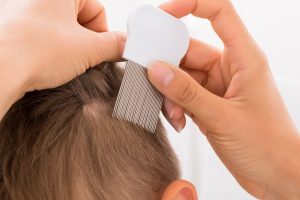
TREATMENT OF HEAD LICE
Treatment of head lice. Head lice are small, crawling insects that live in your hair and bite your scalp, causing itching. They are most common in younger or school-aged children, and they can be treated with special shampoos, creams, or lotions. If you’re having trouble getting rid of lice, speak with your doctor.
TREATMENT OF HEAD LICE
Head lice are parasitic insects that live in your hair; they bite your skin to draw blood and attach their eggs (called nits) to your hair near your scalp, which can cause head itchy. Don’t worry, though; head lice have nothing to do with your children’s personal hygiene.
Signs
Head lice symptoms include: Itching (most common); a sensation that something is moving in your hair; minor bumps or sores from scratching; and trouble sleeping because head lice are most active at night.
Treatment
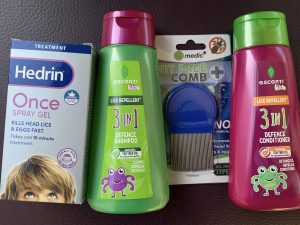
Using an over-the-counter or prescription lice-killing shampoo, lotion, or cream is the most effective method of treating lice. Observe the instructions about the frequency of application. Be aware that babies shouldn’t receive certain treatments.
If you’re not sure which to use or if the first treatment you attempt isn’t working, speak with your child’s doctor. Treatment-resistant lice are emerging. To get rid of them entirely, a combination of therapies can be required.
Applying hand lotion or conditioner to your child’s damp hair for two minutes and then using a fine-toothed comb to remove the lotion or conditioner is an additional method. After you haven’t seen a live louse in two to three weeks, repeat every few days. Medicated shampoo, cream, or lotion treatments may be the most effective when used in conjunction with these and other home cures.
drying clothes and bedding over high heat after washing them in hot water. For a period of two weeks, preserve anything that cannot be washed in a sealed plastic bag or dry clean it.
After using combs and brushes, wash them in extremely hot water. Another option is to apply a lice-killing shampoo, cream, or lotion for fifteen minutes, then rinse them off.
Vacuuming furniture and other places of your house that may have come into contact with lice.
Prevention
To stop lice from spreading, you and your kid can:
Keeping one’s head away from other people
Keeping combs, brushes, caps, and pillows to oneself
To stop the spread of lice, check other members of your home for them and treat them if needed.
If someone in your home has lice, you should wash your clothes and bed linens and do a thorough vacuuming.
Diagnosis
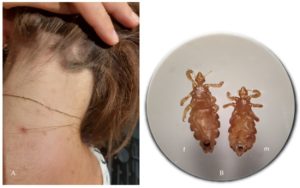
Using a special head lice comb or a fine-toothed comb, slowly go through your child’s damp hair to look for lice. When you draw the comb through each time, check for lice and their eggs. The most usual places to find lice are around your ears and on the back of your head and neck.
Ask the school nurse or your child’s doctor for assistance if you suspect lice but are unable to verify it.
Summary
They are scuttle. They itch. They are a typical aspect of growing up. Children do not transmit head lice because they are unclean; they do so simply by being children. Although they are unpleasant, lice are usually harmless. If you’re unsure of the best method for getting rid of head lice, see your child’s doctor.
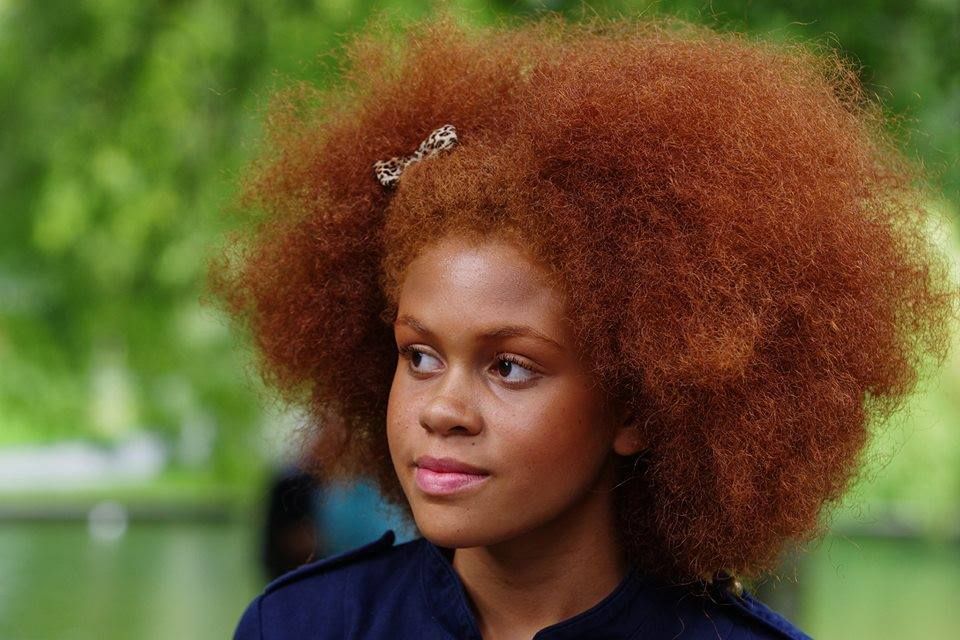
Relevance of ginger hair. In addition to its eye-catching beauty, ginger hair is notable for its cultural and historical significance. Whether it is appreciated for its vivid hues, its connections to folklore, or its portrayal in art and culture. Ginger hairs continue to enthrall and motivate us, serving as a reminder of the richness of human DNA and the beauty found in diversity.
RELEVANCE OF GINGER HAIR
Ginger hair has unique colors that range from bright oranges to deep reds. Everything in between is frequently praised for its uncommon and alluring beauty. Ginger hair, often known as red or auburn hair, is distinguished by its warm tones, which can differ from person to person. making each person’s tint genuinely distinct.
Origins and Genetics;
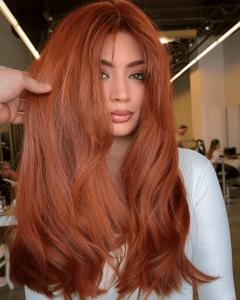
Ginger hair is predominantly found in populations of northern and western European descent. Particularly in countries like Ireland, Scotland, and parts of Scandinavia. It is a result of genetic variations in the melanocortin-1 receptor (MC1R) gene, which affects the production of melanin—the pigment responsible for hair color. Individuals with variations in the MC1R gene typically produce more pheomelanin (red and yellow pigments) and less eumelanin (brown and black pigments), resulting in lighter and reddish hair colors.
Variety and Shades;
Ginger hair encompasses a broad spectrum of shades, from strawberry blondes with hints of golden hues to deep coppery reds reminiscent of autumn leaves. The color intensity can be influenced by factors such as sunlight exposure, age, and overall health. Each shade of ginger hair carries its own charm and can complement various skin tones and eye colors, adding to its allure.
Cultural and Historical Significance;

Relevance of ginger hair
Throughout history and across cultures, ginger hairs has been both revered and mythologized. In ancient Egypt, red hair was associated with the deity Seth, while in ancient Greece, redheads were believed to turn into vampires after death. In modern times, the hair has become an iconic trait associated with figures ranging from fiery heroines in literature to prominent celebrities and cultural icons.
Challenges and Myths;
Despite its beauty, individuals with ginger hairs may face challenges such as increased sensitivity to sunlight. And unique considerations in hair care. There are also enduring myths and stereotypes surrounding redheads. Ranging from assumptions about temperament to supposed rarity. Though ginger hairs occurs in approximately 1-2% of the world’s population.
Celebrating Ginger Hair Today;
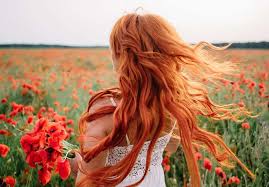
Relevance of ginger hair
In contemporary culture, ginger hair continues to be celebrated for its rarity and uniqueness. It has inspired fashion trends, beauty ideals, and even social media movements. Dedicated to appreciating the diversity and beauty of red hair. Many individuals with ginger hair embrace their distinctive color as a symbol of identity and individuality. Contributing to a broader celebration of diversity in hair color and personal style.
Summary
Only 1% to 2% of people worldwide have ginger (red) hair, a rare genetic characteristic brought on by a mutation in the MC1R gene. It has special significance in the fields of biology, medicine, and cultural history.
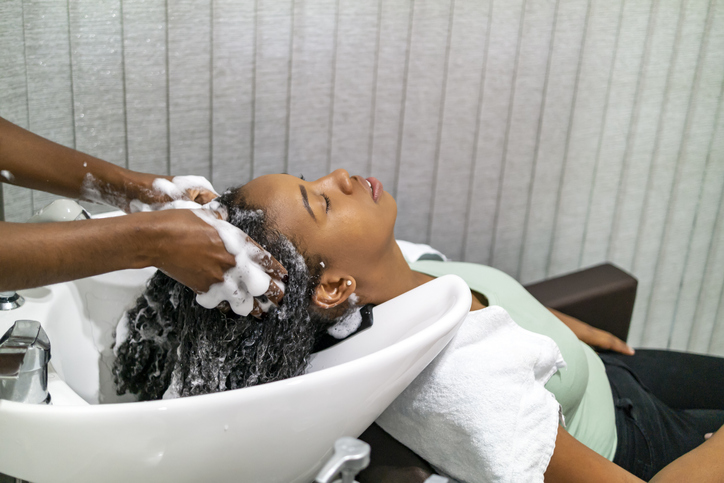
Tips for washing hair. For many years, the topic of “How many times a week should you wash your hair?” has been at the center of a hair washing argument. Anytime between once a week and once a day. We can all agree that taking care of our hair is necessary to keep it looking healthy and attractive. However, your hair type will determine the product and frequency of washing.To assist resolve the argument, here is our guidance on how frequently to wash your hair depending on your hair type.
TIPS FOR WASHING HAIR
Should i use a daily hair wash? The quick response is most likely no. Although hair care professionals disagree somewhat on this point, most of them agree that daily hair washing is not necessary for the most people in actuality over washing your hair can dry it out, which over time can lead to damage, split ends and breakage especially for those with tight curls.
What happens if you don’t wash your hair?
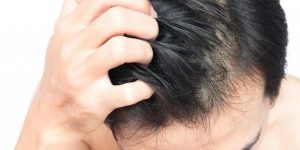
Sebum, a natural oil produced by hair, gives the scalp and hair hydration and protection. Shampoo functions as an emulsifier, help to collect extra oil,debris,and product residue for later removal. Even though you should undoubtedly have some natural oils in your hair, neglecting to wash your hair may cause debris, oil, and filth to accumulate on your scalp. This can result in symptoms like dandruff and itchy scalp, as well as a greasy look and offensive smells.
Which factors affect how often you should wash your hair?
1) Oiliness;
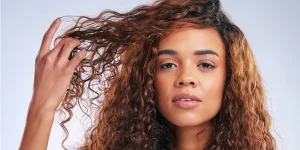
No one wants greasy hair even though your hair should still have some natural oils in it. Overdoing the oil can make your hair seem greasy, draw impurities in, and exacerbate
2. Hair type;
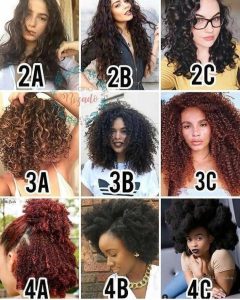
Tips for washing hair
Hair type is one of the biggest elements influencing how often you should condition and shampoo your hair. Although washing your hair is important, it’s also vital to ensure you are using the right products for your hair type to guarantee good health, moisture and maintenance.
3. Products and styling habits;

Tips for washing hair
It should go without saying that you may need to wash your hair more frequently the more product you use on it. Product are necessary for moisture and upkeep, but excessive usage without frequent washing can cause irritation and buildup.
Summary
Using lukewarm water and shampoo on the roots to get rid of buildup and oil, proper hair washing concentrates on cleaning the scalp rather than the ends. To prevent residue, it is crucial to adequately soak hair, rub the scalp with fingertips, and rinse. Conditioner should only be used to mid-lengths to ends.
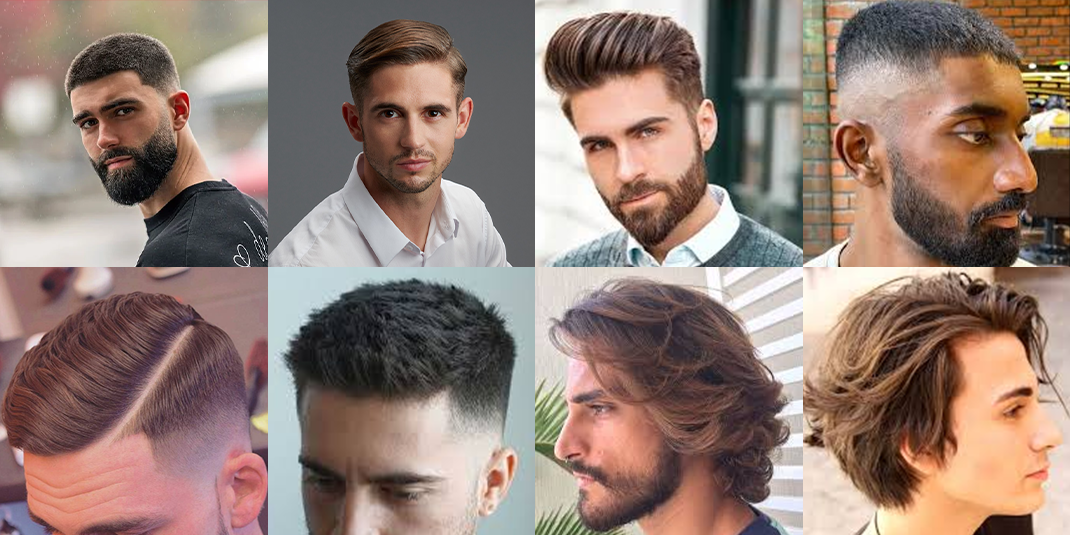
Best haircuts for men. Men’s top hairstyles for 2026 include textured crops, contemporary mullets, and traditional fades; women’s trends center on delicate layers, blunt bobs, and nostalgic bangs. The “flow” haircut, the taper fade with texture, and effortless, natural appearances that complement rather than contrast with natural hair texture are important styles. The low taper fade with a textured top is the most popular and adaptable men’s haircut in 2026. It gives most hair types a clean, contemporary appearance. The textured crop, warrior cut, and contemporary mullet are among the other top styles for 2026. Matte, natural styling products are highly favored.
BEST HAIRCUTS FOR MEN
The cyclical nature of fashion also applies to mens haircut trends, which can shift gt. Getting the newest trendy haircut is a process that demands dedication; its mostly influenced by whatever hairstyle our favourite celebs are sporting at the moment
Some of the trendiest men around have a already begun sporting a wave of trendy men’s haircuts which range from medium length looks long hairstyles for men and of course, the standard selection of undercuts, skin fades and taper fades.
How To Choose The Right Haircut For A Man’s Head
It can be difficult to pull off a new haircut, particularly for males. It involves much more than just telling the barber to cut your hair so you look like Brad Pitt. Now here’s the thing: You should take into account your face shape, lifestyle, hair type (and length), and other aspects while choosing a haircut.
1. Fresh Crop Haircut;
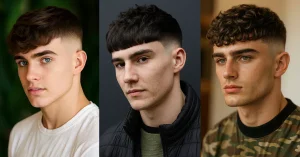
The french crop haircut is one of the most well liked hairstyles for men since it is fashionable and classic. With its cropped fringe and versatility in fading hairstyles, this style is a great choice for those who want to seem put together but lack the time for regular hairstyling and maintenance.
The adaptability of the French crop haircut which suits almost everyone, regardless of face shape has made it incredibly popular for males
2. Quiff Haircut;
Both thin and thick hair types can full off the quiff haircut for men; however, those wit thicker hair may need to allocate a bit more morning time to achieve the desired style.
Therefore, if you’re the type of guy who has plenty of free time, you’ll need a hairdryer and some style supplies like mousse putty, wax, or pomade. But, if you have wavy or curly hair, you’ll quicky discover that the inherent volume it provides can make styling it into a quiff an easy task.
3. Pompadour Haircut;
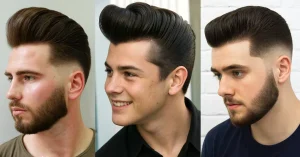
Best haircuts for men
You must add wax or pomade to damp hair before combing all of your hair back and progressively building volume at the top to style your pomp. After creating your pomp, use a hair dryer to maintain its shape and use hairspray to seal it in.
4. Faux Hawk Haircut;
A faux hawk haircut is an excellent option for the fashion-forward man who wants to play up the punk weekends and look professional in the office
5. Angular Fringe Hairstyle;
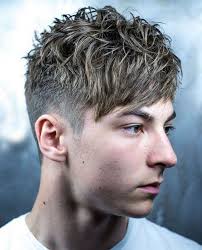
Best haircuts for men
For men who like to look fashionable and young, one of the most popular haircuts is the angular fringe, which is rapidly gaining popularity. The “long top, short sides” idea is still borrowed in the haircut, but the fringe is sliced at an angle to add texture and is left hanging over the forehead.
Summary
Guys with round faces look amazing with this haircut, which is also a wonderful way to showcase highlights.
Foods Rich in Zinc

Appetite Enhancement Tips

Nutritional Value of Rolled Oats

A Step-by-Step Guide to Deleting Reels on Instagram

A Comprehensive Guide to Setting Up a YouTube Premiere

How to Create a WhatsApp Group
-

 Health4 weeks ago
Harmful side effects of earphones
-

 Self esteem4 weeks ago
Tips for self esteem improvement
-

 Exercise4 weeks ago
Regular physical activities importance
-

 Business3 weeks ago
Local business promotion
-

 Health4 weeks ago
Headphones safety tips
-

 Entertainment3 weeks ago
Women and British dance music