Health
Treatment of Thyroid Cancer

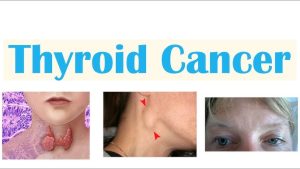
TREATMENT OF THYROID CANCER
Treatment of thyroid cancer. The thyroid, a little gland at the base of your neck that resembles a butterfly, is where thyroid cancer starts. The hormones that this gland produces control your metabolism, or how your body consumes energy. Additionally, thyroid hormones aid in regulating your blood pressure and heart rate, and body temperature. As an endocrine cancer, thyroid cancer is typically very treatable and has a high cure rate.
TREATMENT OF THYROID CANCER
Thyroid cancer occurs in the thyroid gland, a part of your endocrine system. Your thyroid gland produces hormones that regulate body temperature, heart rate and metabolism. The majority of thyroid malignancies can be cured. Radiation, hormone therapy, chemotherapy, surgery, and radioiodine therapy are among the available treatments.
Types
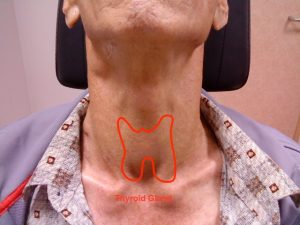
Papillary: Papillary thyroid cancers account for up to 80% of all thyroid cancers. This kind of cancer develops gradually. Papillary thyroid carcinoma responds quite well to treatment, despite the fact that it frequently spreads to lymph nodes in the neck.
Rarely lethal, papillary thyroid carcinoma is very treatable.
Follicular: Up to 15% of thyroid cancer diagnoses are attributed to follicular thyroid carcinoma. It is more likely that this cancer will spread to your lungs and other bones and organs. Treatment for metastatic cancer, or cancer that spreads, may be more difficult.
Medullary: Malignancies account for around 2% of thyroid cancer cases. A family history of medullary thyroid carcinoma is present in 25% of cases. One possible cause is a defective gene.
Signs
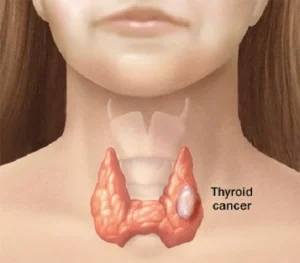
Thyroid nodules are lumps or growths in the neck that you or your healthcare practitioner may feel. If you have a thyroid nodule, don’t freak out. The majority of nodules are not cancerous. About three out of every twenty thyroid nodules are found to be malignant, or cancerous.
Breathing or swallowing difficulties are further signs of thyroid cancer.
voice loss (hoarseness).
swelling in your neck’s lymph nodes.
You may have symptoms like fatigue if your thyroid cancer has metastasized, or spread, to other parts of your body.
appetite loss.
vomiting and nausea.
unexpected reduction in weight.
Causes
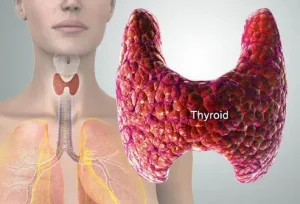
Thyroiditis; increased thyroid (goiter); family history of thyroid disease or thyroid cancer; gene mutations (alterations) that result in endocrine disorders, including multiple endocrine neoplasia type 2A or type 2B syndrome; low iodine intake; radiation therapy for head and neck cancer, particularly in children; and exposure to radioactive fallout from nuclear weapons or a power plant accident.
Treatment

Treatment of thyroid cancer
Surgery: The most typical course of treatment for thyroid cancer is surgery. The size and location of the tumor will determine whether a surgeon removes your thyroid gland entirely (thyroidectomy) or just a portion of it (lobectomy). Additionally, the surgeon removes any lymph nodes in the area where cancer cells have disseminated.
Radioiodine therapy: In radioiodine therapy, a dose of radioactive iodine that is higher than that used in a diagnostic radioiodine scan is swallowed. Both the cancer cells and the damaged thyroid gland are destroyed by the radioiodine. This therapy is extremely safe. The majority of the radioiodine is absorbed by your thyroid gland, while the remainder of your body is exposed to very little radiation.
Summary
The optimal course of treatment for your particular type of thyroid cancer can be discussed with your healthcare professional. You might need to take synthetic thyroid hormones for the rest of your life after treatment. Essential bodily functions are supported by these hormones. You will have frequent checks to keep an eye on your health, but they typically don’t cause any serious adverse effects.
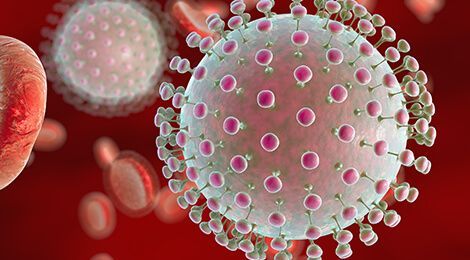
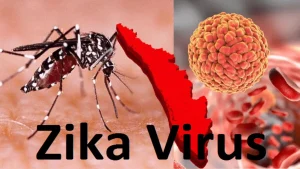
What is zika virus?. The virus is a mosquito-borne disease that usually has little to no symptoms, but it can cause major birth problems like microcephaly if it is transferred from a pregnant mother to her fetus. It can be transferred through intercourse and by the bite of an infected Aedes mosquito. Pregnant women should take extra care in areas that are impacted, even if symptoms including fever, rash, joint discomfort, and conjunctivitis are usually minor and temporary.
WHAT IS ZIKA VIRUS?
Because of its potential to cause serious birth abnormalities and neurological disorders, the Zika virus continues to be a major public health issue. People can lower their risk of infection by being aware of the ways in which the disease is spread, identifying symptoms, and taking precautions. In order to stop the Zika virus from spreading and to safeguard vulnerable groups, especially expectant mothers and their unborn children, public health initiatives and community awareness are essential.
Transmission;
The Zika virus is primarily spread through the bites of infected Aedes mosquitoes, particularly Aedes aegypti and Aedes albopictus. These mosquitoes are most active during the daytime, especially in tropical and subtropical regions. In addition to mosquito bites, Zika can be transmitted through:
– Mother-to-Child: During pregnancy, the virus can be passed from an infected mother to her fetus, potentially causing birth defects.
– Sexual Contact: The virus can be transmitted through sexual intercourse with an infected person.
– Blood Transfusion: Though rare, Zika can be transmitted through blood transfusions from infected donors.
Zika virus Symptoms;
WHAT IS ZIKA VIRUS?
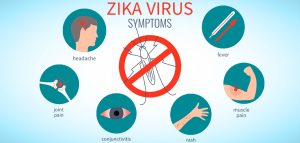
Many people infected with the Zika virus do not exhibit symptoms. When symptoms do occur, they are usually mild and can last for several days to a week. Common symptoms include:
– Fever
– Rash
– Joint pain
– Conjunctivitis (red eyes)
– Muscle pain
– Headache
The major concern with Zika virus infection is its impact on pregnancy. Infection during pregnancy can lead to severe birth defects, including microcephaly, a condition where babies are born with abnormally small heads and underdeveloped brains. Other neurological complications have also been associated with Zika, such as Guillain-Barré syndrome.
Prevention;
WHAT IS ZIKA VIRUS?
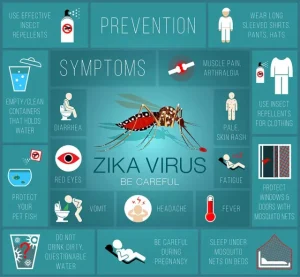
Preventing this infection primarily involves avoiding mosquito bites and practicing safe behaviors. Key preventive measures include:
– Use Insect Repellents: Apply repellents containing DEET, picaridin, or oil of lemon eucalyptus to exposed skin.
– Wear Protective Clothing: Wear long-sleeved shirts, long pants, socks, and shoes to minimize skin exposure.
– Eliminate Standing Water: Regularly empty and clean containers that hold water, such as flower pots, buckets, and birdbaths, to reduce mosquito breeding sites.
– Use Mosquito Nets: Sleep under mosquito nets, especially in areas with high Zika transmission rates.
– Install Screens: Ensure that windows and doors have screens to prevent mosquitoes from entering indoor spaces.
– Safe Sex Practices: Use condoms or abstain from sex to reduce the risk of sexual transmission, especially if your partner has traveled to or resides in an area with active transmission.
Treatment;
WHAT IS ZIKA VIRUS?
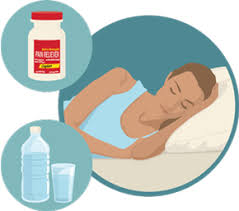
There is no specific antiviral treatment for this infection. Treatment focuses on relieving symptoms and includes:
– Rest: Ensure plenty of rest to help the body fight the infection.
Summary
Due to its rapid spread and significant health risks, especially for expectant mothers and their unborn children, the Zika virus has drawn attention from all around the world. A serious threat to public health, it is mostly carried by Aedes mosquitoes, which are also the vectors of dengue and chikungunya.
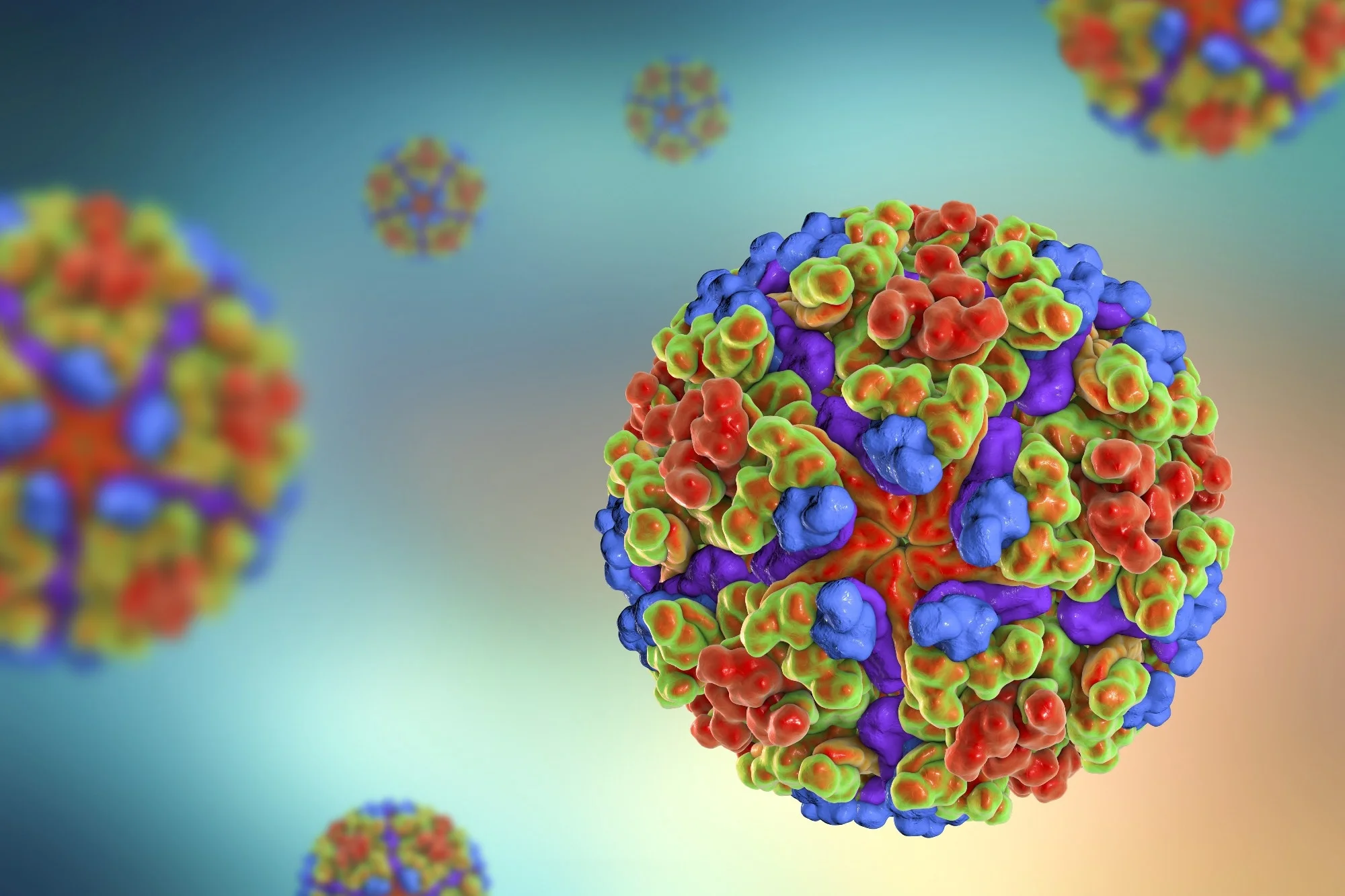
What is Chikungunya?. The virus can cause severe symptoms like fever and joint pain. Because chikungunya is known to cause joint pain, the term literally translates to “bent over.” Chikungunya cannot be treated with drugs. The goal of treatment is to control your symptoms. While some people experience chronic joint pain, the majority of people recover from the sickness in roughly a week. Visitors to regions where chikungunya is actively spreading should use extreme caution to prevent mosquito bites. After contracting the virus, it’s crucial to stay away from mosquito bites for around a week. This is due to the possibility that an uninfected mosquito could bite you and contract the virus, thereby spreading it farther.
WHAT IS CHIKUNGUNYA?
Chikungunya’s quick spread and excruciating joint pain make it a serious public health concern. Reducing the risk of infection requires an understanding of the symptoms, means of transmission, and preventive actions. People can protect themselves and their communities against chikungunya by removing mosquito breeding grounds and taking precautions against mosquito bites. To manage and stop the development of this crippling illness, public health campaigns and raised awareness are crucial.
Transmission;
What is Chikungunya?
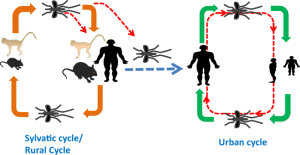
Chikungunya virus is transmitted to humans through the bites of infected Aedes mosquitoes, particularly Aedes aegypti and Aedes albopictus. These mosquitoes are active during the day, with peak biting periods in the early morning and late afternoon. They thrive in areas with standing water, which serves as breeding sites.
Symptoms;
What is Chikungunya?
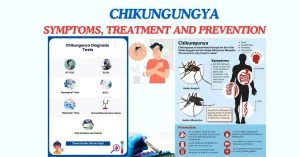
Symptoms of chikungunya typically appear 4 to 8 days after being bitten by an infected mosquito. They include:
– Fever: Sudden onset of high fever, which can reach up to 104°F (40°C).
– Severe Joint Pain: Often debilitating, affecting multiple joints and lasting for weeks or even months.
– Muscle Pain: Generalized muscle aches and pains.
– Headache: Intense headaches, often concentrated in the temples or behind the eyes.
– Rash: A rash that may cover the trunk and limbs.
– Fatigue: Extreme tiredness and weakness.
While chikungunya is rarely fatal, the joint pain can be severe and long-lasting, significantly affecting quality of life.
Prevention;
What is Chikungunya?
Preventing chikungunya involves avoiding mosquito bites and reducing mosquito habitats. Effective preventive measures include:
– Use Insect Repellents: Apply repellents containing DEET, picaridin, or oil of lemon eucalyptus to exposed skin.
– Wear Protective Clothing: Wear long-sleeved shirts, long pants, and socks to minimize skin exposure.
– Eliminate Standing Water: Regularly empty and clean containers that hold water, such as flower pots, buckets, and birdbaths, to reduce mosquito breeding sites.
– Use Mosquito Nets: Sleep under mosquito nets, especially in areas with high chikungunya transmission rates.
– Install Screens: Ensure that windows and doors have screens to prevent mosquitoes from entering indoor spaces.
Treatment;

There is no specific antiviral treatment for it. Management focuses on relieving symptoms and supporting recovery. Key treatment measures include:
– Rest: Adequate rest to help the body recover from the infection.
– Hydration: Drinking plenty of fluids to prevent dehydration caused by fever and sweating.
– Pain Relief: Using medications such as acetaminophen (paracetamol) to reduce fever and alleviate pain. Avoid aspirin and other NSAIDs, which can increase the risk of bleeding.
– Physical Therapy: In some cases, physical therapy and gentle exercises can help alleviate joint pain and improve mobility.
Summary
The viral illness known as chikungunya has drawn notice due to its crippling symptoms and quick spread throughout tropical and subtropical areas. Chikungunya, which is mostly spread by Aedes mosquitoes, can lead to serious health problems, including excruciating joint pain.


Protein sources. The building, mending, and regulation of the body’s tissues and organs depend on proteins, which are vital macromolecules composed of chains of amino acids. They are one of the three primary macronutrients and serve a number of purposes, such as hormones, enzymes, and structural elements. There are many different animal sources of protein, including meat, chicken, fish, and eggs, as well as plant sources, including soy, beans, nuts, and seeds.
PROTEIN SOURCES
Lean meats, chicken, fish, eggs, dairy products, legumes (beans, peas, lentils), nuts, seeds, and soy products are just a few examples of the many different animal and plant-based foods that are considered protein sources. Eating a range of protein sources throughout the day is the best way to obtain a complete amino acid profile. Animal and plant sources both provide protein. Below, are some of the top foods high in protein:
1. Eggs;

We enjoy cooking with them, but what is the protein content of an egg? Approximately 6g of easily digestible protein can be found in one medium egg. A nutritious omelette is a great way to start the day and makes a satisfying post-workout snack.
2. Milk;

protein sources
Foods made from dairy are high in protein and include calcium, which helps to develop bones. Chocolate milk has long been considered the ideal post-workout recovery food due to its combination of fast- and slow-releasing whey and casein proteins, as well as energy-boosting carbs. A milk-based fruit smoothie, like this one with raspberries and cranberries, can have the same recuperation-enhancing benefits.
3. Yogurt;

Yogurt, which combines casein and whey protein, is a healthy source of protein. If you are lactose intolerant, it might be a good alternative because part of the lactose is eliminated, but if you have any concerns, speak with your healthcare provider.
4. Fish and seafood;

protein sources
Seafood and fish are often low in fat and high in protein. Salmon has a somewhat higher fat content than other fish, but it also contains heart-healthy omega-3 fatty acids, which help to relieve inflammation and stiffness in joints.
5. Soya;
protein sources
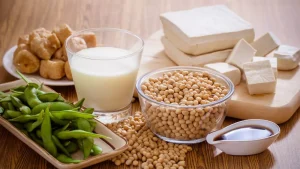
Eating foods high in soy protein, such as fortified tofu and soy-based beverages, can aid in the healing process if you are intolerant to dairy. They may also minimize the risk of heart disease and assist lower cholesterol.Eating foods high in soy protein, such as fortified tofu and soy-based beverages, can aid in the healing process if you are intolerant to dairy. They may also minimize the risk of heart disease and assist lower cholesterol.
6. Nuts and seeds;
protein sources
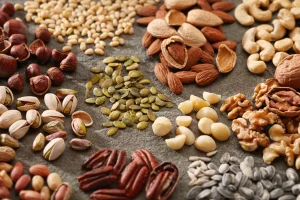
If you’re always on the go, nuts and seeds make a convenient source of protein. About fifty pistachio nuts include six grams of protein along with potassium and salt, which are the electrolytes lost through perspiration during exercising. This quick snack or breakfast dish of pistachios and clementine-flavored couscous is delicious.
Summary
By using these animal-based protein sources in your diet, you may increase the diversity of your meals and obtain high-quality protein. Remember to consider your personal dietary needs and preferences while selecting animal-based proteins.

What is Zika Virus?

What is Chikungunya?

Protein Sources

A Step-by-Step Guide to Deleting Reels on Instagram

A Comprehensive Guide to Setting Up a YouTube Premiere