Food
Types of Diets


Types of diets. A diet is the food and beverages you regularly eat. It can include anything from a balanced intake of fruits, vegetables, whole grains, and proteins for health (such as the WHO’s guidelines and NHS recommendations) to particular eating plans (such as Keto, Vegan, or Mediterranean) that are frequently adopted for weight loss or health goals. Popular options include Low-Carb, DASH, or Intermittent Fasting, though individualized advice from a dietitian is essential before beginning any new regimen.
TYPES OF DIETS
Diets, which include well-known varieties like Keto (low-carb, high-fat), Paleo (ancestral whole foods), Mediterranean (plant-based, healthy fats), Vegetarian/Vegan (plant-focused, no or all animal products), and structured plans like DASH (heart health) or Intermittent Fasting (eating windows), are eating patterns centered around weight loss, health, or ethics. They all have different goals, advantages, and possible drawbacks, ranging from sustainable, balanced strategies to constrictive ones.
Meaning of Diet;
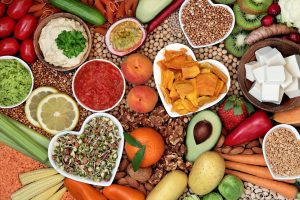

A diet is a collection of foods that are commonly consumed by a particular group of people or organisms. Human diets are shaped by nutritional requirements, the types of food available in a given place, and cultural values.
Types of diet to follow. When it comes to choosing a diet that may benefit you, there are numerous options available.
Diet Types;


Here’s a closer look at some of the various diets.
1. The Paleo Diet. This is a natural eating style that virtually eliminates sugar consumption. The only sugar in a Paleo diet comes from fruits. The Paleo diet consists of:
Fish
Fowl
Vegetables
Fruits
Nuts
Oils
Sweet potatoes


Types of diets
2. The Blood Type Diet. Some doctors have begun to explore diets that are compatible with specific blood types. These diets aim to match people’s common dietary needs based on their blood type.
3. The vegan diet. This diet is a type of vegetarian diet because it excludes meat and animal products. One of the key benefits of this diet is a lower intake of cholesterol.
4. The South Beach Diet. This diet was introduced in 2003, and it is based on the idea of improving one’s overall eating habits by balancing one’s daily meals.


Types of diets
5. The Diet of the Mediterranean This is another type of diet that is high in vegetables and steers clear of meat but leaves it in moderation. This diet not only helps with blood sugar control and weight loss but it has also been shown to aid with depression. Oil should be used wherever possible in place of butter, salad dressings, and marinades, according to the Mediterranean diet. Eating a balanced diet is very essential to one’s health. General Nutrition Information by NutritionED.org Contributor. permalink.
Summary
Plant-focused diets (Vegan, Vegetarian, Mediterranean, Flexitarian), low-carb/high-fat diets (Keto, Atkins, Paleo, Carnivore), medically focused diets (DASH for blood pressure, Gluten-Free for sensitivities, Low-FODMAP for gut health), and timed eating diets (Intermittent Fasting) are all available. The Mediterranean, DASH, and balanced diets are typically highly regarded by experts.