
water
Types of Water Bodies


Types of water bodies. One of the most vital natural resources on the planet is water, which exists in many different forms. Numerous bodies of water can be classified as fresh or salt, as well as little or huge. One of the most vital natural resources on the planet is water, which exists in many different forms. Numerous bodies of water can be classified as fresh or salt, as well as little or huge. They are distinguished from one another by their characteristics.
TYPES OF WATER BODIES
You must have witnessed ponds, streams, oceans, and more. These are all bodies of water, and they are all extremely important to life as we know it. For a better understanding, let’s see the many kinds of bodies of water in more detail.
1. Ocean

The largest bodies of water on Earth are the oceans, We have five oceans in our world, which make up at least 71% of the planet’s surface. The World Ocean is where all of the marine saltwater that is visible on Earth eventually ends up. Nonetheless, it is simpler to distinguish between distinct ocean basins due to the arrangement of our continents. Accordingly, the Pacific Ocean is the larger when considering this distinction. The Atlantic Ocean comes next, and then the Indian Ocean.
2. The seas

These can essentially be referred to as oceanic sub-sections. Seas are the areas along the coast of the oceans where land masses around them. The Mediterranean Sea is most frequently used as an example of a sea. The Caribbean Sea, the Bering Sea, and the South China Sea are some of the other well-known ones. The ocean is directly connected to the majority of these bodies of water.
3. Lakes

These are inland bodies of water that can include either saltwater or freshwater. Land also encloses lakes, and some people even classify the Caspian Sea as a lake. A lake and a pond are not exactly the same thing. But lakes can also be very large, as in the case of Russia’s Lake Baikal and North America’s Great Lakes. A variety of processes, including glacial erosion, volcanic eruptions, and river damming, contribute to the formation of lakes.
4. Streams and Rivers

In essence, these are moving bodies of water. Put another way, rivers and streams are formed by the water that flows across the surface of the earth. Streams can be thought of as rivers on a smaller scale. They are made up of freshwater that, because to the steady flow of rivers and streams, finds its way into the ocean. Rivers are a significant source of both electricity and water. In addition, they are extensively utilized as fishing grounds and for transportation.
5. The Glaciers

Water bodies that are frozen are called glaciers. Like frozen rivers, they are also a type of water body that moves slowly. The ice caps, glacial ice, and glaciers are all millions of years old. They are freshwater sources and make up over 10% of the planet’s geographic area.
Summary
These bodies of water range in size from enormous ones like seas and oceans to tiny ones like ponds. As a result, the several types of water bodies that we observe on the surface of the globe.

Relevance of water consumption. With the chemical formula H2O, water is an inorganic substance. It is a chemical compound that is translucent, tasteless, odorless, and almost colorless. It serves as a solvent in the fluids of all known living things and is the primary component of Earth’s streams, lakes, and oceans. Strong intermolecular hydrogen bonding occurs in water because it is a polar molecule, which greatly influences its chemical and physical characteristics.
RELEVANCE OF WATER CONSUMPTION
Also, including fluids from food and drink, the recommended daily water intake is around 11.5 cups (2.7 liters) for women and 15.5 cups (3.7 liters) for men. Health, activity, and climate all affect daily requirements, with food typically accounting for 20% of intake. While excessive water consumption might result in intoxication, proper hydration is essential for body functions.
Alleviates Indigestion and Heartburn;

• Increased stomach acidity and acid reflux in the esophagus might result in heartburn and ingestion. Water dilutes the stomach and pushes down acidity when consumed first thing in the morning. • The water’ will lessen the acidity in your stomach, allowing you to feel comfortable when it’s time for breakfast.
Aids in Losing Weight; • When you drink water as soon as you wake up, your body releases toxins that cause your intestines to start moving. This is in addition to making you feel less hungry and reducing cravings. Your digestive system will heal and get better thanks to this procedure.
Enhances Skin Brightness for a Perfect Complexion;

Relevance of water consumption
• Drinking water helps your body expel toxins more quickly, giving your skin the vibrancy and glow you may purchase products to achieve. • In fact, studies have shown that drinking 500 mL of water will improve blood flow, brighten your skin, and boost the creation of new blood cells. • Deeper pores and early wrinkles might also result from your body’s deficiency of water.
Strengthens Immune System;

• Drinking wat-er first thing in the morning flushes out the stomach and therefore balances the lymphatic system. A stable lymphatic system will help build a strong immune system, which will prevent us from getting sick as often.
Increase Shine and Hair Texture;

Relevance of water consumption
However, did you know that wate r makes up 25% of the weight of a single hair? By reducing water consumption, you are actually causing your hair to turn thin and delicate. Just yet another reason why drinking wa-ter on an empty stomach will increase hair growth.
Summary
Maintaining homeostasis, which supports vital body processes including temperature regulation, nutrition transportation, joint lubrication, and waste disposal, requires consuming enough water. Maintaining adequate water improves digestion, prevents kidney stones, increases energy, and improves cognitive function.
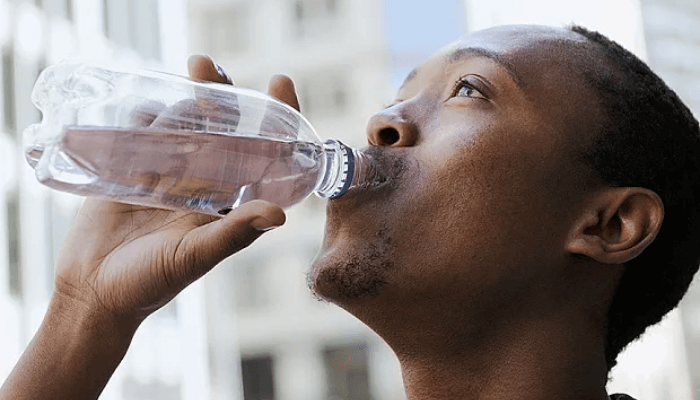
Drinking water relevance. Since it makes up 50% to 65% of body weight and supports critical processes including waste disposal, nutrient transportation, and temperature regulation, drinking water is crucial for survival. Staying properly hydrated helps with digestion, improves mood, and avoids weariness. Though requirements vary by exercise and environment, men require approximately 15.5 cups (3.7 liters) of total fluids per day, while women require 11.5 cups (2.7 liters), including food.
DRINKING WATER RELEVANCE
Drinking water, which makes up around 60% of body weight and supports almost all biological functions, such as waste disposal, temperature regulation, and nutrition transport, is crucial for human life and wellness. Daily consumption is essential to avoid dehydration, which can result in headaches, physical exhaustion, and cognitive impairment.

1. It contributes to saliva creation Saliva is mostly composed of water. Saliva also contains trace levels of mucous, enzymes, and electrolytes. It is necessary to maintain the health of your mouth and to break down solid food. When you consume fluids on a regular basis, your body typically creates enough saliva. However, aging, certain medications, or certain therapies may cause your salivary flow to decrease.
2. It controls your body temperature. In order to keep your body temperature stable, you must stay hydrated. Sweating is how your body loses water when you’re exercising and in hot weather. Sweating helps to keep your body cool, but if you don’t replace the water you lose, your body temperature will rise. That’s because dehydration causes your body to lose plasma and electrolytes.

DRINKING WATER RELEVANCE
3. It safeguards your joints, tissues, and spinal cord. Drinking water helps your tissues, spinal cord, and joints stay lubricated and cushioned. You’ll be able to enjoy exercise more and have less pain from ailments like arthritis.
4. Through sweating, urinating, and defecating, it aids in waste excretion. Your body utilizes water for bowel movements, sweating, and urination. When exercising or in warm weather, sweat controls body temperature. To replace the fluids lost through perspiration, you must drink water.
5. It optimizes physical performance. It’s crucial to drink lots of water when exercising. Through physical exercise, athletes may sweat up to 6–10% of their body weight. Hydration also has an impact on your stamina, strength, and power.

DRINKING WATER RELEVANCE
6. It keeps constipation at bay. Constipation can be avoided in ways other than consuming fiber. To ensure that your bowel motions contain adequate water, it’s also critical to maintain your water consumption. Constipation may become more common if you don’t get enough fiber, magnesium, and water in your diet.

DRINKING WATER RELEVANCE
7. It facilitates digestion. Despite popular belief, researchers have confirmed that drinking water before, during, and after meals will facilitate your body’s ability to process the food you eat. By doing this, you will maximize the benefits of your meals and improve your ability to digest food.
Summary
Water makes up most of your body weight and is necessary for several important functions. This entails maintaining bodily hygiene, regulating body temperature, and promoting brain function.

Advantages of gulping hot water. The body uses water for several purposes, including lubricating joints, protecting organs and tissues, regulating body temperature, and providing cells with nutrition and oxygen. Despite the possibility of mild dehydration during the day, there is no evidence that drinking water on an empty stomach will have any extra advantages. As long as you replenish your body’s water losses, it doesn’t really matter if you drink a glass of water first thing in the morning or at any other time of day.
ADVANTAGES OF GULPING HOT WATER
Many people find that drinking hot water, whether it be lemon water or just plain hot water, is soothing and healthful. Hot water may improve digestion, ease congestion, lower stress levels, and make you feel warmer in addition to keeping you hydrated. Drinking water, hot or cold, keeps your body hydrated and in good health. Some claim that drinking hot water, as opposed to cold water, might improve digestion, ease congestion, and even promote relaxation.
Since there isn’t much scientific research on the subject, the majority of the health advantages of hot water are based on anecdotal stories. Nevertheless, a lot of people experience the benefits of this therapy, particularly in the morning or just before bed. Among its many advantages, hot water can increase digestion, ease pain, encourage relaxation, and speed up metabolism. The advantages of drinking hot water are discussed in this article, along with the reasons it’s worthwhile to include it in one’s daily routine.
1. Handling Colds/Enhancing Sinus;

Wellbeing In particular, drinking hot water can help treat colds and promote sinus health. Because hot water thins mucus and reduces inflammation, it helps those with nasalcongestion.
2. Aids with Digestion;
Drinking hot water has several advantages, such as better digestion due to increased blood flow to the digestive system and stimulation of the digestive organs. Additionally, hot water can facilitate the body’s absorption of nutrients.
3. Enhances the Performance of the Central Nervous System;

Blood circulation can be enhanced by warm water, which helps the brain receive oxygen and nutrients and perform better overall. Drinking warm water also helps people feel less stressed and anxious, which can aid the nervous system.
4. Addresses Constipation;
Warm water has several advantages, including the potential to alleviate constipation. Warm water consumption can encourage bowel motions and aid in digestive system stimulation. Additionally, warm water helps soften feces.
5. Preserves Hydration;
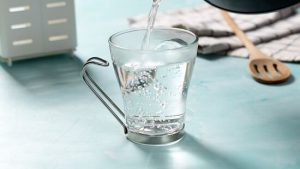
Advantages of gulping hot water
During chilly weather, when the body tends to lose more fluids, drinking hot water can help restore lost fluids. Additionally, hot water can be calming, which makes individuals want to drink more water and stay hydrated.
6. Lessens Shivering in Cold Environments;
Another advantage of hot water is that it lessens shivering in cold weather. In order to produce heat and stay warm, the body may begin to shiver when exposed to cold temperatures.
7. Enhances Circulation;

Advantages of gulping hot water
An additional advantage of drinking hot water is better circulation. The body’s tissues and organs receive more oxygen and blood flow when blood vessels are dilated by the warmth of hot water.
8. Detoxing the Body;
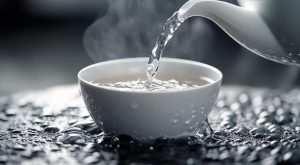
Advantages of gulping hot water
Warm water consumption may help the body detoxify. By raising body temperature, the warm water can encourage perspiration and facilitate the body’s natural elimination of toxins through the skin.
Summary
Though many of these claims are based on anecdotal evidence and traditional medical practices like Ayurveda and Traditional Chinese Medicine, with little conclusive scientific research, gulping (or sipping) hot or warm water is thought to offer a number of benefits, primarily related to digestion, circulation, and congestion relief.
Foods Rich in Zinc

Appetite Enhancement Tips

Nutritional Value of Rolled Oats

A Step-by-Step Guide to Deleting Reels on Instagram

A Comprehensive Guide to Setting Up a YouTube Premiere

How to Create a WhatsApp Group
-

 Health4 weeks ago
Harmful side effects of earphones
-

 Self esteem4 weeks ago
Tips for self esteem improvement
-

 Exercise4 weeks ago
Regular physical activities importance
-

 Business3 weeks ago
Local business promotion
-

 Health4 weeks ago
Headphones safety tips
-

 Entertainment3 weeks ago
Women and British dance music
Pingback: Benefits of Houseplants - SimplExplainer
Pingback: Schistosomiasis: A Neglected Tropical Disease - SimplExplainer
Pingback: Spider Plant: The Classic Houseplant for Every Home - SimplExplainer
Pingback: Simmer Pot Air Fresheners - SimplExplainer