
weather
What to do During Rainy Season

WHAT TO DO DURING RAINY SEASON

What to do during rainy season. While the rainy season offers some respite from the heat, it also carries with it a number of risks and difficulties. Being informed and well-prepared is essential to keeping you and your family safe and healthy. Here are some thorough safety guidelines for dealing with the rainy season, along with helpful suggestions for things to do and not do.
What to do During Rainy Season
We cannot dispute that flu and other ailments like cough, colds, allergies, malaria, etc. are prevalent during the rainy season, despite the fact that it may also be pleasant, snug, and comfortable. Here are some suggestions for keeping you and your family healthy throughout the rainy season to assist you avoid getting sick: There are unique challenges associated with living and working during this wet season. When you are caught in a downpour without a raincoat or umbrella, you end up drenched. The following advice will help you survive.
1. Become ready for the season
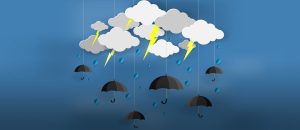
No one can predict when or where it will rain, thus it is important to be ready for such situations. Weather forecasts, for example, are just that—predictions and guidance! Purchase enduring and transportable rain gear, such as umbrellas, hooded raincoats, and rain boots or rubber shoes and covers.
2.Verify where you are at home or at work
Just as water finds its level, so does rains. Verify that water flow points such as roof drainpipes and gutters are clear and capable of draining water readily, check your roof for leaks, and clean out any drainage systems nearby.
3. Protect your health during the season
There are health risks associated with rain, such as colds, catarrh, waterborne illnesses, diarrhea, and mosquito-borne malaria. Therefore, precautionary steps like installing mosquito nets, mosquito coils or sprays, and mosquito repellent lotions will help avoid the possibility of malaria developing as a result of mosquito bites.
4. Be careful when driving

After extended dry spells, the first rain causes oil and grease to rise to the surface, making roadways extremely slick. In the event of flash floods, that is combined with rushing water, and the result is disaster.
5. Be mindful of the season’s risks
Natural disasters are typically unpleasant, and during the rainy season, we may see flash floods, lightning, and other weather-related hazards. Always protect oneself from the weather by being vigilant and cautious.
6. Prior to departing, check the weather
Although no one can forecast the weather, science can make some very accurate assumptions. Talk to the weatherman or use one of the many weather apps available to get a sense of the conditions where you are and where you are heading.
7. Make the most of your indoor time

Despite our desire to go outside, we should make the most of the rainy season by staying indoors.
Summary
There are advantages and disadvantages to the wet season. You and your family may maintain your safety, health, and comfort by being aware and taking the appropriate precautions. Recall that accidents and sickness can be avoided with a little forethought. Enjoy the cool change that the rainy season brings while staying safe and dry!

Hand gloves and winter season. Hand gloves, which come in a variety of materials like nitrile, latex, rubber, and leather, offer vital protection for hands against cuts, burns, chemicals, and infections. Important varieties include heavy-duty industrial, cut-resistant, and domestic cleaning gloves, as well as disposable nitrile/latex gloves for hygiene. In Nigeria, the cost of a 100-pack of disposable gloves can range from ₦13,500 to ₦3,550 for three pairs.
HAND GLOVES AND WINTER SEASON
A hand glove is an essential wintertime accessory. They are essential for maintaining warmth, shielding the skin, and guaranteeing comfort in chilly climates. During the winter months, you can keep your hands healthy by purchasing a good pair of gloves.To protect your hands from inclement weather in the winter, you must wear hand gloves. The wind and cold air can seriously harm the skin, resulting in pain, dryness, and cracking. Here’s why it’s so crucial to wear gloves in the winter:
Key Benefits;
1. Prevents Dry and Cracked Skin:

Hand gloves and winter season
Gloves act as a barrier against cold and dry air, which can strip the skin of moisture and cause it to become dry and chapped. By wearing gloves, you help retain your skin’s natural oils and prevent damage.
Cold temperatures can constrict blood vessels, reducing blood flow to the fingers and making them feel cold or even numb. Gloves help keep your hands warm and improve circulation, preventing issues like frostbite in extremely cold conditions.
3. Reduces Risk of Skin Conditions:
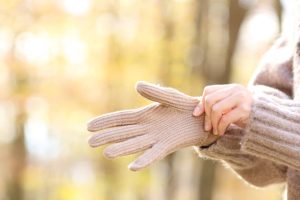
Exposure to cold weather can trigger or worsen conditions such as eczema and dermatitis. Glove provide a layer of protection, minimizing exposure to harsh elements that could irritate sensitive skin.
4. Improves Comfort and Function:
Hand gloves and winter season
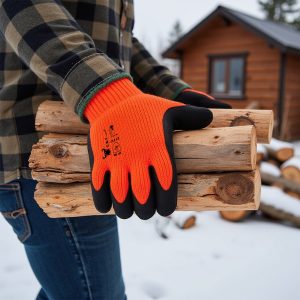
Cold hands can become stiff and less dexterous, making it difficult to perform everyday tasks. Wearing glove keeps your hands flexible and allows you to maintain normal function during outdoor activities.
Summary
Winter gloves, which range from mittens for optimal warmth to insulated gloves for dexterity, are crucial for shielding hands from freezing temperatures and frostbite. Thermal lining, windproof/waterproof fabrics, and appropriate sizing to permit circulation are important qualities. Wearing latex or thin liner gloves underneath thicker pairs for extra insulation is a common solution for extremely cold temperatures.

Harmattan season guidelines. Nigerians and other West Africans can relate to Harmattan. For those who are unfamiliar, the season of Harmattan typically spans from late November to February. Heavy dust-laden particles and chilly, dry winds—which are frequently cooler at night and in the early morning—are characteristics of the Harmattan season. Because of the temperature and other factors, the weather during this season may be detrimental to your body and general health.
HARMATTAN SEASON GUIDELINES
By employing these strategies, you might transform the holiday from a challenging season into an opportunity for proactive self-care and enhanced wellbeing. Remember that during this unique period, awareness and understanding are your allies. Stay educated, prioritize your health, and enjoy the unique charm of the harmattan!
1. Keep your skin hydrated;

Make sure you moisturize your skin thoroughly, especially the areas of your body that are exposed when you’re dressed. Make sure your moisturizers are with you before you go. This would keep your skin appearing young in spite of the weather and prevents it from becoming chapped or ashy.
2. Put on Hairstyles That Protect You;
Women should not wear their hair loose during the Harmattan season. It would become frizzy and dusty as it dried out. You can shield your hair from the dry wind by using protective hairstyles like cornrows, braids, or even wigs. Above all else, make sure your scalp is well hydrated and stay away from items that could deplete your hair of its natural oils, particularly harsh washes.
3. Remain hydrated;

Harmattan season guidelines
Water has always played a vital role in our everyday lives, but it is even more significant during Harmattan. Drinking enough water will keep you hydrated and help you from being dehydrated and sick as the weather gets drier. During this season, drinking enough water also maintains your skin looking radiant.
4. Frequently dust your houses;
Harmattan can leave your home very dusty, especially on the carpets, rugs, windows, curtains, and furniture. Dust and clean your dwellings daily to avoid breathing in dust, which can lead to allergies and other illnesses.
5. Get adequate vitamin C;

Harmattan season guidelines
During Harmattan, vitamin C is one of the most vital vitamins you require since it strengthens your immune system to fend off potential illnesses like the flu and the common cold. Additionally, it nourishes the skin and promotes wound healing.
6. Consume water and Hot Tea;

Harmattan season guidelines
Throughout the day, you will need to stay hydrated due to the dry, hot, and occasionally cold weather. You can prevent dehydration and maintain hydrated skin by drinking water. Thus, consume a lot of it. You will require the water, we assure you. Antioxidants included in Healthy Herbal Teas help your body fight against free radicals. Compounds known as free radicals can be harmful if they accumulate in your body in excessive amounts. They are connected to a number of diseases, such as cancer, diabetes, and heart disease.
Summary
During the harmattan season, which lasts from late November to March, it is important to stay hydrated, moisturize deeply, and protect your respiratory system from dust. Important recommendations include wearing face masks, applying oils or lip balm for dry skin, drinking 1.5 to 2 liters of water per day, and keeping windows and doors closed to keep dusty winds out.
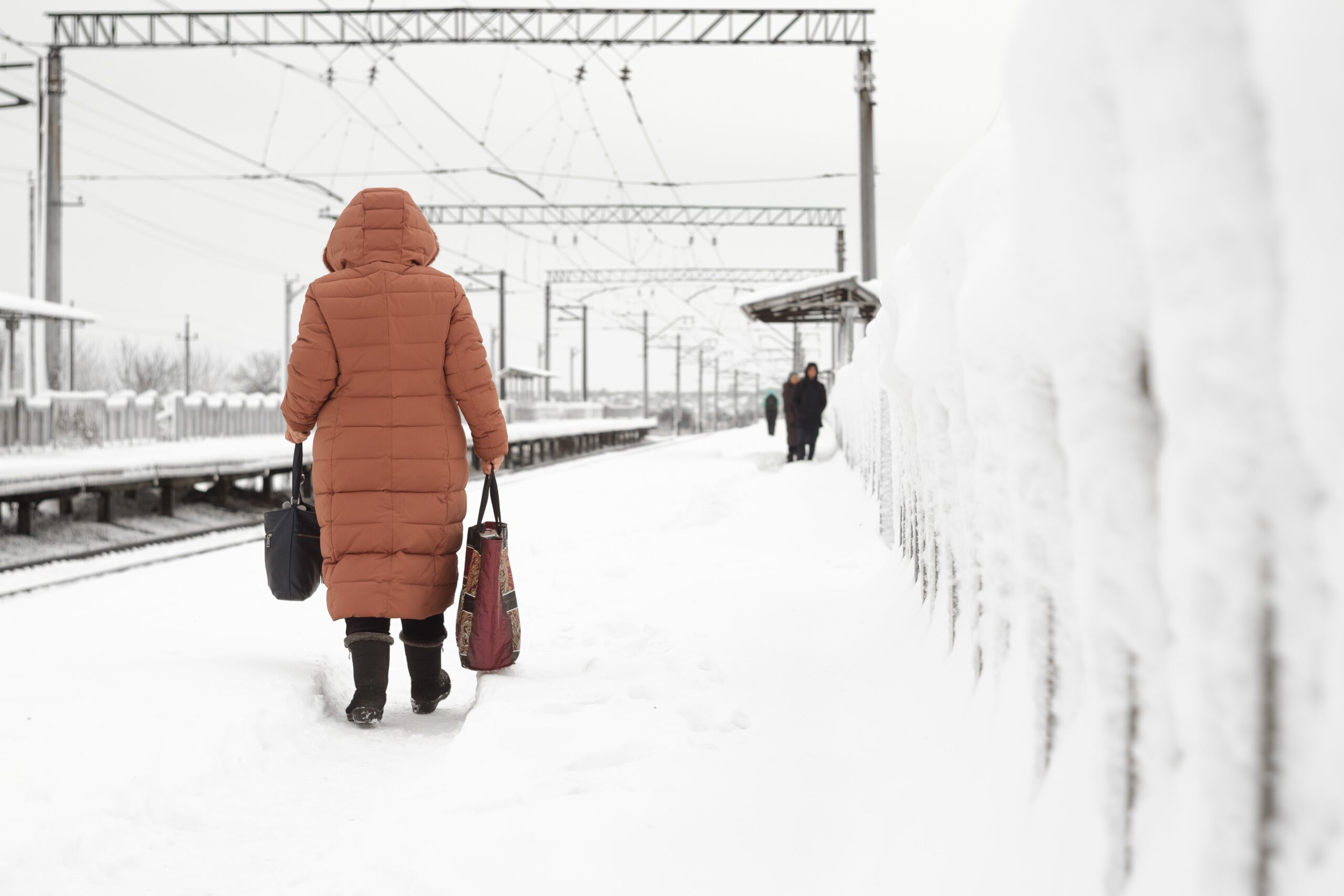
Cold weather coping mechanisms. Low temperatures are referred to as “cold weather,” and they can have a negative impact on public health, especially for vulnerable groups. In order to reduce the negative effects on health, it is necessary to have readiness and reaction methods, such as cold weather plans that include instructions on how to stay warm both indoors and outside.
COLD WEATHER COPING MECHANISMS
Making the most of natural light, being physically active, sticking to a regular schedule, and participating in social activities are all ways to deal with chilly weather and fight the winter blues. Important tactics include dressing in layers to be warm, maintaining a healthy diet, practicing relaxation methods like meditation, and taking up hobbies to lift your spirits.
Dress Warm;

Wearing warm clothing is the most straightforward approach to coping with severe weather. To protect yourself from the cold, layer your clothes, put on a hat, gloves, warm socks, and waterproof and insulated boots. Additionally necessary are thermal underwear outerwear. Several coping mechanisms to consider:
Stay Hydrated;
Since most individuals primarily think about staying hydrated during hot weather, this is a point that is frequently missed. It’s crucial to drink lots of fluids when the temperature drops because cold weather can also cause dehydration. Choosing warm liquids and limiting your intake of alcohol or caffeine might also help.
Stock High-Calorie Food On-Hand;

Food availability may be restricted in extremely cold temperatures. To keep yourself full and energized during the harsh winter, stock up high-calorie foods that take little to no cooking.
Prepare Your Home;
Make sure your house is adequately insulated by applying weatherstripping, caulking windows and doors, and sealing any drafts. Make sure your heating system is properly maintained, and think about keeping a portable heater.
Get Tools Ready for Cold Weather;

Cold weather coping mechanisms
Make sure you have the equipment you’ll need to deal with the cold like ice melt, snow shovels, and windshield scrapers. In addition, think about having a backup power supply in case the grid malfunctions.
Protect Your Extremities Outdoors;
Also, when engaging in intensely cold outdoor activities, protect exposed skin to reduce the chance of frostbite. Use hand and foot warmers and, if necessary, put on the proper safety equipment.
Wrap Up;

Cold weather coping mechanisms
However, preparation, awareness, and proactive tactics are necessary to survive extremely cold weather. You can better prepare for extreme cold weather by being aware of its causes and effects. The dangers of extremely cold weather can be reduced by wearing appropriately, drinking enough water, preparing ahead of time, and taking precautions to safeguard your house and yourself.
Know Where to Find Emergency Shelter if You Are Outdoors;
It is very important to know where the emergency shelters are located in your community in case you find yourself outside in extremely cold weather and cannot get home in time. Look into community centers, churches.
Summary
When coping with extremely cold weather, taking the appropriate precautions is crucial for one’s own safety and well being. The coping strategies listed below will help you.

Nivea body wash for men

Business maintenance

Athlete conviction of murder

A Step-by-Step Guide to Deleting Reels on Instagram

A Comprehensive Guide to Setting Up a YouTube Premiere

How to Create a WhatsApp Group
-

 Health4 weeks ago
Carbonated drinks side effects
-

 Business4 weeks ago
Smart ideas for business startups
-

 Deodorants4 weeks ago
Reasons for wearing deodorants
-

 Deodorants3 weeks ago
Reviewing tom ford oud
-

 Deodorants4 weeks ago
Review for saint laurent black
-

 Deodorants3 weeks ago
Varieties of perfumes for men