Poverty
World Poverty


World Poverty. Ten percent of the world’s population, or 831 million people, live in extreme poverty on less than $3 per day. The objective of eradicating severe poverty by 2030 is challenging to achieve because recent conflicts, climate shocks, and economic difficulties have slowed down progress in reducing global poverty.
WORLD POVERTY
The state of not having enough money, resources, or necessities—such as food, clean water, shelter, and medical care to sustain a respectable level of living is known as poverty. It has a significant impact on daily safety, education, and health, going well beyond low poverty.
1. Inequity;

Concern’s fundamental view of poverty is that it is a result of both danger and inequality. The idea of inequality is sufficiently simple to comprehend: It is the result of one group having fewer resources and rights due to a characteristic of their identity e.g., gender, caste, ethnicity, ability.
2. Conflict;
The biggest risk factor for putting an individual or family into poverty is conflict. An otherwise healthy economy might come to a complete standstill due to extensive and prolonged crises. Ten percent of Syrians were living below the poverty level before the conflict and the humanitarian disaster that followed started in 2011.
3. Malnourishment and hunger;

World Poverty
It’s a vicious cycle where hunger is a major contributor to poverty and poverty causes hunger. A person will not have the power and energy necessary to work if they don’t eat enough. As a result of malnutrition, their immune system will deteriorate, making them more vulnerable to illnesses that will hinder their ability to work. If they require continued treatment or a visit to the doctor, they can also incur further debt.
4. Inadequate medical facilities;
particularly for women and kids’ Extreme poverty and bad health are closely related to the impacts of hunger, as we have seen above. Easy-to-prevent and treat diseases like respiratory infections, diarrhea, and malaria can be deadly in nations with inadequate health systems. Particularly for small children.
5. Epidemics and public health emergencies;

World Poverty
Living in a nation where people lack access to basic healthcare is one thing, but what would happen if a pandemic or serious epidemic struck? Liberia and Sierra Leone saw GDP losses of 3.4% and 3.3%, respectively, during the first year of the West African Ebola outbreak, according to World Bank estimates. When these losses were added to Guinea’s 2.1% loss, the total came to around $1.6 billion. What is poverty?
Summary
For most of us, living on less than $2.15 per day seems unthinkable. It is the reality for about 700 million people worldwide, according to the most recent World Bank figures. Currently, 8.5% of the world’s population lives in poverty.


Different Types of Poverty. People in this situation of economic distress do not have access to resources that are essential for human survival, such as money and material belongings. As a result, poverty is a multifaceted concept with social, economic, and political aspects.
DIFFERENT TYPES OF POVERTY
Severe challenges brought on by poverty include poor health, malnourishment, illiteracy, and daily stress related to survival. It shortens life expectancy, restricts employment opportunities, and keeps families in generational cycles of poverty.
1. Absolute poverty

Also, the lack of access to basic necessities like food, clean water, housing, healthcare, education, and information is referred to as absolute poverty, extreme poverty, or abject poverty. Absolute poverty is associated with hardship and a high rate of child mortality from avoidable illnesses like cholera, malaria, and illnesses linked to water contamination. Generally speaking, absolute poverty is rare in wealthy nations.
2. Relative Poverty
This term is defined from a social point of view as the living standard in relation to the economic standards of the local populace. As such, it serves as a gauge of income disparity. The fraction of the population that earns less than a predetermined percentage of the median income is typically used to calculate relative poverty.
3. Situational Poverty

Different Types of Poverty
This sort of poverty is transient and is caused by unfavorable events such as natural disasters, job loss, and serious health issues. Even with a little aid, people can help themselves because poverty is the result of terrible events.
4. Generational Poverty
However, it is passed on from generation to generation to families and individuals. Because people are stuck in its cause and unable to get the necessary tools to escape, this is even more difficult because there is no way out.
5. Poor Living Conditions in Rural Areas

Different Types of Poverty
It happens in remote locations where fewer than 50,000 people live. It is the region with fewer employment options, fewer service accessibility points, fewer opportunities for high-quality education, and less assistance for people with disabilities. People typically rely on farming and other manual labor that is available in their surroundings to support themselves. e annually.
6. Urban Poverty
This condition affects cities with a population of 50,000 or more. The urban poor encounter the following significant obstacles: • Limited educational and health opportunities. • Insufficient housing and services. • An unpleasant and violent environment due to congestion. • There is little to no social safety net.
Summary
Based on how people live, how long it lasts, and where it occurs, poverty is categorized into several forms. Absolute, relative, situational, and generational poverty are the primary types.
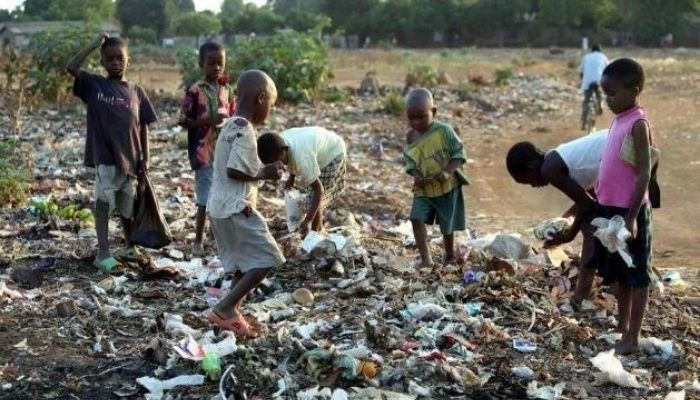
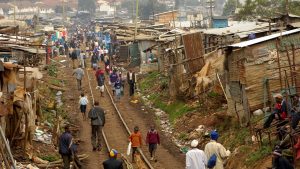
Poverty. Absolute (extreme deprivation) and relative (below societal standards) are two types. It is the state of not having enough money or necessities for a minimum standard of living, such as food, clean water, shelter, healthcare, and education. It manifests as an inability to meet basic human needs and fully participate in society. Although it is sometimes assessed by income levels (such as the World Bank’s <$2.15/day, it is a complicated issue driven by variables including unemployment, inequality, and conflict that result in poor health, limited prospects, and social exclusion.
POVERTY
Malnutrition, poor physical and mental health, developmental problems in children, reduced educational achievement, increased stress, and cycles of adversity are just a few of the serious and interrelated consequences of it. It contributes to homelessness, increased crime, social marginalization, shortened life expectancy, that lasts for generations by restricting access to high-quality healthcare, education, and resources.
1. Absolute poverty;
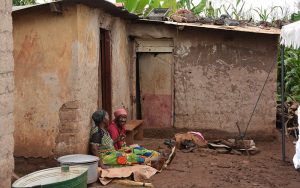
The lack of access to basic necessities like food, clean water, housing, healthcare, education, and information is referred to as absolute, extreme, or abject poverty. It is associated with hardship and a high rate of child mortality from avoidable illnesses like cholera, malaria, and illnesses linked to water contamination. Generally speaking, absolute poverty is rare in wealthy nations.
2. Relative Poverty;
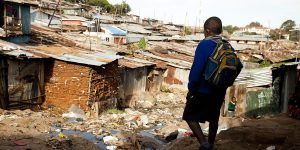
poverty
This term is defined from a social point of view as the living standard in relation to the economic standards of the local populace. As such, it serves as a gauge of income disparity. The fraction of the population that earns less than a predetermined percentage of the median income is typically used to calculate it.
3. Situational Poverty;
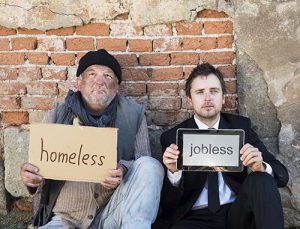
poverty
This type is transient and is caused by unfavorable events such as natural disasters, job loss, and serious health issues. Even with a little aid, people can help themselves because it is the result of terrible events.
4. Generational Poverty;

It is passed on from generation to generation to families and individuals. Because people are stuck in its cause and unable to get the necessary tools to escape, this is even more difficult because there is no way out.
5. Poor Living Conditions;
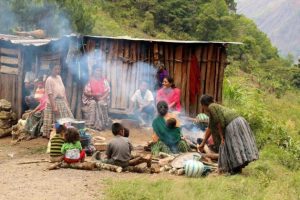
poverty
It happens in remote locations where fewer than 50,000 people live. It is the region with fewer employment options, fewer service accessibility points, fewer opportunities for high-quality education, and less assistance for people with disabilities. People typically rely on farming and other manual labor that is available in their surroundings to support themselves. e annually.
6. Urban Poverty;
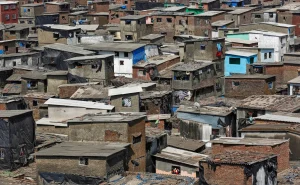
poverty
Also, this condition affects cities with a population of 50,000 or more. The urban poor encounter the following significant obstacles: • Limited educational and health opportunities. • Insufficient housing and services. • An unpleasant and violent environment due to congestion. • There is little to no social safety net.
Summary
People in this situation of economic distress do not have access to resources that are essential for human survival, such as money and material belongings. As a result, poverty is a multifaceted concept with social, economic, and political aspects.

Part-Time Jobs

Analysis of Child Exploitation

Different Types of Poverty

A Step-by-Step Guide to Deleting Reels on Instagram

A Comprehensive Guide to Setting Up a YouTube Premiere