Reading
Advantages of Graphic Novels


ADVANTAGES OF GRAPIC NOVELS
Advantages of graphic novels. In literary circles, graphic novels are not given enough credit because they are sometimes written off as “comic books” for children or light reading that are not worthy of intellectual appreciation. But as readers, academics, and educators come to appreciate their special and significant advantages, this view quickly shifts.
ADVANTAGES OF GRAPHIC NOVELS
Graphic novels are more than just picture books; they are a comprehensive reading experience that appeals to a broad readership. In contrast to children who did not read graphic novels, “children who read graphic novels in their free time were twice as likely to like reading more overall and evaluated themselves as competent readers,” according to a National Literacy Trust poll.
1. Improving Vocabulary and Understanding

Reading comprehension and vocabulary are greatly improved by graphic novels. Readers can better understand complex storylines when textual and visual storytelling are combined. Additionally, readers have the ability to deduce meaning from both the text and the pictures. As the plot of the story unfolds, readers examine the words and images. For readers who struggle with reading or are learning a second language, the images’ visual context makes it easier for them to understand the plot and character motivations.
2. A Wide Range of Representation
Diverse stories and characters that represent different cultures and experiences are common in graphic novels. For readers who recognize themselves in the stories they read, this portrayal can be empowering. Readers can investigate other viewpoints and histories through graphic novels such as “March,” which tells the story of the Civil Rights Movement through the eyes of John Lewis.
3. Emotional Connectivity
A strong emotional bond with the plot and characters is made possible by the visual component of graphic novels. Emotions may be powerfully communicated to readers through the mix of discourse and evocative artwork. Readers may have a more engaging reading experience as a result, feeling closer to the story and its characters.
4. Developing Your Critical Thinking Skills

Integrating textual and visual literacy is necessary for reading graphic novels, and doing so helps improve critical thinking abilities. The way words and images interact, the panels’ order, and the visual clues that direct the story must all be deciphered by readers. In the digital age, where information is frequently communicated through text and images, this multimodal kind of literacy is becoming more and more significant.
5. Assistance for ESL Students
For students learning English as a second language, graphic books are especially beneficial. These children find it easier to comprehend complex language patterns and new vocabulary thanks to the visual context that the visuals provide. By using visual cues that facilitate comprehension, graphic novels have been shown to enhance language acquisition and reading comprehension in ESL environments.
6. Encouragement of Creative Expression

Graphic books can serve as a creative outlet and motivation for aspiring authors and artists. In addition to writing, the process of making a graphic book also entails planning, composing, and drawing the story’s visual structure. Students may be inspired to explore new storytelling techniques and hone their artistic abilities as a result.
Summary
There are several advantages to reading graphic novels, making them a worthwhile activity. They engage a variety of readers, improve vocabulary and comprehension, and encourage creativity and critical thinking. As teaching aids, they simplify and captivate difficult subjects. Furthermore, they are a potent storytelling medium due to their capacity to tackle profound and intricate subjects. It’s time to embrace graphic novels’ potential to improve everyone’s reading experience because they provide a distinctive viewpoint on literature and education.


Reading advantages. The cognitive process of decoding written symbols (such as letters and words) to comprehend meaning is known as reading. It is an essential skill for learning, communication, and entertainment. It involves word recognition, comprehension, and fluency and has advantages like reduced stress, enhanced focus, and knowledge acquisition. It entails actively creating meaning from text and can be done silently or out loud, for entertainment, education, or as an event (recital).
READING ADVANTAGES
Reading has several advantages, such as lowering stress, sharpening focus and memory, increasing empathy and cognitive abilities like critical thinking, increasing vocabulary, improving sleep, and offering information and mental stimulation that may even prevent dementia. It’s an effective instrument for communication, mental health, and personal development that increases your knowledge and emotional intelligence.
1. It makes your brain stronger;

According to research, reading can strengthen the white matter in the corpus callosum, remodel your brain, and form new neural networks. These changes improve communication between the two hemispheres of the brain. This enables you to learn more quickly by processing information more effectively. Additionally, they discovered that reading, especially when you’re listening to someone read aloud, improves your visual and aural understanding. Reading can lower your stress levels by as much as 68%.
2. Reduces Stress;

Reading for just six minutes can cause your blood pressure to drop, your muscles to relax, and your heart rate to calm. Research indicates that reading for thirty minutes a day has a significant impact on the physical symptoms of stress, which is important.
3. Broadens Your Understanding;
Also, in this digital age, it could be simple to assume that YouTube videos are the only source of helpful knowledge. The reason reading is important is that if you can read, you can learn anything about anything.
4. Fosters Innovation and Imagination;

Reading advantages
However, reading allows you to develop your own creative universe. Your occipital lobe, the part of your brain in charge of processing visual information, is active while you read. When reading fiction, this works especially well since it helps you picture the settings and characters the author is describing. You’re using your imagination to bring an abstract idea to life.
3. Enhances Retention;
Meanwhile, a strong memory is a great advantage in our fast-paced society. Time, money, and most importantly, relationships, can be lost if you forget crucial details like customer names, work projects, or after-school activities.
4. Boosts Focus;

Reading advantages
Although, setting aside time for uninterrupted reading helps you strengthen your concentration and focus. You’re rewarding focus rather than distraction the longer you stay interested in the reading. This can help you focus on daily duties more easily by extending your attention span.
Summary
Alsso, social media, streaming apps, and the Internet may seem like clichés, but they have been a welcome distraction for many people who are overworked and stressed. Additionally, anyone who want to access news, stories, and other reading material that has been distilled into digestible portions can do so through a variety of digital platforms.


Relevance of a bookworm. A person who enjoys reading and collecting books on a regular basis is known as a bookworm or bibliophile. The love of books is known as bibliophilia or bibliophilism. Large, specialized book collections may be possessed by bibliophiles. Old editions, signed copies, or embellished versions can be quite valuable to them. Bibliomania, a compulsive passion with collecting books that can negatively impact relationships with others or one’s health, is not the same as bibliophilia.
RELEVANCE OF A BOOKWORM
The significance of a bookworm is found in their deep knowledge, emotional intelligence, and improved cognitive abilities, which make them critical thinkers, compassionate people, and lifelong learners who benefit from lower stress and better focus. They also offer valuable perspectives in a complex world by comprehending diverse cultures, challenging presumptions, and gaining wisdom from countless experiences, as supported by studies demonstrating improved social skills and brain health.
Book’s Power;

RELEVANCE OF A BOOKWORM
Also, books are windows into other worlds, concepts, and viewpoints. They offer insights that have the power to change our behavior and way of thinking because they are compiled with the wisdom of generations.
Relevance;
1. Mental Acrobatics Understanding the words written on a page is not the only aspect of reading. Making connections between the dots or attempting to predict the next narrative twist will help you improve your cognitive and critical thinking abilities.
2. The Extension of Empathy Bookworms can see into unusual experiences and emotional states through reading, just like they can through any doorway to a magical world.

RELEVANCE OF A BOOKWORM
3. stress reduction. Reading is not only good for your brain and soul, but it’s also a way to reduce your stress and anxiety!
4. Sleeping Sanctuary. Having a bedtime reading ritual is as important as your skincare routine. Reading before you go to sleep is like giving yourself the perfect break from everyday troubles, thus improving your quality of sleep exponentially.
5. The Vocabulary Vault;

RELEVANCE OF A BOOKWORM
The best way to increase your vocabulary and become fluent in a foreign language is to read. The ideal environment for a bookworm is Words with Friends and Scrabble nights.

RELEVANCE OF A BOOKWORM
6. Interaction with Others Although some of our most treasured pals will always be our favorite characters, nothing compares to having a genuine conversation with your literary bestie. Any group can bond through shared reading interests or through reading the same books.
Summary
Knowledge has become the new currency of success in an era of abundant information. However, in the midst of the digital noise and distractions, the ability to be a bookworm seems to be disappearing. As Simon Sinek once said, “Leaders are readers,” highlighting the important impact that a love of reading and lifelong learning can have on both professional and personal development.
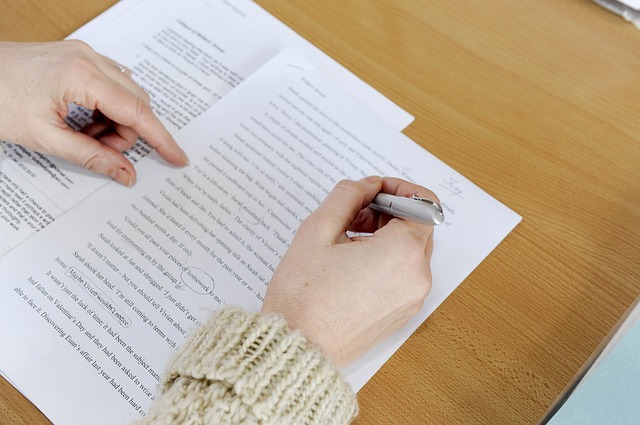
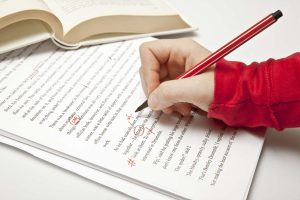
Tips for successful proofreading. Successful proofreading involves avoiding distractions and taking a break before beginning to obtain a new viewpoint. Use strategies such as reading your material aloud, reading it backwards, or copying it out on paper with a ruler to concentrate on one line at a time. Read your content slowly and attentively. Have someone else proofread it, if at all feasible, and check each pass for one kind of error (such as a spelling or grammar mistake).
TIPS FOR SUCCESSFUL PROOFREADING
Proofreading is a key skill in the realm of writing and publishing. A competent proofreader can carefully check written material for mistakes, has a strong command of language and punctuation, and has an excellent eye for detail. This tutorial will give you the necessary steps to become a proficient proofreader, regardless of whether your goal is to begin a career as a professional or hone your proofreading abilities for personal projects.
1. Develop Strong Language Skills;

A successful proofreader must have a strong command of the language they are proofreading. This includes a solid understanding of grammar, punctuation, spelling, and style conventions. Invest time in studying grammar rules, reading widely, and expanding your vocabulary to enhance your language skills.
2. Practice Regularly;
Like any skill, proofreading improves with practice. Set aside dedicated time to practice proofreading various types of content, such as articles, essays, reports, and marketing materials. Start with shorter pieces and gradually work your way up to longer, more complex documents.
3. Familiarize Yourself with Style Guides;

Different publications and organizations follow specific style guides, such as the Associated Press (AP) Stylebook or the Chicago Manual of Style. Familiarize yourself with these style guides and their rules to ensure consistency and accuracy in your proofreading work.
4. Use Tools and Resources;
Take advantage of proofreading tools and resources to streamline your workflow and catch errors more efficiently. Grammar checking software, spell checkers, and online style guides can help you identify and correct common mistakes. However, remember that these tools are aids and should not replace manual proofreading.
5. Develop Attention to Detail;
TIPS FOR SUCCESSFUL PROOFREADING
Successful proofreaders have a meticulous attention to detail and can spot even the smallest errors in written content. Train yourself to review text word by word, line by line, and pay close attention to spelling, punctuation, formatting, and overall coherence.
6. Learn to Edit and Provide Constructive Feedback;
In addition to spotting errors, a successful proofreader should also be able to edit content for clarity, coherence, and consistency. Learn how to provide constructive feedback to writers, suggesting revisions and improvements to enhance the quality of the content.
7. Build a Portfolio;

TIPS FOR SUCCESSFUL PROOFREADING
As you gain experience and confidence in your proofreading skills, start building a portfolio of your work. Include samples of documents you have proofread, along with any testimonials or recommendations from satisfied clients or employers. A strong portfolio will showcase your abilities and help you attract new clients or employment opportunities.
8. Network and Seek Feedback;
Networking with other professionals in the writing and publishing industry can open doors to new opportunities and provide valuable feedback on your work. Join online forums, attend industry events, and participate in networking groups to connect with fellow proofreaders and potential clients.
9. Stay Updated;

TIPS FOR SUCCESSFUL PROOFREADING
The writing and publishing industry is constantly evolving, with new technologies, trends, and style conventions emerging regularly. Stay updated on industry news, developments in language usage, and changes to style guides to ensure your skills remain relevant and up-to-date.
10. Pursue Continuing Education;

TIPS FOR SUCCESSFUL PROOFREADING
Consider pursuing additional training or certification in proofreading to further enhance your skills and credentials. There are numerous online courses, workshops, and certification programs available to help you refine your proofreading abilities and advance your career.
Summary
It takes effort, repetition, and a dedication to lifelong learning and development to become a proficient proofreader. You can become an expert proofreader and start a fulfilling profession in writing and publishing by honing your language abilities, practicing frequently, learning style guides, utilizing tools and resources, and assembling a portfolio.

Holidays and Vacations

Bilingual Education Impacts

Career Tips

A Step-by-Step Guide to Deleting Reels on Instagram

How to Create a WhatsApp Group