Skincare
Allantoin

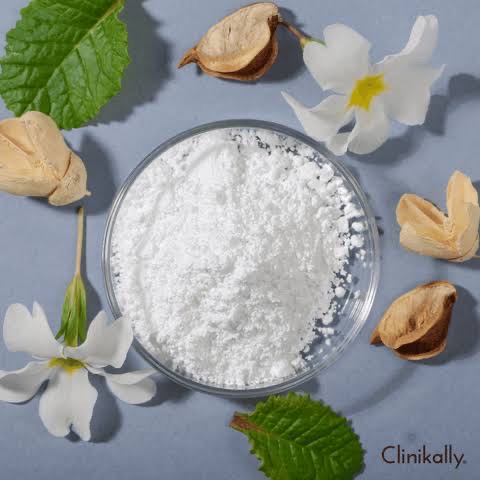
In the vast world of skincare, finding ingredients that offer a blend of efficacy and gentleness can be a game-changer. One such ingredient that has steadily gained acclaim is allantoin. Known for its soothing, healing, and moisturizing properties, allantoin is a versatile addition to any skincare routine. Let’s delve into the remarkable benefits of allantoin and understand why it deserves a spot on your bathroom shelf.
1. Healing Properties
Allantoin is celebrated for its potent healing capabilities. It encourages the growth of new tissue, making it an excellent ingredient for promoting skin repair. This is particularly beneficial for individuals dealing with minor injuries, burns, or surgical scars. By accelerating the healing process, allantoin helps to reduce the appearance of scars and enhances the overall health of the skin.
2. Soothing Irritation
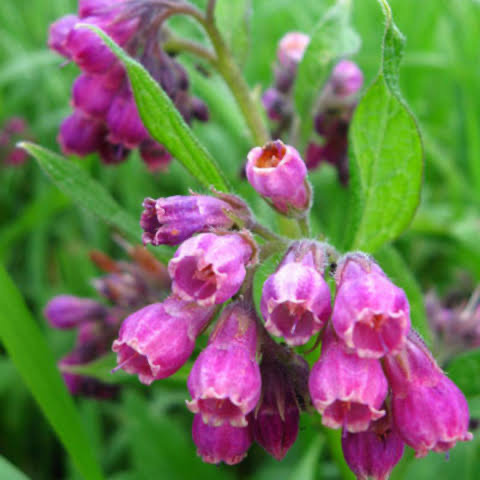
Skin irritation can result from various factors, including environmental aggressors, harsh skincare products, and certain medical conditions. Allantoin has anti-inflammatory properties that help to calm and soothe irritated skin. It can effectively reduce redness and discomfort, providing relief for conditions like eczema, psoriasis, and contact dermatitis. For those with sensitive skin, allantoin offers a gentle solution to manage irritation without causing further harm.
3. Moisturizing Effects
Dry, flaky skin is a common concern that can lead to discomfort and an uneven complexion. Allantoin is a powerful moisturizer that helps to retain water in the skin, keeping it hydrated and smooth. Its humectant properties attract moisture to the skin, while its emollient effects help to create a protective barrier that prevents moisture loss. This dual action ensures that the skin remains supple and hydrated, even in harsh weather conditions.
4. Gentle Exfoliation
Exfoliation is essential for maintaining vibrant, healthy skin, but many exfoliants can be too harsh, particularly for sensitive skin. Allantoin offers gentle exfoliating benefits by promoting the shedding of dead skin cells. This helps to reveal fresher, smoother skin beneath without causing irritation. Regular use of allantoin can result in a more even skin tone and a reduction in the appearance of fine lines and wrinkles.
5. Anti-aging Benefits
Aging skin requires ingredients that can provide both hydration and repair. Allantoin fits the bill perfectly. Its ability to promote cell regeneration and retain moisture makes it an effective anti-aging ingredient. By supporting the skin’s natural repair processes and maintaining hydration levels, allantoin helps to reduce the appearance of fine lines and wrinkles, giving the skin a more youthful and radiant look.
6. Suitable for All Skin Types
One of the standout features of allantoin is its versatility. It is suitable for all skin types, including the most sensitive and reactive. Unlike some active ingredients that can cause irritation or allergic reactions, allantoin is well-tolerated by most individuals. Its non-irritating nature makes it a reliable choice for those looking to enhance their skincare routine without the risk of adverse effects.
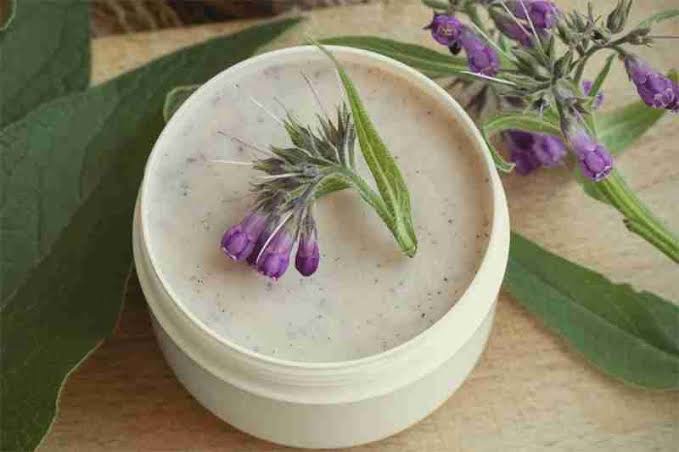
Allantoins are powerhouse ingredient that brings multiple benefits to the table. From its healing and soothing properties to its moisturizing and anti-aging effects, allantoin offers comprehensive care for the skin. Whether you’re dealing with dryness, irritation, or the signs of aging, incorporating allantoin into your skincare regimen can lead to noticeable improvements.
In the ever-evolving world of skincare, allantoins stands out as a trusted and effective ingredient. Its gentle yet powerful properties make it a valuable addition to any skincare routine, ensuring that your skin remains healthy, hydrated, and radiant. With allantoins, you can achieve a complexion that not only looks good but feels good too.



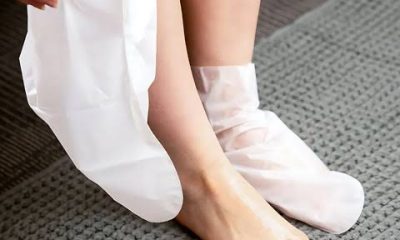



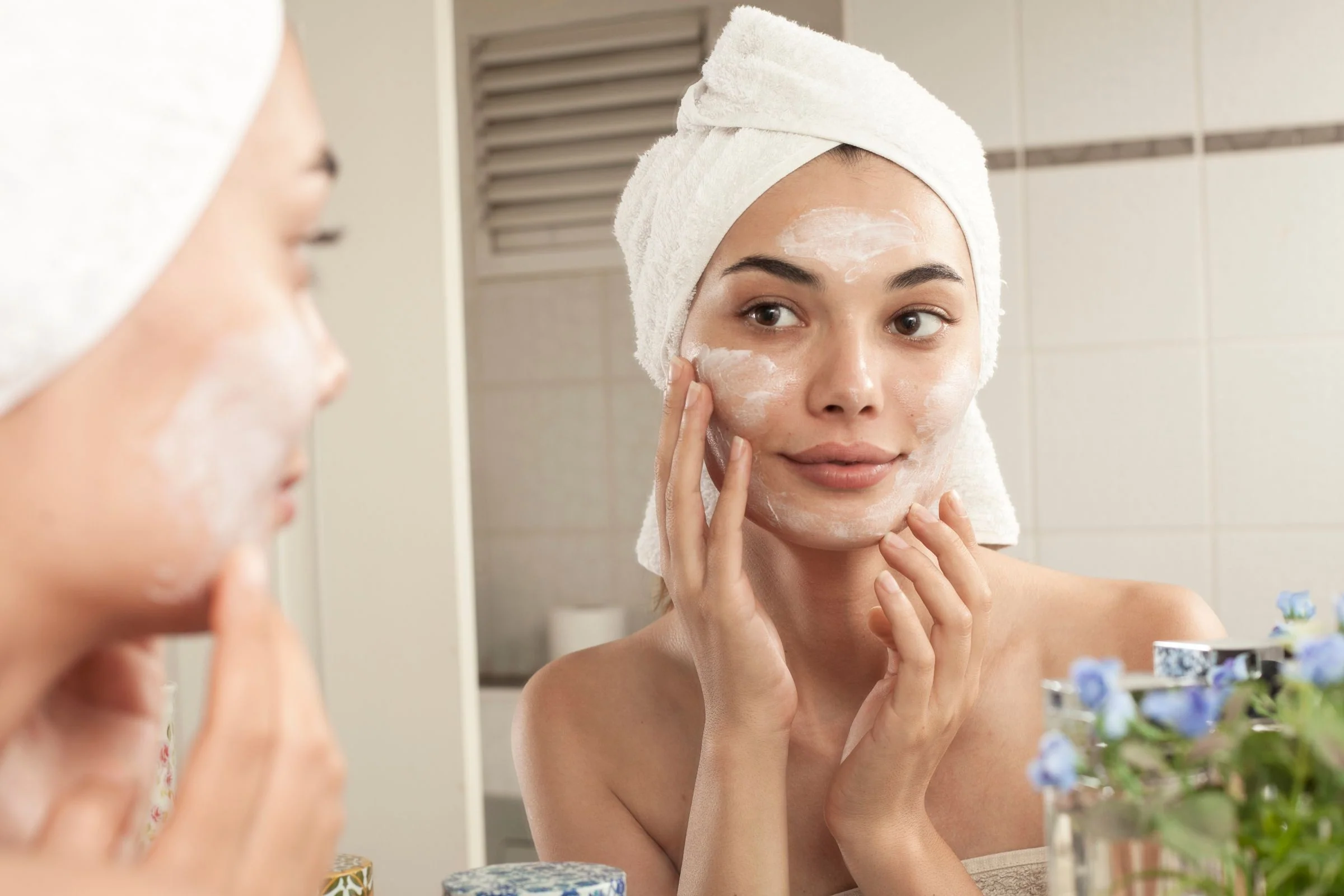
Skincare Routine Maintenance Tips. Regardless of your skin type, a regular skin care routine can help you keep your skin healthy generally and address specific issues like dark spots, scars, and acne. Do you really know what your skin type is? You might think you have sensitive, oily, or dry skin. The next time you’re in the cosmetics department, it could be helpful to know your true skin type. Acne, dryness, and other skin problems can be made worse by using the incorrect products or even well-known online advice for your skin type.
SKINCARE ROUTINE MAINTENANCE TIPS
Keep up your skincare regimen by using a broad-spectrum sunscreen with SPF 30 or higher every morning, layering products from thinnest to thickest, and gently cleaning twice a day. Maintaining a strong and healthy skin barrier requires consistency and sensitive care.
Creating a Daily Routine;
A daily skincare routine consists of four fundamental stages that you can complete once in the morning and once before bedtime.
1. Cleansing: Use a cleanser that does not leave your skin tight after washing. Clean your face at most twice a day, or once if you have dry skin, and don’t apply makeup.
2. Serums:
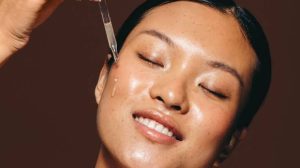
Apply a serum containing vitamin C, growth factors, or peptides in the morning beneath sunscreen. Retinol or prescription retinoids are more effective at night
3. Moisturizer: Even oily skin requires moisturizer; however, choose one that is lightweight, gel-based, non-comedogenic, or does not clog your pores. Dry skin may benefit from using more cream-based moisturizers.
4. Sunscreen:
Skincare Routine Maintenance Tips
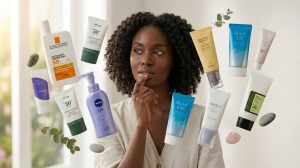
Apply sunscreen with a minimum SPF of 30 to 15 minutes before going outside, as sunscreen takes time to activate. Darker skin tones require extra sun protection because hyperpigmentation is harder to treat. Begin with a basic, uncomplicated routine to see how your skin reacts. Once you’re at ease, you can add additional products like exfoliants, masks, and spot treatments to help your skin’s health.
How to Treat Skin Problems;
Skincare Routine Maintenance Tips
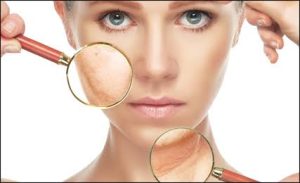
There are ways to treat skin problems without harming your skin. Just remember the first rule of skin care: don’t pick. Picking at pimples, blackheads can result to skin problems.
Summary
The everyday practice of washing, softening, and protecting your skin to maintain its health and brightness is known as skincare. A moisturizing moisturizer, a mild face wash, and daily sun protection are necessary for a basic daily routine.

Routine Anti-Aging Skincare. Sun protection, hydration, and active substances that increase collagen and cell turnover are essential components of a successful anti-aging regimen. To avoid UV-induced damage, which accounts for up to 80% of visible aging, dermatologists advise using a broad-spectrum SPF 30+ every day. To brighten the skin and minimize wrinkles, use a retinol at night with a vitamin C serum in the morning.
ROUTINE ANTI-AGING SKINCARE
Our skin changes as we age, so we often need to adjust our skincare routine to maximize the effectiveness of our products. We’ve put together a guide with the best ingredients, high-performing products, and expert guidance to help you address skin issues like wrinkles, increased dryness, loss of elasticity, and fine lines.

What are the Essential Components?
Take into account these widely used anti-aging skincare products when creating your regimen to help you tackle frequent issues. The vitamin A derivative retinol helps lessen the visibility of wrinkles, fine lines, and uneven skin tone. Vitamin C: As a potent antioxidant, vitamin C can help shield your skin from harmful free radicals when administered topically.
Routine;
1. Make use of a mild cleaner Every age group must practice daily cleansing, and the first step in providing the finest face care for aging skin is selecting a gentle cleanser.
2. Use an exfoliant frequently There are numerous advantages to using this on your skin, including clearing your pores, reducing the accumulation of dead skin cells, and encouraging the appearance of radiant, new skin.

Routine Anti-Aging Skincare
3. Use a concentrated face serum. After cleansing and/or exfoliating your skin, use a serum for your face. If you have any particular worries about aging, these recipes are excellent for addressing them.
4. For under-eye issues, apply an eye cream. Regardless of age, you also need to take care of the sensitive skin beneath your eyes. Search for a nourishing eye cream recipe that can assist in treating the obvious indications of aging around your eyes, like bags under your eyes and dark circles.
5. Apply moisturizer often Since mature skin is typically dry, the best course of action is usually a rich, profoundly moisturizing moisturizer.

Routine Anti-Aging Skincare
6. Also, Examine a facial oil. Depending on the formula you select, facial oils can be applied as the sixth step in your anti-aging treatment, following moisturizer. How do I prevent skin cancer?
Summary
The four main components of a basic daily skincare regimen are washing to eliminate pollutants, wearing sunscreen to prevent UV damage, moisturizing to hydrate, and treating with serums. To get healthy, radiant skin, customize these products to your particular skin type (oily, dry, or combo).

Glowing Skin Tips. It’s essential for radiant skin. Many people want to accomplish this. While some people aspire to have luminous skin for cosmetic reasons, others see it as an outward sign of health.There are several methods to improve the skin’s brightness.To improve the health of their skin, people might make dietary and lifestyle changes.There are also several skincare and cosmetic items that can give the appearance of glowing skin.
GLOWING SKIN TIPS
Locking in moisture on damp skin, protecting with daily SPF, and applying brightening serums like Vitamin C in the morning are all ways to get glowing skin. Internally, consume foods high in antioxidants, such as leafy greens and berries, drink eight to ten glasses of water each day, and get seven to eight hours of good sleep.
Definition;

Healthy-looking skin is usually referred to as glowing skin. A person can attempt skin care products and lifestyle modifications, such as getting enough sleep and eating a balanced diet, to get radiant skin.
Tips;
1. Also, tidy up Products for cleaning aid in clearing the skin of debris,
makeup, and extra oil. Selecting a mild cleanser has a pH balance, and doesn’t include any harsh chemicals or soap is crucial.
2. Although, hydrating Moisturizing products hydrate the skin.
To seal moisture in the skin, the American Academy of Dermatology advises using a moisturizer right away after cleansing for optimal effects.

Glowing Skin Tips
3. Meanwhile, sun defense UV light; is found in sunlight and can result in burning, sun damage, and outward symptoms of aging.
However, using sunscreen before venturing outside is a simple method of lowering the danger.
For More Tips;
4. Meanwhile, additional goods Various products can aid in achieving healthy skin, contingent on an individual’s particular skin conditions.
Chemical exfoliants, for instance, are widely used products that remove the outermost layer of skin cells to reveal new ones beneath. These can help people’s skin look and feel better.

Glowing Skin Tips
5. However, cutting Shaving dermatitis, ingrowing hairs, and discomfort are all common side effects of hair removal.
To steer clear of this: Wet the skin and hair; lubricate the skin with a shaving cream or balm; and use a clean. different skin types.
Summary
Combine healthy behaviors with a regular skincare regimen to achieve radiant skin. Cleanse twice a day, lighten dark spots with a vitamin C serum, and seal in moisture with a hyaluronic acid moisturizer. Wear SPF 30 or higher every day, and drink plenty of water from within.

Earth Frozen Frontiers

Natural Majestic Wonders

Daily Life Hacks

A Step-by-Step Guide to Deleting Reels on Instagram

A Comprehensive Guide to Setting Up a YouTube Premiere