Health
Analyzing contraceptives and weight gain

Analyzing contraceptives and weight gain. The majority of contemporary contraceptives do not significantly increase body weight. While oral contraceptives, hormonal IUDs, and implants have little to no effect on weight for the majority of users, injectable contraceptives like Depo-Provera have the largest correlation with weight gain. It’s crucial to talk about any worries with a medical professional, who can assist in selecting the best type of contraception depending on personal preferences and health requirements.
ANALYZING CONTRACEPTIVES AND WEIGHT GAIN
Concerns about the connection between weight gain and contraception are widespread. However, the data differs according on the kind of contraceptive that is being used. The possible effects of various contraceptives on weight are examined in further detail below:
1. Oral Contraceptive Pills;


Evidence: Studies have shown mixed results. Most research indicates that combined oral contraceptives (containing both estrogen and progestin) do not cause significant weight gain. Some women may experience slight weight changes due to fluid retention or hormonal fluctuations, but these changes are generally minimal.
Summary: Significant weight gain is not a common side effect of oral contraceptives.
2. Injectable Contraceptives;
Evidence: Some studies have found that Depo-Provera (an injectable contraceptive containing progestin) is associated with weight gain in a subset of users. The average weight gain can be around 5-10 pounds over the first couple of years of use.
Summary: Injectable contraceptives are more likely to be associated with weight gain compared to other forms.
3. Hormonal IUDs;
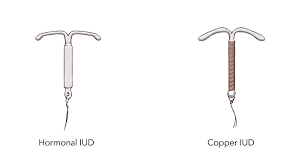

Evidence: Hormonal IUDs release localized hormones (levonorgestrel) in the uterus, and systemic absorption is minimal. Studies generally do not show significant weight gain with hormonal IUDs.
Summary: Hormonal IUDs are not commonly associated with weight gain.
4. Non-Hormonal IUD;
Evidence: The copper IUD (ParaGard) is non-hormonal and does not affect weight.
Summary: Non-hormonal IUDs do not cause weight gain.
5. Contraceptive Implants;


Analyzing contraceptives and weight gain
Evidence: Some users of contraceptive implants may experience weight gain, though the amount and prevalence vary. Studies suggest that any weight changes are generally modest and not significantly different from the general population’s weight changes.
Summary: Contraceptive implants may be associated with slight weight gain in some users.
Factors Influencing Weight Changes;

Analyzing contraceptives and weight gain
– Individual Variation: Responses to contraceptives can vary widely among individuals. Some may experience weight changes, while others may not.
– Diet and Lifestyle: Weight gain can also be influenced by factors unrelated to contraceptive use, such as changes in diet, physical activity, stress, and overall lifestyle.
– Hormonal Sensitivity: Some individuals may be more sensitive to hormonal changes, which could potentially affect appetite and metabolism.
Summary
According to scientific data, the majority of contemporary contraceptives do not significantly or permanently increase body fat. Oral pills, patches, and IUDs are generally weight-neutral, although the progestin-only injection is associated with a little increase in weight. Fluid retention is usually the cause of any early weight changes on the scale.