Health
Antiseptics: Infections Preventer

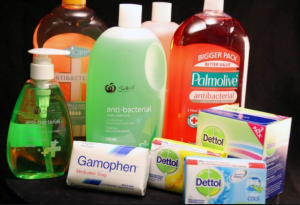

Antiseptics: infections preventer. They are crucial instruments for managing and preventing infections. by being aware of their varieties and proper applications. They can be successfully incorporated into your hygiene regimen to preserve health and stop the spread of infections. Antiseptics are essential for creating a cleaner, safer environment, whether they are used for wound care, hand hygiene, or surgical preparation.
ANTISEPTICS: INFECTIONS PREVENTER
Meanwhile, antiseptics are antimicrobial agents that are applied to living tissue in order to stop or limit the growth of germs and lower the risk of infection. They are applied to the skin and mucous membranes to clean wounds and get the skin ready for treatments. Antiseptics are distinct from antibiotics, which act within the body, and disinfectants, which are applied to inanimate things.
Importance;
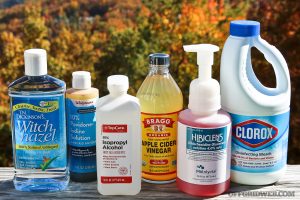

Also, antiseptic play a crucial role in healthcare and daily hygiene. They are commonly used to:
– Prevent Infection: By reducing the number of microorganisms on the skin, antiseptics help prevent infections, especially in wounds and surgical sites.
– Promote Healing: Keeping wounds clean with antiseptics aids the natural healing process.
– Reduce the Spread of Pathogens: Regular use of antiseptics can help control the spread of infectious diseases, particularly in healthcare settings.
Types;
1. Alcohol-Based Antiseptics:
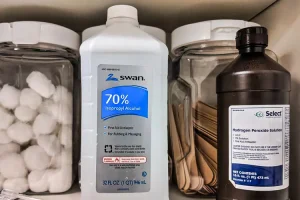
– Ethanol and Isopropanol: These are widely used due to their rapid action against bacteria, viruses, and fungi. Commonly found in hand sanitizers and disinfectant wipes, alcohol-based antiseptics are effective for quick skin disinfection.

2. Chlorhexidine:
– Known for its long-lasting antimicrobial effects, chlorhexidine is often used in surgical scrubs, mouthwashes, and wound dressings. It’s effective against a broad range of bacteria and some viruses and fungi.
3. Hydrogen Peroxide:
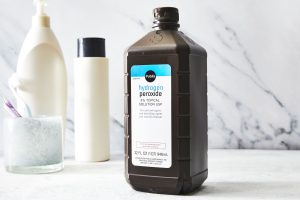
– A mild antiseptic, hydrogen peroxide is used for cleaning wounds and as a mouth rinse. It works by releasing oxygen, which causes foaming that helps remove dead tissue and cleanse the area.

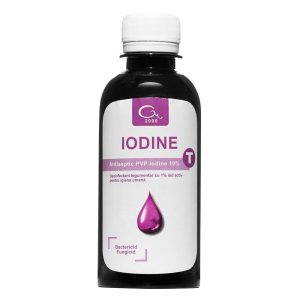
4. Iodine-Based Antiseptic:

ANTISEPTICS: INFECTIONS PREVENTER
– Povidone-Iodine: This antiseptic is effective against a wide variety of pathogens, including bacteria, viruses, and fungi. It is commonly used for preoperative skin preparation and in the treatment of minor wounds.
5. Phenolic Compounds:
– Phenol and its derivatives, such as hexachlorophene, are used in some surgical scrubs and antiseptic soaps. They have strong bactericidal properties but are generally less common due to potential skin irritation.
Common Uses;

ANTISEPTICS: INFECTIONS PREVENTER
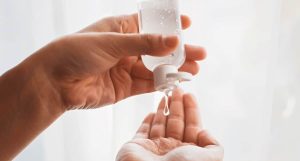
– Wound Care:
– Antiseptics are used to clean cuts, abrasions, and minor burns, helping to prevent infection and promote healing.
– Preoperative Skin Preparation:
– Before surgical procedures, antiseptics are applied to the skin to reduce the risk of infection.
– Hand Hygiene:
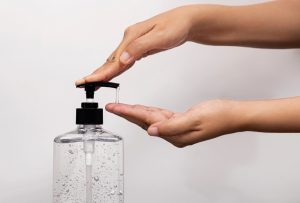

– Hand sanitizers and antiseptic hand washes are essential for maintaining hygiene, especially in healthcare settings and during disease outbreaks.
– Oral Care:
– Antiseptic mouthwashes help reduce oral bacteria, prevent gum disease, and maintain oral hygiene.
Safety and Usage;

ANTISEPTICS: INFECTIONS PREVENTER
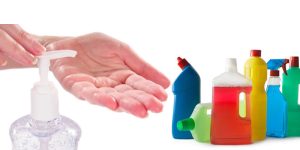
While antiseptic is generally safe for topical use, it’s important to follow usage instructions to avoid potential side effects, such as skin irritation or allergic reactions. Here are some tips:
– Follow Directions: Always use antiseptics as directed by the product label or healthcare provider.
– Avoid Overuse: Excessive use can lead to skin irritation or disruption of normal skin flora.
– Consult a Professional: For deep or serious wounds, always seek medical advice.
Summary
Because they stop germs from growing and spreading on living tissues, antiseptics are essential for both preventing and treating infections. Unlike disinfectants, which are intended for non-living surfaces, antiseptics are safe to use on skin and mucous membranes.