Skin health
Best Soaps and Fair Skin

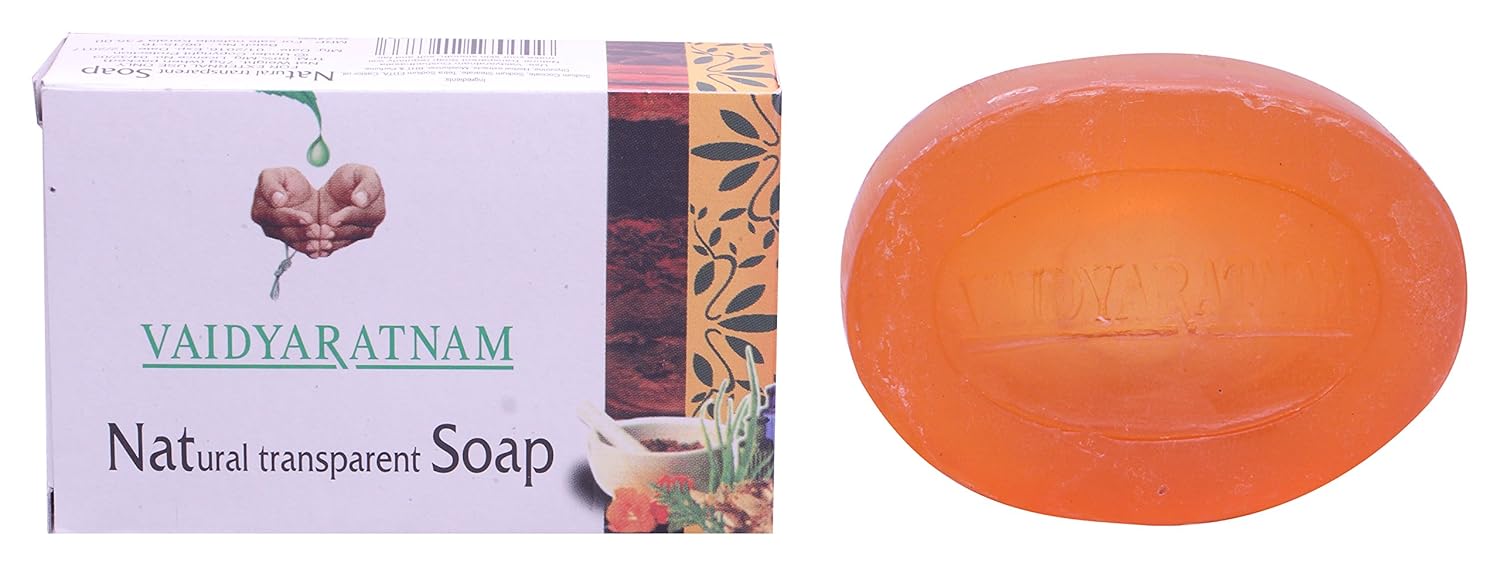
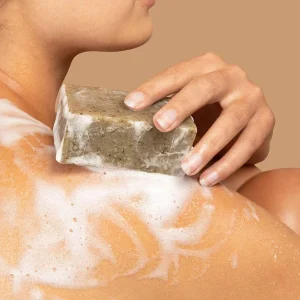
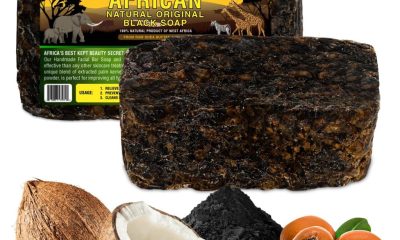
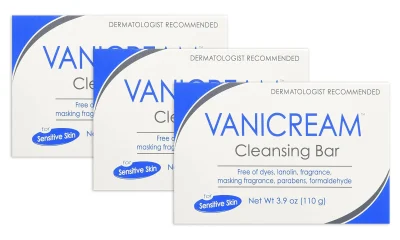
Best soaps for fair skin. Why it works so well for fair skin: The natural oils aid in moisture retention, which is essential for avoiding dryness and preserving a healthy, radiant complexion. Fair skin is cared for without irritation thanks to its mild formulation. Maintaining the clarity and brightness of fair skin requires constant maintenance. These body soaps, which offer hydration and mild washing, are specifically designed to meet the peculiar requirements of fair skin. Provides defense against typical problems like pimples and dryness. You can have clear, soft, and beautiful skin by using these soaps on a regular basis.
BEST SOAPS FOR FAIR SKIN
Fair skin often requires special care to maintain its clarity, brightness, and overall health. Selecting the right body soap can make a significant difference. Here are best body soaps designed to keep fair skin clear, radiant, and gorgeous:
1. Dove White Beauty Bar;
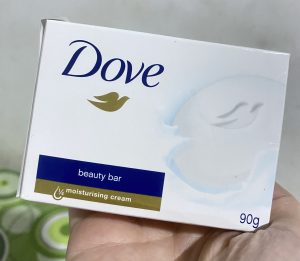
Ingredients: Sodium lauroyl isethionate, stearic acid, sodium tallowate, coconut acid.
Benefits: Dove White Beauty Bar is renowned for its mildness and moisturizing properties. It effectively cleanses while replenishing the skin’s moisture, leaving it soft and smooth.
Why it’s great for fair skins: This soap is gentle enough for daily use, helping to maintain the skin’s natural moisture barrier. Which is essential for preventing dryness and maintaining a healthy glow.
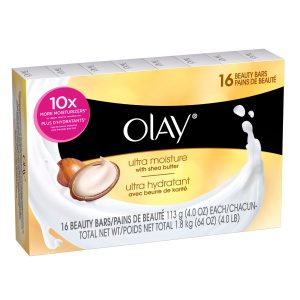
2. Olay Ultra Moisture Shea Butter Beauty Bar;
Best soaps for fair skin
Ingredients: Sodium tallowate, sodium cocoate, water, shea butter.
Benefits: Infused with shea butter, the Olay Ultra Moisture Beauty Bar deeply hydrates the skin. It offers rich lather and a luxurious feel, ensuring your skin is not only clean but also nourished.
Why it’s great for fair skins: The shea butter helps to lock in moisture, preventing the skin from becoming dry and flaky, which is a common issue for fair skin.
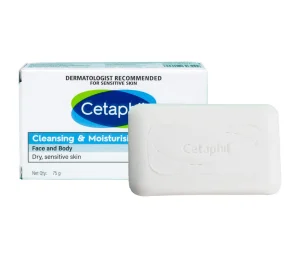
3. Cetaphil Gentle Cleansing Bar;
Best soaps for fair skin
Ingredients: Sodium cocoyl isethionate, stearic acid, sodium tallowate, sodium cocoate.
Benefits: Cetaphil’s Gentle Cleansing Bar is known for its non-irritating formula. It cleanses without stripping the skin of its natural oils, making it ideal for sensitive skin types.
Why it’s great for fair skins: This soap helps maintain the skin’s moisture balance and is suitable for daily use, ensuring fair skin remains smooth, hydrated, and irritation-free.
4. Neutrogena Transparent Facial Bar;
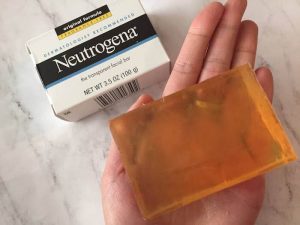
Ingredients: Glycerin, sodium tallowate, sodium cocoate, water.
Benefits: The Neutrogena Transparent Facial Bar is formulated to remove excess oil and dirt without clogging pores. It provides a thorough cleanse, making it excellent for preventing breakouts and maintaining clear skin.
Why it’s great for fair skins: Its non-comedogenic formula ensures that fair skin remains clear and free of blemishes while maintaining a radiant complexion.
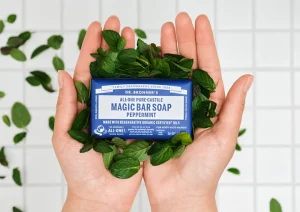
5. Dr. Bronner’s Pure-Castile Bar Soap;
Best soaps for fair skin
Ingredients: Organic coconut oil, organic palm oil, sodium hydroxide, organic olive oil.
Benefits: Fair trade and organic components are used in the production of Dr. Bronner’s Pure-Castile Bar Soap. providing a mild yet efficient cleaning. It infuses your skincare routine with a revitalizing touch and is available in a variety of smells made from natural essential oils.
Summary
Drip brightening soaps are an inexpensive option that can help with dark spots, while Kojie San or Fair & White are possibilities for brightening and leveling skin tone. The ideal soap for fair skin depends on personal needs. SkinWhite and Nature In are common brightening options for general care, but individual responses can differ, so it’s best to patch-test first.





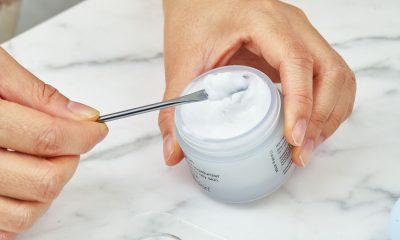







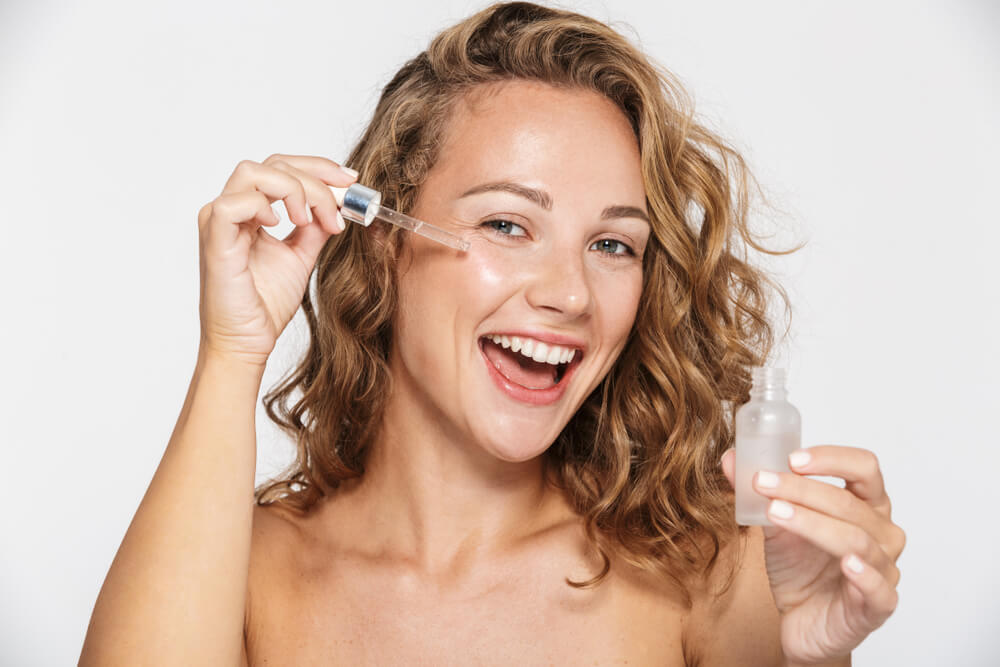
Skincare Routine and Face Serum. By providing focused results and vital protection, incorporating a face serum into your daily routine can improve your skincare routine. Whether you just want to keep your skin hydrated or you want it to seem younger and more vibrant. The powerful products that are worth investing in are face serums.
SKINCARE ROUTINE AND FACE SERUM
Face serum has established itself as a major participant in the skincare industry. Serums, which are sometimes disregarded in favor of moisturizers and creams, are essential for everyone looking for healthy, radiant skin since they provide special, focused advantages.
What is a Face Serum?

Face serums are lightweight, fast-absorbing liquids formulated with active ingredients that target specific skin concerns. Unlike traditional moisturizers, serums are designed with smaller molecules, enabling them to penetrate deeper into the skin and deliver a higher concentration of nutrients.
Why Are Face Serums Important?
1.Intense Hydration: While moisturizers create a barrier to lock in moisture, serums deliver hydrating ingredients such as hyaluronic acid deep into the skin, resulting in long-lasting hydration and a plumper appearance.
2.Targeted Solutions: Serums are tailored to address specific skin issues, from wrinkles and fine lines to hyperpigmentation and acne. Ingredients like vitamin C brighten and even out skin tone, while retinol helps reduce signs of aging.
3.Fast Absorption:

Skincare Routine and Face Serum
Their lightweight nature means serums are absorbed quickly. Making them an ideal addition to both morning and nighttime routines without leaving a heavy or greasy feeling.
4.Enhanced Protection: Antioxidant-rich serums help combat environmental stressors like pollution and UV damage, which can accelerate aging and dull the skin’s natural glow.
Summary
A proper skincare regimen starts with the lightest product and works its way up to the heaviest, using face serums immediately after cleansing or toning to address particular skin issues.

Skin and Abnormal Growths. From regular moles and skin tags to fatty lumps known as lipomas, the majority of skin growths are benign and noncancerous. However, in order to rule out skin cancer, any new, rapidly expanding, or changing area needs to be evaluated by a medical professional (such as a dermatologist via Good Skin MD).
SKIN AND ABNORMAL GROWTHS
Skin lesions, often known as tumors, are abnormal growths on the skin that can take many different forms and cause concern for many. Early detection is crucial for appropriate treatment of these growths, which may be benign (non-cancerous) or malignant (cancerous).
Common Types;
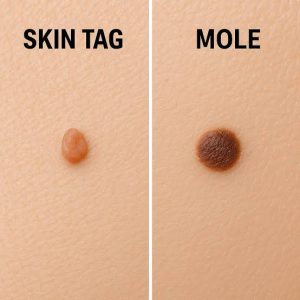
Moles are small, often pigmented growths caused by clusters of pigmented cells. Skin tags are small, soft pieces of skin that hang from the body, usually harmless but can be bothersome.
2. Warts: Caused by a viral infection (human papillomavirus, or HPV), warts are rough, raised growths that can appear anywhere on the skin.
3. Lipomas: These are soft, fatty lumps that grow under the skin. Lipomas are generally harmless but may be removed if they cause discomfort or cosmetic concerns.
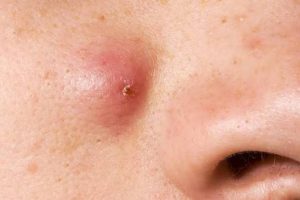
4. Cysts:
Skin and Abnormal Growths
Cysts are fluid-filled sacs that develop under the skin. While usually non-cancerous, they can become infected or inflamed, requiring medical attention.
5. Actinic Keratosis: A rough, scaly patch of skin that results from sun exposure, actinic keratosis can be a precursor to skin cancer and should be monitored by a doctor.
When to See a Doctor;

Skin and Abnormal Growths
While many skin growths are benign, it’s important to seek medical advice if you notice any of the following:
– Rapid changes in size, shape, or color.
– Bleeding or itching.
– Persistent sores or unusual textures.
A healthcare professional can perform a biopsy or other tests to determine whether a growth is malignant and needs further treatment.
Summary
Although abnormal skin growths are frequently benign, it’s crucial to keep an eye out for any changes that can point to a more serious illness. The optimum course of action can be ensured by early detection and dermatologist advice.

Glowing Skin Tips. It’s essential for radiant skin. Many people want to accomplish this. While some people aspire to have luminous skin for cosmetic reasons, others see it as an outward sign of health.There are several methods to improve the skin’s brightness.To improve the health of their skin, people might make dietary and lifestyle changes.There are also several skincare and cosmetic items that can give the appearance of glowing skin.
GLOWING SKIN TIPS
Locking in moisture on damp skin, protecting with daily SPF, and applying brightening serums like Vitamin C in the morning are all ways to get glowing skin. Internally, consume foods high in antioxidants, such as leafy greens and berries, drink eight to ten glasses of water each day, and get seven to eight hours of good sleep.
Definition;

Healthy-looking skin is usually referred to as glowing skin. A person can attempt skin care products and lifestyle modifications, such as getting enough sleep and eating a balanced diet, to get radiant skin.
Tips;
1. Also, tidy up Products for cleaning aid in clearing the skin of debris,
makeup, and extra oil. Selecting a mild cleanser has a pH balance, and doesn’t include any harsh chemicals or soap is crucial.
2. Although, hydrating Moisturizing products hydrate the skin.
To seal moisture in the skin, the American Academy of Dermatology advises using a moisturizer right away after cleansing for optimal effects.

Glowing Skin Tips
3. Meanwhile, sun defense UV light; is found in sunlight and can result in burning, sun damage, and outward symptoms of aging.
However, using sunscreen before venturing outside is a simple method of lowering the danger.
For More Tips;
4. Meanwhile, additional goods Various products can aid in achieving healthy skin, contingent on an individual’s particular skin conditions.
Chemical exfoliants, for instance, are widely used products that remove the outermost layer of skin cells to reveal new ones beneath. These can help people’s skin look and feel better.

Glowing Skin Tips
5. However, cutting Shaving dermatitis, ingrowing hairs, and discomfort are all common side effects of hair removal.
To steer clear of this: Wet the skin and hair; lubricate the skin with a shaving cream or balm; and use a clean. different skin types.
Summary
Combine healthy behaviors with a regular skincare regimen to achieve radiant skin. Cleanse twice a day, lighten dark spots with a vitamin C serum, and seal in moisture with a hyaluronic acid moisturizer. Wear SPF 30 or higher every day, and drink plenty of water from within.

Torchlight Selection

Best Practices for Face Exfoliation

Chemical Face Exfoliation

A Step-by-Step Guide to Deleting Reels on Instagram

A Comprehensive Guide to Setting Up a YouTube Premiere