
Skincare
The Best Body Washes for All Skin Types

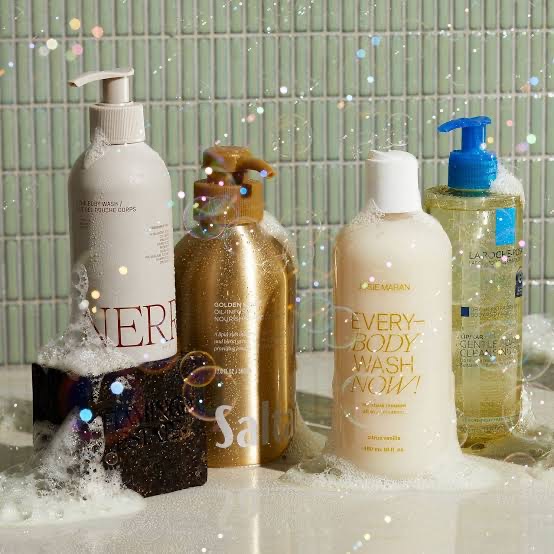
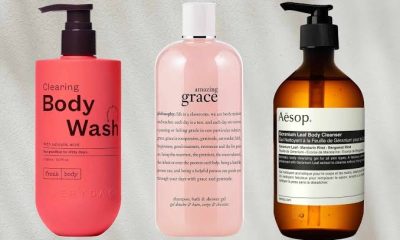
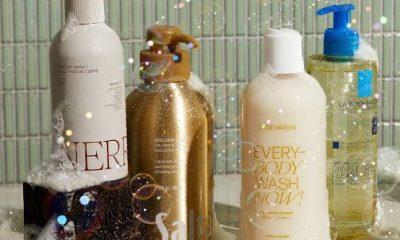
Finding a body wash that works well for all skin types can be a challenge. However, some products are formulated to meet the diverse needs of various skin types, providing gentle cleansing, hydration, and nourishment. Here are four body washes that suit all skin types:
1. Cetaphil Ultra Gentle Body Wash
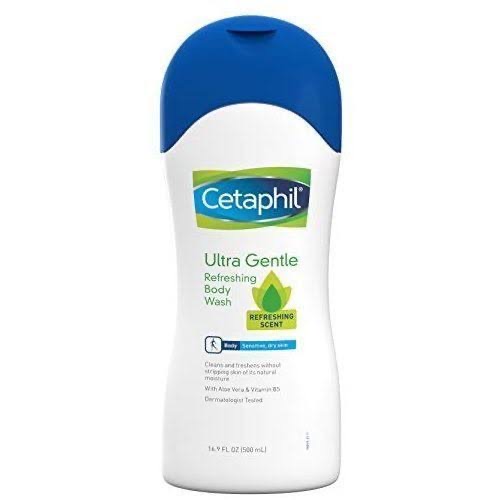
– Key Benefits: Cetaphil is renowned for its gentle and effective skincare products, and their Ultra Gentle Body Wash is no exception. This body wash is soap-free and formulated to cleanse without stripping the skin of its natural oils. It contains aloe vera and vitamin B5, which help to soothe and hydrate the skin.
– Why It’s Great for All Skin Types: The hypoallergenic and non-irritating formula makes it ideal for sensitive skin, while the hydrating ingredients ensure that even dry and oily skin types receive the moisture they need. Its gentle nature ensures that it cleanses without causing dryness or irritation.
2. Eucerin Advanced Cleansing Body and Face Cleanser
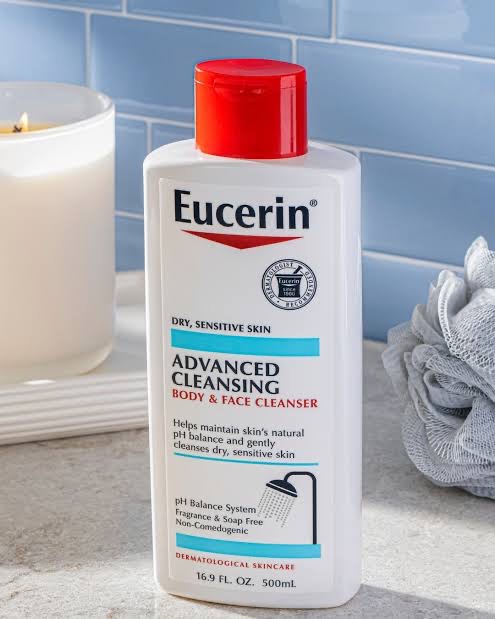
– Key Benefits: This body wash is designed to be used on both the body and face, providing a convenient all-in-one solution. It is soap-free, fragrance-free, and non-comedogenic, making it suitable for all skin types. The formula includes skin-conditioning agents that help to maintain the skin’s natural moisture balance.
– Why It’s Great for All Skin Types: The absence of harsh chemicals and fragrances makes it suitable for sensitive skin, while its non-comedogenic properties mean it won’t clog pores, making it safe for acne-prone and oily skin. The hydrating agents ensure that it provides enough moisture for dry skin as well.
3. Aveeno Daily Moisturizing Body Wash
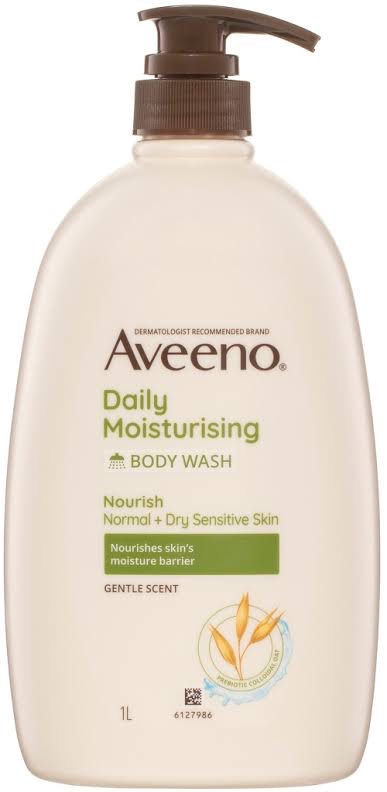
– Key Benefits: Aveeno’s body wash is formulated with natural colloidal oatmeal, known for its soothing and moisturizing properties. It helps to lock in moisture and protect the skin from dryness. The gentle formula is soap-free, dye-free, and hypoallergenic.
– Why It’s Great for All Skin Types: Oatmeal is a versatile ingredient that benefits all skin types by providing hydration and soothing irritation. The gentle, moisturizing formula ensures that dry skin stays hydrated, sensitive skin remains calm, and oily skin doesn’t feel greasy.
4. Neutrogena Rainbath Refreshing Shower and Bath Gel
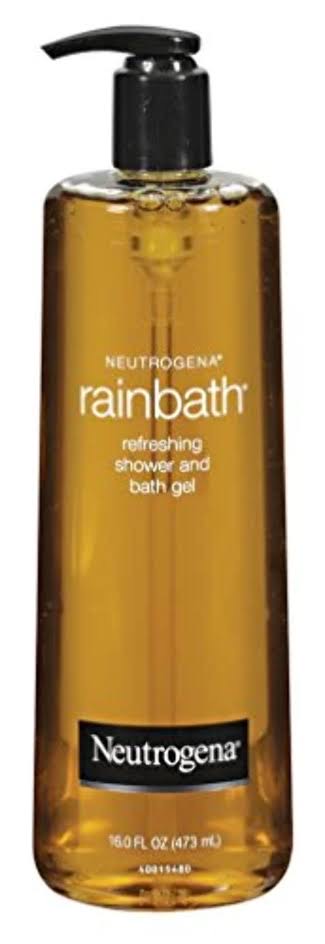
– Key Benefits: Neutrogena Rainbath is a classic body wash that offers a rich, refreshing lather. It contains a blend of spices, fruits, and herbs that not only cleanse the skin but also leave it feeling soft and conditioned. The formula is free from heavy residues, ensuring a clean rinse.
– Why It’s Great for All Skin Types: The non-residue formula makes it ideal for all skin types, as it cleanses effectively without leaving any greasy or heavy feel. The refreshing scent and hydrating properties ensure that the skin feels rejuvenated and moisturized.
Choosing a body wash that suits all skin types requires a focus on gentle, hydrating, and non-irritating ingredients. The products listed above provide effective cleansing while maintaining the skin’s natural balance, ensuring that every skin type. From sensitive to oily, remains healthy and well-cared for. Whether you are dealing with dryness, sensitivity, or a combination of skin concerns, these body washes offer a reliable solution for daily skincare.












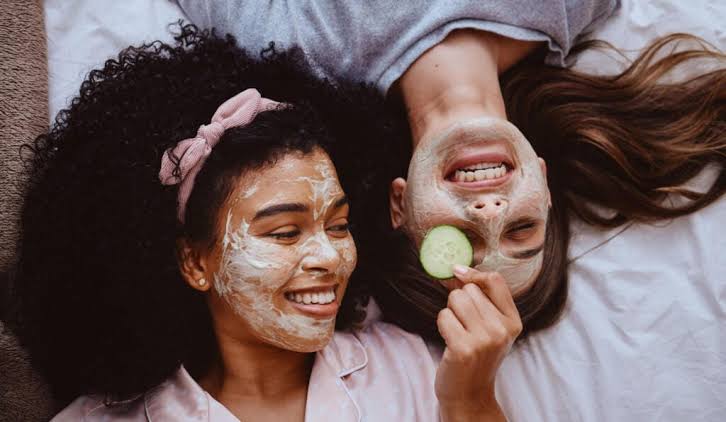
Skincare Routine for Teens Girls. Young skin usually takes little care because it is inherently resilient. Usually, all that is required is a basic regimen that consists of daily sunscreen, a light moisturizer, and a mild cleanser. Young girls should be encouraged by their parents and guardians to develop healthy behaviors that preserve their natural skin barrier rather than using heavy, adult-targeted skincare products.
SKINCARE ROUTINE FOR TEEN GIRLS
Young girls frequently emulate adult beauty trends and habits when it comes to skincare, which may not be appropriate for their age or skin condition. Although it’s crucial to establish proper skincare habits at a young age, some products and methods may be more detrimental to younger skin than beneficial. A few essential skincare practices that young girls should stay away from are as follows:
1. Strong Exfoliants and Chemical Peels
Using potent exfoliants or chemical peels is a popular trend in adult skincare to remove dead skin cells and promote skin renewal. However, these products can be too harsh for young, developing skin, leading to irritation, redness, and even long-term damage. Instead, young girls should stick to gentle exfoliators, like a mild scrub, once a week.
2. Anti-Aging Products
Anti-aging products often contain ingredients like retinoids and strong peptides that aim to boost collagen production and reduce wrinkles. These products are unnecessary for young girls and can disrupt the natural balance of their skin. A basic routine with gentle cleansers and moisturizers is sufficient at this age.
3. Heavy Serums and Oils

Many skincare routines incorporate heavy serums and facial oils for extra hydration or treatment. While these may be beneficial for older, drier skin, they can clog pores and cause breakouts in younger girls who generally have naturally more balanced or oily skin.
4. Frequent Use of Masks
Face masks, especially those with strong astringents or active ingredients, should be used sparingly. Young skin is typically more sensitive and can become over-dried or irritated with frequent use of clay masks or sheet masks containing alcohol or synthetic fragrances.
5. Multi-Step Routines
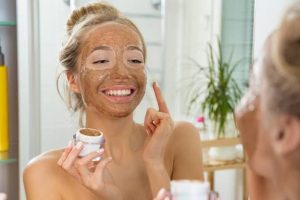
Skincare Routine for Teens Girls
Complex, multi-step skincare routines that include toners, essences, and multiple treatments can overwhelm young skin. Young girls benefit more from a simplified skincare regimen focused on basic cleansing, light moisturizing, and sun protection.
Summary
Teen females benefit most from a basic, gentle skincare regimen that includes daily sunscreen, a light moisturizer, and a mild cleanser. Keeping things simple helps avoid skin irritation because hormonal changes during adolescence can result in excess oil and acne.
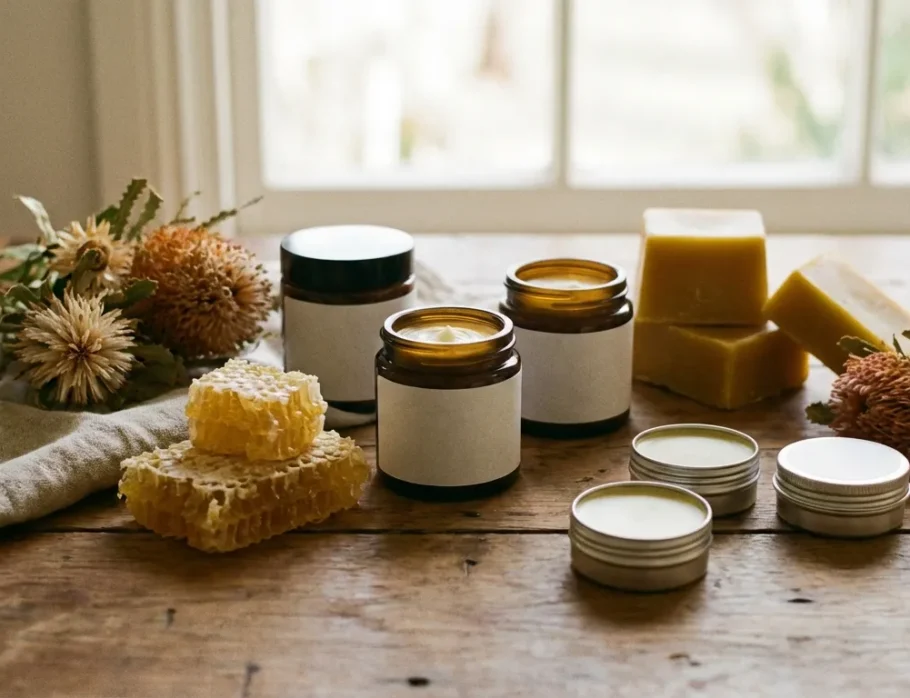
Beeswax Incorporation into Skincare. A potent component that protects, nourishes, and cures the skin is beeswax. Its natural qualities make it a must-have for anyone searching for a mild yet efficient solution to take care of their skin, whether it is utilized in commercial balms and creams or in handmade skincare items.
BEESWAX INCORPORATION INTO SKINCARE
Honeybees naturally generate beeswax, which has been used for millennia in a wide range of products, including candles and skincare. Rich in nutrients, this adaptable substance has several advantages, particularly for skin protection and wellness.
What Is Beeswax?
As worker bees generate honey in their hives, they also produce beeswax. Its special qualities come from the natural fatty acids, alcohols, and esters that make it up. Beeswax is frequently utilized in lip care products, balms, cosmetics, and even as a natural food preservative.
Benefits;
1. Moisturizes and Hydrates:
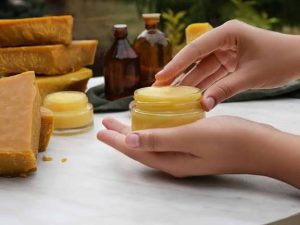
Beeswaxes acts as a natural emollient, forming a protective barrier over the skin that helps lock in moisture. This makes it ideal for dry or chapped skin, especially in products like lip balms and moisturizers.
2. Soothes and Heals:
It has anti-inflammatory and antimicrobial properties that help to soothe irritated skin, reduce redness, and promote healing, making it great for conditions like eczema or minor burns.
3. Protects the Skin:
Beeswaxes are excellent barrier against environmental pollutants, harsh weather, and moisture loss. It shields the skin from the drying effects of the wind and sun while still allowing the skin to breathe.
4. Rich in Nutrients:
Beeswaxes contains vitamin A, which is essential for skin cell regeneration. It supports healthy skin and helps maintain its elasticity, reducing the appearance of fine lines and wrinkles over time.
5. Non-Irritating:
Unlike some synthetic skincare ingredients, beeswaxes gentle and less likely to cause irritation or allergic reactions, making it suitable for sensitive skin types.
6. Antibacterial and Antifungal Properties:
Beeswax helps protect against infections due to its natural antibacterial and antifungal properties, making it an ideal ingredient in products that help with skin conditions or wounds.
7. Natural Fragrance:
Beeswax has a subtle, natural scent that can add a pleasant aroma to products without the need for synthetic fragrances, which can irritate sensitive skin.
How Beeswaxes are Used in Skincare:
– Lip Balms: Beeswax is commonly used in lip balms to hydrate, protect, and heal chapped lips.
– It is frequently included to creams and moisturizers to provide a barrier against external stresses and to promote long-lasting hydration.

Beeswax Incorporation into Skincare
– Hand and Foot Care: Beeswax-based lotions and balms are perfect for treating dry, cracked hands and feet.
– Soothing Ointments: Beeswax is included in ointments for minor burns, cuts, and skin irritations because of its healing and protective qualities.
Summary
Beeswax stabilizes cosmetic formulas and functions as a natural barrier to keep moisture out. It is a naturally occurring protective component that thickens cosmetic formulas, seals in moisture, and protects the skin from environmental irritants.

Skincare and Aging Products. Maintaining the youthfulness and vibrancy of your skin requires using anti-aging products in your skincare regimen. Using these items early on can help postpone the start of indications of aging. However, as you age, continual use helps preserve and enhance the health of your skin. It is completely feasible to embrace aging gracefully while keeping a radiant, healthy glow if you use products that are customized to your skin type and needs.
SKINCARE AND AGING PRODUCTS
Although aging is a natural process, skincare breakthroughs have made it easier than ever to preserve young, healthy skin as we age. In order to help maintain a more youthful appearance for a longer period of time, anti-aging solutions are specifically designed to address indicators of aging, such as wrinkles, fine lines, sagging, and dullness.
What Are Anti-Aging Products?
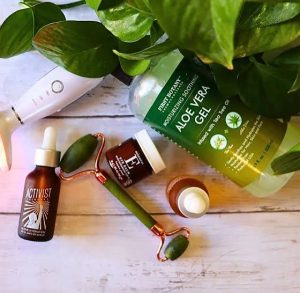
Anti-aging products encompass a range of skincare items, including creams, serums, masks, and lotions. These products are rich in active ingredients such as retinol, hyaluronic acid, peptides, antioxidants, and vitamins that target the root causes of skin aging.
Why Are Anti-Aging Products Important?
1. Reduces Fine Lines and Wrinkles:
Ingredients like retinol and peptides in anti-aging products boost collagen production, which helps reduce the appearance of fine lines and wrinkles, keeping the skin firm and smooth.
2. Improves Skin Elasticity:
Skincare and Aging Products
With age, the skin loses elasticity due to a decrease in collagen and elastin. Anti-aging products are formulated to stimulate the production of these essential proteins.
3. Enhances Hydration:
Dry skin often accentuates signs of aging. Anti-aging creams and serums usually contain moisturizing ingredients such as hyaluronic acid. And ceramides that deeply hydrate the skin, promoting a plump and youthful look.
4. Protects Against Damage:
Antioxidants like vitamin C and E in these products help protect the skin from environmental stressors. Such as UV rays and pollution, which contribute to premature aging.
5. Improves Skin Tone and Texture:
Skincare and Aging Products
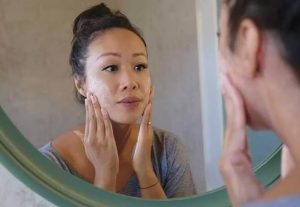
Anti-aging products can help diminish age spots, hyperpigmentation, and uneven skin texture, promoting a brighter, more even complexion.
Summary
Proven components including retinoids, vitamin C, and hyaluronic acid are used in effective products to minimize fine wrinkles and safeguard the health of the skin.

Torchlight Selection

Best Practices for Face Exfoliation

Chemical Face Exfoliation

A Step-by-Step Guide to Deleting Reels on Instagram

A Comprehensive Guide to Setting Up a YouTube Premiere













Pingback: Best Body Soaps for Clear and Gorgeous Fair Skin - SimplExplainer
Pingback: Best Soaps and Fair Skin - SimplExplainer