
Eyes health
Watery Eyes: Causes and Treatments

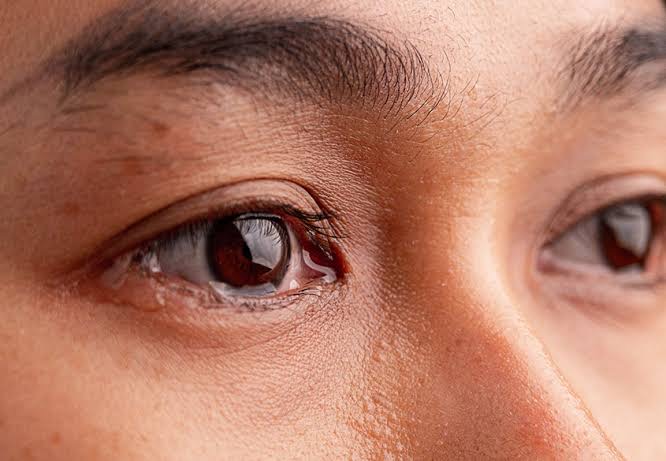
Watery eyes, medically known as epiphora, occur when there is an overflow of tears without an obvious cause like crying. This condition can be uncomfortable and sometimes indicate an underlying issue. Here’s a closer look at why watery eyes happen and how they can be managed.
Common Causes of Watery Eyes
1. Allergies
Seasonal allergies, pet dander, and dust can trigger the body to release histamines, causing the eyes to become watery, itchy, and red.
2. Dry Eye Syndrome
Paradoxically, dry eyes can lead to excessive tearing as the eyes overcompensate for dryness by producing more tears.
3. Blocked Tear Ducts
When the tear ducts become blocked or narrowed, tears may not drain properly, leading to an overflow.
4. Eye Irritation
Irritants like smoke, wind, or chemicals can stimulate the eyes to produce more tears as a defense mechanism.
5. Infections
Conditions such as conjunctivitis (pink eye) or blepharitis (inflammation of the eyelids) can cause watery eyes, often accompanied by redness and itching.
6. Eyelid Issues
Conditions like ectropion (outward turning of the eyelid) or entropion (inward turning of the eyelid) can prevent tears from draining correctly, causing excess tearing.
7. Eye Strain
Prolonged screen time or activities that require intense focus can cause the eyes to strain, leading to temporary tearing.
Treatments for Watery Eye
– Allergy Management: Over-the-counter antihistamine eye drops can reduce symptoms associated with allergies.
– Artificial Tears: Lubricating eye drops can help alleviate dry eye syndrome, which may paradoxically reduce excess tearing.
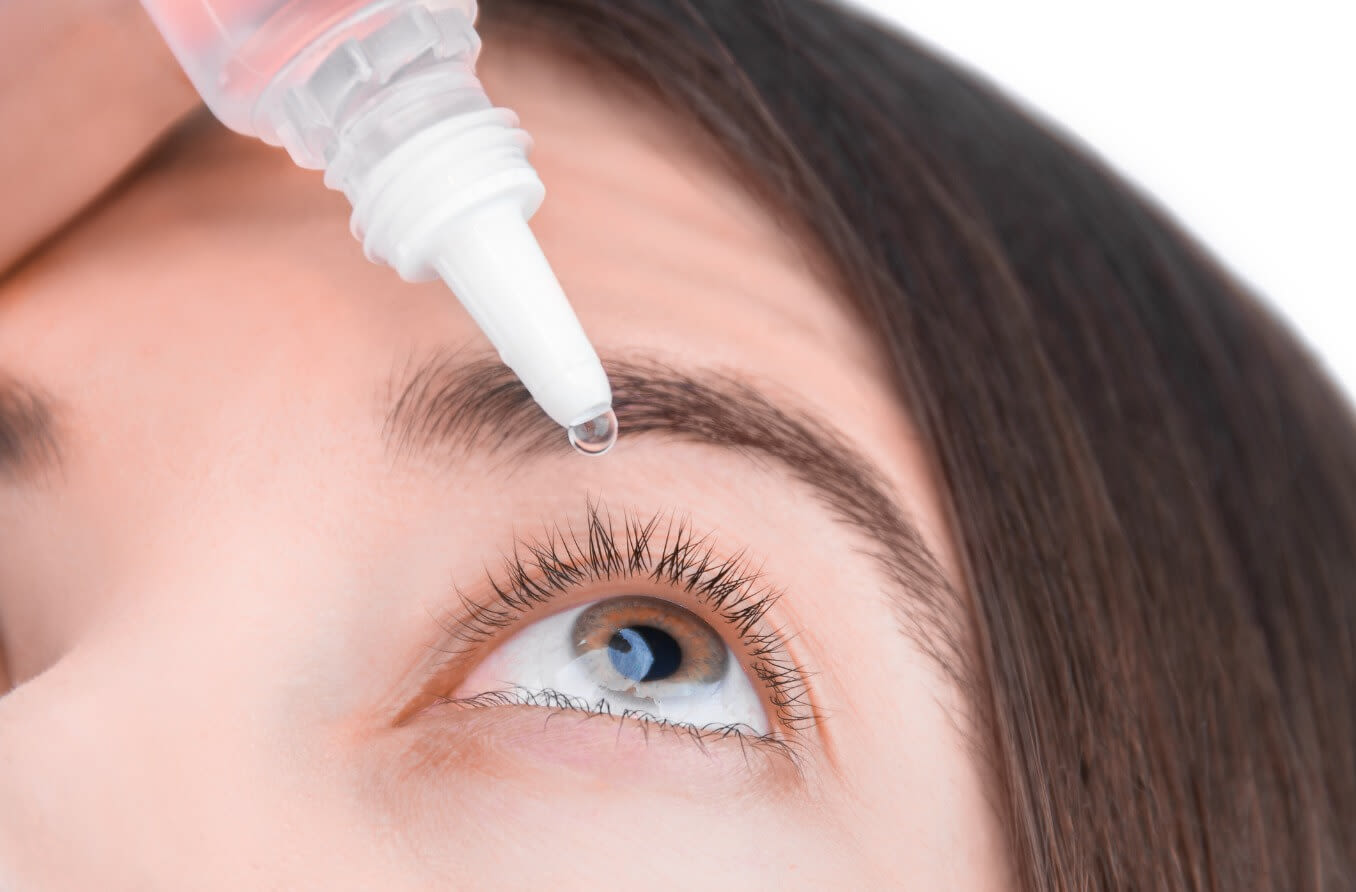
– Warm Compresses: Applying a warm, damp cloth over closed eyes can help open blocked tear ducts and promote better tear drainage.

– Proper Eye Hygiene: Keeping the eyelids clean and free of irritants can reduce the risk of infection and inflammation.
– Consulting an Eye Specialist: If watery eyes persist or are accompanied by pain, swelling, or vision changes, seeking medical attention is essential for proper diagnosis and treatment.
Watery eyes can be caused by a range of factors, from environmental irritants to underlying health conditions. Understanding the cause is key to finding the appropriate treatment. For persistent or severe cases, consulting an eye care professional is recommended to ensure eye health and comfort.












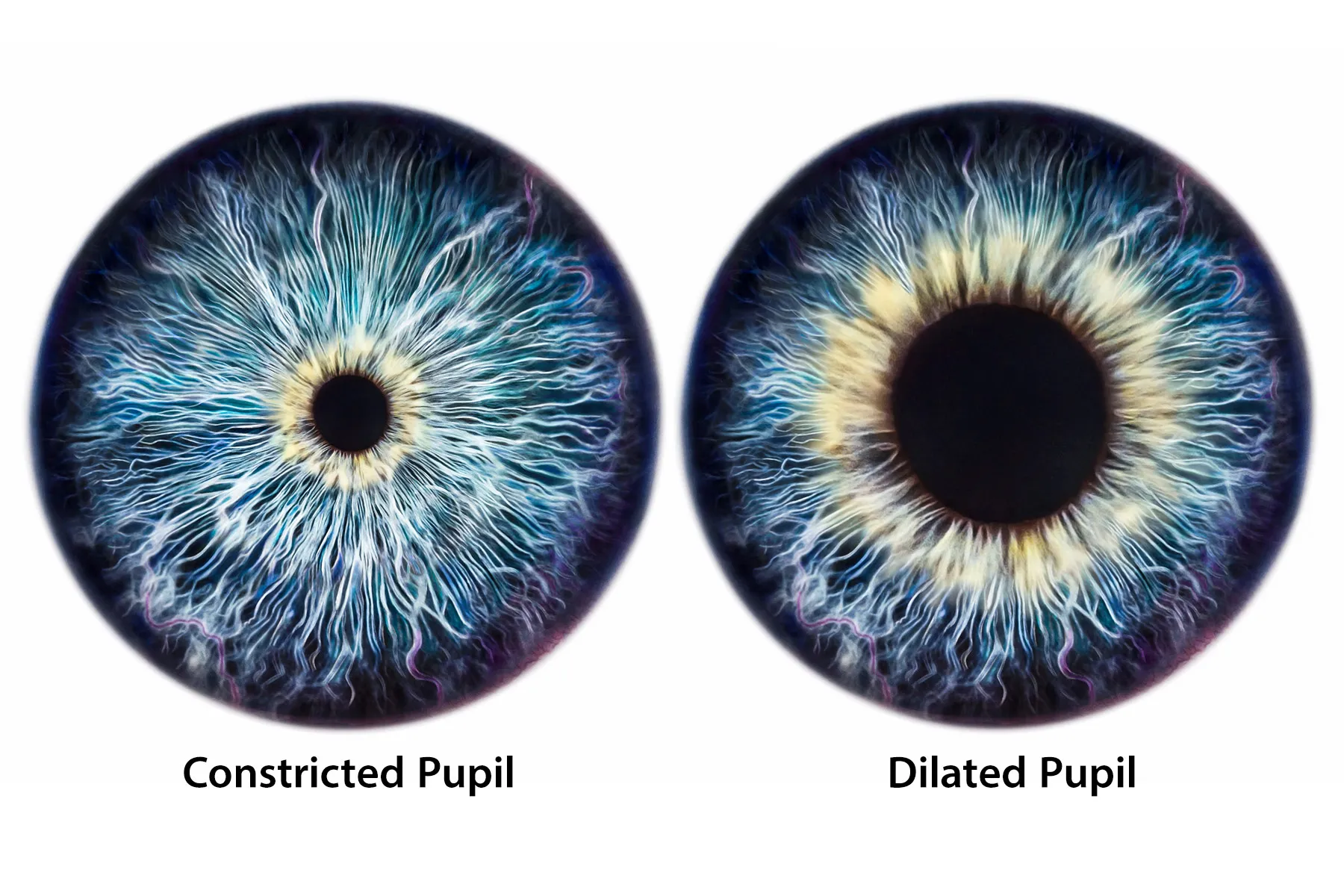
Dilation of the Pupil. A natural reaction that aids in controlling the amount of light entering the eyes and adjusting vision is pupil dilation. Although it is frequently brought on by shifts in light or emotions, several drugs and illnesses can also cause it. Early detection of any possible problems is ensured by keeping an eye on changes and seeking advice from an eye care specialist when needed.
DILATION OF THE PUPIL
Mydriasis, also known as pupil dilation, is the expansion of the pupil, the dark center of the eye, to let in more light. This is a normal reaction that aids the eye in focusing on things at different distances and adjusting to changes in light. Although pupil dilation is usually a natural physiological function, it can also be the result of a number of other situations.
Causes;
1. Response to Light
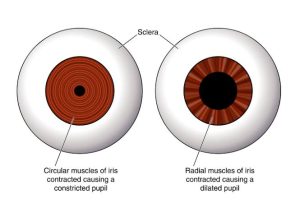
Pupils dilate in dim lighting to let in more light and contract in bright conditions to protect the eyes from excessive brightness.
2. Emotional Reactions
Strong emotions, such as excitement, fear, or attraction, can trigger the release of adrenaline, leading to it. This response is part of the body’s “fight or flight” mechanism.
3. Medications
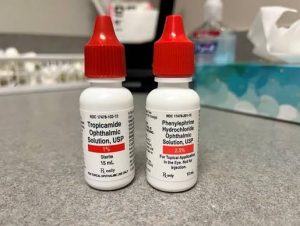
Dilation of the Pupil
Certain medications, including those used during eye exams (e.g., atropine) and some antidepressants or antihistamines, can cause temporary side effect.
4. Substance Use
Stimulants such as caffeine, cocaine, and amphetamines can cause the pupils to enlarge. On the other hand, opioids typically result in pupil constriction.
5. Neurological Conditions
Abnormal pupils dilation could indicate an underlying neurological issue. Conditions such as a brain injury, stroke, or tumor may interfere with the nerves controlling the pupil, resulting in uneven or persistent dilation.
When to Be Concerned;
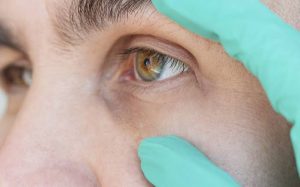
Dilation of the Pupil
While temporary and mild dilation is usually harmless, persistent or unexplained, especially if accompanied by vision changes, headaches, or other symptoms, should be evaluated by a doctor. This could signal an issue with the nervous system or other serious medical conditions.
Summary
Also known as mydriasis, is the enlargement of the dark center of the eye to allow in more light in low light or as a result of neurological problems, drugs, or trauma.

Watery Eyes Diagnosis. Numerous things, including underlying medical disorders and environmental irritants, can produce watery eyes. Finding the right treatment requires an understanding of the cause. To guaranty eye health and comfort in circumstances that are severe or prolonged, speaking with an eye care specialist is advised.
WATERY EYES DIAGNOSIS
Epiphora, the medical term for watery eyes, is the result of an excess of tears without a clear reason, such as crying. In addition to being uncomfortable, this condition may occasionally point to a deeper problem. Here’s a closer look at the causes of watery eyes and how to treat them.
Common Causes;
1. Allergies

Seasonal allergies, pet dander, and dust can trigger the body to release histamines, causing the eyes to become watery, itchy, and red.
2. Dry Eye Syndrome
Paradoxically, dry eyes can lead to excessive tearing as the eyes overcompensate for dryness by producing more tears.
3. Blocked Tear Ducts
When the tear ducts become blocked or narrowed, tears may not drain properly, leading to an overflow.
4. Eye Irritation
Irritants like smoke, wind, or chemicals can stimulate the eyes to produce more tears as a defense mechanism.
5. Infections

Conditions such as conjunctivitis (pink eye) or blepharitis (inflammation of the eyelids) can cause watery eyes, often accompanied by redness and itching.
6. Eyelid Issues
Conditions like ectropion (outward turning of the eyelid) or entropion (inward turning of the eyelid) can prevent tears from draining correctly, causing excess tearing.
7. Eye Strain
Prolonged screen time or activities that require intense focus can cause the eyes to strain, leading to temporary tearing.
Treatments;

Watery Eyes Diagnosis
– Allergy Management: Over-the-counter antihistamine eye drops can reduce symptoms associated with allergies.
– Artificial Tears: Lubricating eye drops can help alleviate dry eye syndrome, which may paradoxically reduce excess tearing.
– Warm Compresses: Applying a warm, damp cloth over closed eyes can help open blocked tear ducts and promote better tear drainage.
– Proper Eye Hygiene: Keeping the eyelids clean and free of irritants can reduce the risk of infection and inflammation.
– Consult an Eye Specialist:

Watery Eyes Diagnosis
If watery eyes persist or are accompanied by pain, swelling, or vision changes, seeking medical attention is essential for proper diagnosis and treatment.
Summary
Excessive tear production or improper tear duct drainage might result in watery eyes. This disorder is referred recognized the doctors as epiphora.
Retinal Disorder Diagnosis. The retina, the thin layer of tissue at the back of the eye that receives and processes light to deliver visual signals to the brain, is affected by a number of illnesses known as retinal disorders. Retinal damage or disturbances can seriously impair vision and, if unchecked, result in blindness.
RETINAL DISORDER DIAGNOSIS
A thorough dilated eye exam conducted by an eye professional utilizing specialized lamps and lenses is the main method used to diagnose retinal diseases. For early detection and treatment, it is essential to comprehend the nature of these conditions and how they affect vision.
Types;
Several types of retinal disorders can affect vision, including:
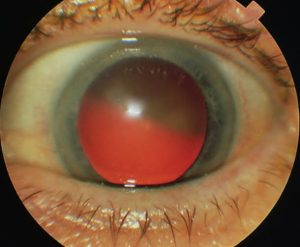
This occurs when the pulls away from the underlying tissue, cutting off its blood supply and oxygen. This is a medical emergency that requires immediate attention to prevent permanent vision loss.
– Diabetic Retinopathy: This condition develops in people with diabetes when high blood sugar levels damage the blood vessels in the retina, causing them to leak or bleed. It’s a leading cause of blindness in adults.
– Macular Degeneration: Age-related macular degeneration (AMD) affects the macula, the central part of the retina, and leads to a loss of central vision. It’s more common in older adults and can make activities like reading and driving difficult.
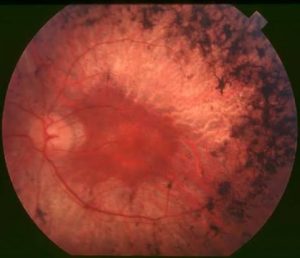
– Retinitis Pigmentosa:
Retinal Disorder Diagnosis
This is a rare, inherited disorder that causes the gradual breakdown of retinal cells, leading to progressive vision loss over time.
Symptoms and Risk Factors;
Common symptoms of retinal disorders include blurred or distorted vision, floaters, flashes of light, and sudden vision loss. Risk factors may include aging, diabetes, family history, high blood pressure, and extreme nearsightedness (myopia).
Diagnosis and Treatment;
Retinal disorders are diagnosed through comprehensive eye exams and imaging tests such as optical coherence tomography (OCT) and fluorescein angiography. Treatments vary based on the disorder and may include medication, laser therapy, or surgery.
Prevention;

Retinal Disorder Diagnosis
Prevention includes managing underlying health conditions like diabetes. Protecting the eyes from UV exposure, and regular eye exams to detect early changes.
Summary
Maintaining healthy vision depends on protecting your retina, so don’t undervalue the significance of routine examinations and timely medical care.

Dilation of the Pupil

Blurry Vision Diagnosis

Key Benefits of Kids Reading Aloud

A Step-by-Step Guide to Deleting Reels on Instagram

A Comprehensive Guide to Setting Up a YouTube Premiere













Pingback: Presbyopia: Understanding Age-Related Vision Changes - SimplExplainer