Nuts
Brazil Nuts


BRAZIL NUTS
Brazil nuts. Large and oblong, These are distinguished from pecans, peanuts, and almonds. They have a silky texture and a mild, almost buttery taste when their stiff, triangular shells are cracked open. These peculiar-looking nuts are Brazil nuts, which are produced by the Amazon rainforest-dwelling Bertholletia excelsa tree.
BRAZIL NUTS
The trace mineral selenium, which is abundant in Brazil nuts, is essential for healthy bodily functions. Selenium keeps your immune system strong and guarantees a healthy thyroid. Between 10 to 24 edible seeds are contained in the trees’ somewhat large, hard-shelled, coconut-like fruits.
1. Health of the thyroid

The thyroid needs selenium to function properly. Thyroid cancer, Graves’ disease, and Hashimoto’s disease can all be prevented by eating a diet high in selenium.
2. decreased chance of developing heart disease
Monounsaturated fats, which are good fats, are abundant in it. Including monounsaturated fat in your diet can help lower your risk of heart disease by improving your cholesterol levels. Brazil nuts’ dietary fiber can also help lower blood cholesterol, which lowers the risk of stroke and heart disease.
3. Control of diabetes

According to certain research, the selenium included in it can improve insulin sensitivity and reduce insulin levels, which can help persons with type 2 diabetes manage their blood sugar levels.
4. Reduction of inflammation

It include phenols and vitamin E, among other antioxidants. By combating free radicals, antioxidants might lessen inflammation and oxidative stress in your body. Reducing inflammation can lower your risk of heart disease, diabetes, and some types of cancer, among other illnesses.
5. Health of bones
The calcium and magnesium found in it are essential for healthy bones. Brazil nuts contain between 25% and 33% of the daily necessary amount of magnesium, which is crucial for bone development, in a 1-ounce intake. Higher bone density may result from increased magnesium.
6. The state of the brain

Alzheimer’s and Parkinson’s disease are two neurodegenerative diseases that are associated with low selenium levels. Selenium is one of the antioxidants found in it that may improve the health of your brain. Increasing your consumption of selenium may also assist to elevate your mood, according to some studies.
Summary
Moderate consumption of Brazil nuts can have positive effects on your general health. You may purchase these nuts in modest amounts and consume them less frequently than once a day to avoid consuming too much selenium.
Numerous health hazards, including selenium poisoning, are associated with excessive consumption of Brazil nuts. This could manifest as a variety of symptoms, including hair loss, nausea, diarrhea, and a metallic taste in the mouth. Selenium doses that are too high can result in heart attacks, kidney failure, heart failure, and tremors.

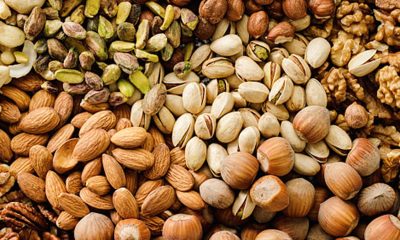


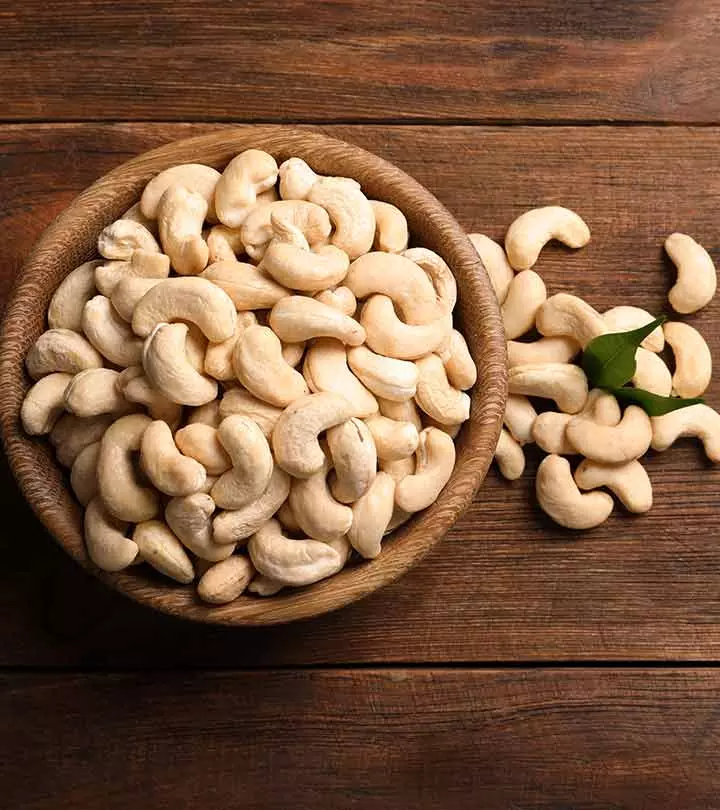
Nutritional impacts of cashew nuts. In addition to being tasty, But since they are high in calories, only eat them seldom. A common snack and adaptable ingredient, cashew nuts are made from the seeds of the cashew tree (Anacardium occidentale). They are rich in nutrients and health advantages, and cashew nuts are renowned for their creamy texture and subtle flavor.
NUTRITIONAL IMPACTS OF CASHEW NUTS
They are powerhouses that include high levels of plant-based protein, heart-healthy monounsaturated fats, and vital minerals like copper, zinc, and magnesium in each 30g serving. Because of their high satiety, they help control weight, strengthen bones, and promote cardiovascular health by lowering “bad” LDL cholesterol.
Benefits;
– Rich in Nutrients: Cashews are a great source of healthy fats, protein, and essential minerals like magnesium, zinc, and copper.
– Heart Health: The monounsaturated fats in cashews help reduce bad cholesterol levels, supporting cardiovascular health.
Nutritional impacts of cashew nuts;
– Bone Health: Their magnesium and phosphorus content contribute to stronger bones and teeth.
– Energy Boost: It provide a quick energy boost, making them an excellent snack for active lifestyles.
Culinary Uses;
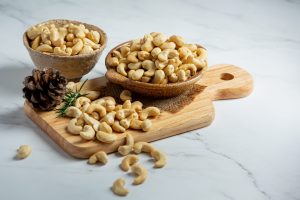
NUTRITIONAL IMPACTS OF CASHEW NUTS
Cashews are versatile and can be used in various dishes:
– Snacks: Eaten raw, roasted, or salted as a healthy treat.
– Cooking: Used in curries, stir-fries, and sauces, especially in Asian and Indian cuisine.

NUTRITIONAL IMPACTS OF CASHEW NUTS
– Dairy Substitutes: Cashews are frequently included into vegan milk, cheese, or cream alternatives.
– Desserts: Added to cookies, cakes, or trail mixes for extra flavor and crunch.
Storage Tips;
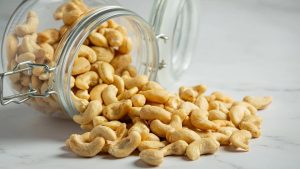
NUTRITIONAL IMPACTS OF CASHEW NUTS
To maintain their freshness, store it in an airtight container in a cool, dry place. Refrigeration can extend their shelf life.
Summary
A common snack and adaptable ingredient, cashew nuts are made from the seeds of the cashew tree (Anacardium occidentale). Cashews are rich in health advantages, and cashew nuts are renowned for their creamy texture and subtle flavor.

 Nutritional value of cashews. A balanced diet can greatly benefit from the nutrient-dense and adaptable cashew. From boosting heart and bone health to aiding in weight management and delivering critical vitamins and minerals, cashews offer a wide range of health advantages. Cashew is a tasty method to improve your general health and well being, whether it’s consumed as a snack or used to different recipes.
NUTRITIONAL VALUE OF CASHEWS
A one-ounce portion of cashews has around 160-165 calories, 5 grams of protein, and 12-13 grams of fat, largely heart-healthy monounsaturated and polyunsaturated fats. In addition to having B vitamins and vitamin K, they are a great source of minerals like copper, magnesium, phosphorus, and zinc.
1. Nutrient-Dense;

Cashews are packed with essential nutrients, including vitamins E, K, and B6, along with minerals like magnesium, phosphorus, zinc, and iron. These nutrients play vital roles in maintaining overall health, from supporting immune function and bone health to aiding in energy production and oxygen transport in the blood.
2. Heart Health;
Cashews are rich in monounsaturated and polyunsaturated fats, which are heart-healthy fats known to reduce bad cholesterol levels (LDL) and increase good cholesterol levels (HDL). This helps lower the risk of heart disease and stroke. Additionally, the magnesium content in cashew helps regulate blood pressure and supports heart health.
3. Weight Management;

Despite being high in fats, cashews can aid in weight management when consumed in moderation. The healthy fats, protein, and fiber in cashews promote a feeling of fullness and satisfaction, which can help control appetite and reduce overall calorie intake. This makes cashew a healthy snack option for those looking to manage their weight.
4. Bone Health;

Cashew is a good source of magnesium and phosphorus, both of which are essential for maintaining strong and healthy bones. Magnesium plays a crucial role in bone formation and mineralization, while phosphorus is a key component of bones and teeth. Regular consumption of cashew can contribute to better bone health and reduce the risk of osteoporosis.
5. Antioxidant Properties;

NUTRITIONAL VALUE OF CASHEWS
Cashews contain antioxidants such as vitamin E and selenium, which help protect cells from damage caused by free radicals. These antioxidants play a significant role in reducing inflammation and protecting against chronic diseases, including cancer. The presence of zinc also supports immune function and enhances the body’s ability to fight infections.
Cashews and diets;

NUTRITIONAL VALUE OF CASHEWS
– Snacking:
Enjoy a handful of raw or roasted cashew as a convenient and nutritious snack.
– Cooking:
Add cashew to stir-fries, salads, or grain dishes for added texture and flavor.
– Baking:
Use cashew in baked goods like cookies, breads, and granola bars to enhance their nutritional value and add a satisfying crunch.
– Nut Butters:

NUTRITIONAL VALUE OF CASHEWS
Spread cashew butter on toast, use it as a dip for fruits and vegetables, or incorporate it into smoothies for a creamy texture and rich flavor.
– Dairy Alternatives:
Blend cashews with water to create a creamy, plant-based milk or use soaked cashews to make dairy-free cheese and sauces.
Summary
Cashews, with their creamy texture and rich flavor, are not just a popular snack but also a powerhouse of nutrients. Including cashews in your diet has many health advantages.
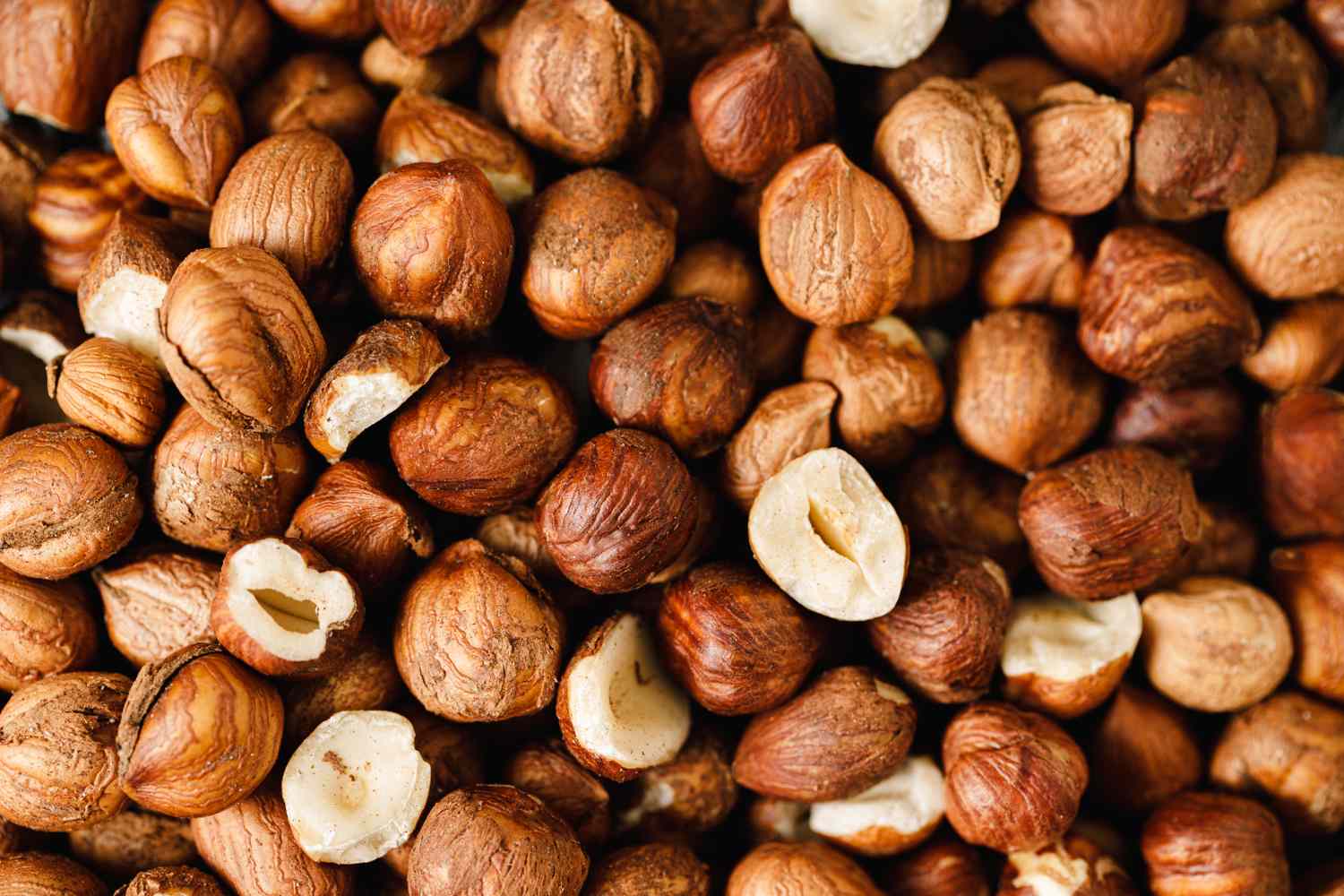

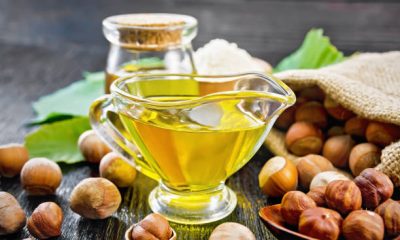
Hazelnuts nutrition value. In addition to being a great source of manganese and vitamin E, hazelnuts are high in fiber, protein, and monounsaturated fats. About 178 calories, 17 grams of fat, 4 grams of protein, and 5 grams of carbohydrates—including 3 grams of fiber are found in a 1-ounce portion. Along with additional B vitamins and antioxidants, they also include minerals including potassium, copper, and magnesium. The edible nuts of the hazel tree are called hazelnuts, and when roasted, they have a rich, sweet flavor. They are rich in monounsaturated fats, antioxidants, and vitamins, and are utilized in numerous food products such confections and pastes. Hazelnuts should be kept in a cold, dark place to avoid being rancid because they are another major food allergy.
HAZELNUTS NUTRITION VALUE
Although, hazelnuts are a nutrient-dense and adaptable nut with several culinary and health advantages. Hazelnuts are a lovely addition to any diet, whether they are used to make rich, flavorful oil, consumed as a simple snack, or used to dishes. Nut enthusiasts all around the world like them for their delectable flavor and rich nutritious profile.
Origins and Cultivation;

HAZELNUTS NUTRITION VALUE
Hazelnuts have been cultivated for thousands of years, originating in Europe and Asia. Today, Turkey is the world’s leading producer, followed by Italy, the United States (primarily Oregon), and Spain. Harvested in late summer or early fall, hazelnut trees grow well in temperate regions. The hard shell of the nuts, which grow in clusters, must be cracked open to expose the tasty kernel within.
Nutritional Profile;
Hazelnut is packed with essential nutrients, making them a valuable addition to a healthy diet. They are an excellent source of healthy fats, particularly monounsaturated fats, which support heart health. Hazelnut is also rich in vitamins and minerals, including:
– Vitamin E: An antioxidant that helps protect cells from oxidative damage and supports skin health.
– B Vitamins: Including folate, which is essential for cell function and metabolism.
– Magnesium: Important for muscle and nerve function, as well as bone health.
– Copper and Manganese: Essential for iron absorption, immune function, and bone formation.
Additionally, hazelnuts are a good source of dietary fiber, which aids in digestion and helps maintain a healthy gut.
Culinary Uses;

HAZELNUTS NUTRITION VALUE
Although, hazelnuts are incredibly versatile in the kitchen. They can be enjoyed raw, roasted, or ground into a meal or paste. Here are some popular culinary uses:
– Snacking: Raw or roasted hazelnuts make a delicious and nutritious snack on their own or mixed with other nuts and dried fruits.
– Baking: Hazelnuts are commonly used in baked goods such as cookies, cakes, and pastries. They add a delightful crunch and nutty flavor to desserts.
– Spreads: Hazelnut paste is a key ingredient in spreads like Nutella, which combines hazelnuts with cocoa for a sweet treat.
– Salads and Savory Dishes: To add more texture and taste to salads, grain dishes, and vegetable sides, chop or whole hazelnuts.
– Oil: Pressed from the nuts, hazelnut oil is highly valued for its subtle taste and is frequently utilized in marinades and sauces.
Health Benefits;

HAZELNUTS NUTRITION VALUE
Meanwhile, the consumption of hazelnuts offers several health benefits:
– Heart Health: The high content of monounsaturated fats and antioxidants helps reduce bad cholesterol levels and improve cardiovascular health.
– Antioxidant Properties: The vitamin E in hazelnuts acts as an antioxidant, protecting cells from damage and reducing the risk of chronic diseases.
– Anti-Inflammatory Effects: Hazelnuts contain compounds that have anti-inflammatory properties, which can help reduce inflammation in the body.
– Weight Management: Despite being calorie-dense, the fiber and protein content in hazelnuts can promote satiety and help with weight management.
Summary
Also, the Corylus avellana tree produces hazelnuts, which are small, round nuts prized for their remarkable nutritional profile and rich, buttery flavor. Often referred to as filberts or cobnuts, these nuts have several health advantages and are a mainstay in many culinary traditions worldwide.

Holidays and Vacations

Bilingual Education Impacts

Career Tips

A Step-by-Step Guide to Deleting Reels on Instagram

How to Create a WhatsApp Group