Food
Bulimia and Anorexia

BULIMIA AND ANOREXIA
Bulimia and anorexia. An eating disorder is called bulimia nervosa, or just bulimia. Mental health issues that have the potential to be fatal include eating disorders. If you have an eating disorder, you may have an obsession with food and weight. Both your physical and mental health may suffer as a result of this addiction.

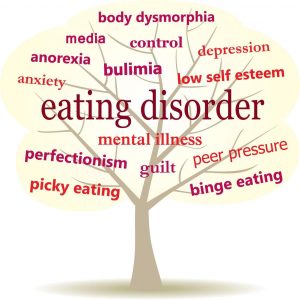
BULIMIA AND ANOREXIA
A pattern of eating that is indicative of bulimia is:
1. Eating a disproportionately high quantity of food in a brief period (binge eating).
2. Purging, or getting rid of the food. Using laxatives or forcing oneself to vomit are two methods of purging. Medication known as a laxative accelerates the passage of food through the body.
The abuse of diet or water tablets is one of the other possible symptoms of bulimia nervosa. • Fasting, or consuming extremely little or no food.
1. Overdoing it on exercise.
2. Storing food to later binge and purge.
Bulimia sufferers typically maintain a healthy, normal weight. However, they hold themselves in high regard due to their perception of their weight and/or physical type. Typically, their body image and self-esteem are closely related. More individuals classified as female at birth than as male at birth suffer from bulimia nervosa. Usually, it appears in adolescence or the early stages of adulthood. However, people of all ages may be impacted. Every year, between 1% and 2% of people will suffer from bulimia. People of any sex, gender, age, race, ethnicity, or body type can develop bulimia.
What’s the difference between bulimia nervosa and anorexia nervosa?
Typically, bulimia nervosa sufferers weigh a normal amount. They indulge in a pattern of recurrent binges and purges. Those who suffer from anorexia nervosa are typically underweight. To lose weight, they self-starve and follow strict diets and workout regimens. Despite being extremely thin, some who suffer from anorexia nervosa believe they are obese. They could get so skinny that they appear ill.
What are the signs and symptoms of bulimia nervosa?
1. Frequently using the restroom, especially after eating. • Overindulgent exercise. • An obsession with one’s appearance. • A strong aversion to putting on weight.
2. Substance addiction, anxiety, or depression. • Not feeling in control. • Experiencing shame or remorse after eating. • Isolating oneself socially from loved ones.
. Bloating of the cheeks or jawline; • Digestive issues include acid reflux and constipation; • Knuckle calluses, cuts, or scars from throwing up on your hands; • Passing out.