Health
Carcinoid Syndrome


CARCINOID SYNDROME
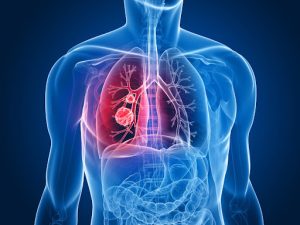
Carcinoid syndrome. This is one possible consequence of neuroendocrine tumors. Neuroendocrine cells are the initial site of rare malignancies called NETs. NETs in the digestive or pulmonary systems are frequently associated with carcinoid syndrome. The symptoms include asthma, flushing, and diarrhea.
CARCINOID SYNDROME
When neuroendocrine tumors are present, a rare illness known as carcinoid syndrome may develop. Tumors known as Neuroendocrine tumors originate in specific cells within your neuroendocrine system. Your neuroendocrine cells start to divide and multiply quickly, forming tumors that release abnormally high levels of serotonin and other chemicals. This is how NETs form. You have symptoms as a result. A diagnosis of carcinoid syndrome can occasionally be the first sign that you have a neuroendocrine tumor.
Signs

According to studies, the most typical symptoms include: Uncomfortable neck and head flushes.
dyspnea, or shortness of breath, and wheezing.
cramping in the abdomen and frequent, violent diarrhea.
fatty, foul-smelling feces.
swelling in your legs and feet, or edema. This may indicate cardiac failure.
Some people may experience erectile dysfunction or lose interest in having sex.
Jaundice is the yellowing of the skin and the whites of the eyes.
feeling lightheaded or faint. This can indicate that your blood pressure is low.
experiencing a rapid heartbeat.
Causes
Neuroendocrine tumors can cause this. This describes symptoms that arise from tumors in specific hormone-producing and hormone-releasing cells in your neuroendocrine system. Although NETs can be found in the pancreas, lungs, or gastrointestinal tract, usually occurs when NETs in the lungs or gastrointestinal tract overburden your body with hormones.
Types of complications
Carcinoid heart disease: Neuroendocrine tumors can cause this uncommon but potentially fatal condition by releasing hormones that damage the linings of your heart’s chambers, valves, and blood vessels. Heart failure is a possible outcome of cancerous heart disease.
Inflammation and scarring of the mesentery, a fold of tissue connecting your intestines to the wall of your abdomen, may result from NETs. This condition is known as mesenteric fibrosis.
Depression: Tryptophan, an important amino acid that aids in the production of serotonin, may be more difficult for your body to handle if you have carcinoid syndrome. A molecule in the brain called serotonin controls central nervous system functions like mood, behavior, and sleep.
Treatment


Surgery: Procedures to remove or shrink neuroendocrine tumors.
Analogs of somatostatin: These medications may prevent your body from producing an excessive amount of hormones. When cancer cells move to other areas of your body, this could impede the tumor’s growth.
Targeted therapy: This kind of treatment employs medications that specifically target genes or proteins in order to destroy cancer cells.
Drugs that kill cancer cells are used in chemotherapy.
By obstructing or shutting a blood artery that supplies the tumor with nutrients, embolization destroys tumors.
Prevention
No, there is no way to stop it. Since there is no known method to avoid neuroendocrine tumors, there is no way to prevent the symptoms, which is connected to these tumors.
Summary
A neuroendocrine tumor, can cause the uncommon ailment known as carcinoid syndrome. Most individuals with carcinoid syndrome are already aware that they have a NET. In some cases, people discover they have a neuroendocrine tumor after receiving a diagnosis of carcinoid syndrome. Treatment for NETs is available. The first step in determining whether you have cancer and, if so, how to treat it is learning that you have carcinoid syndrome. Consult your healthcare physician about the next measures to confirm possible NETs if you have been diagnosed with carcinoid syndrome.