Health
Causes of Increased Urinary Frequency



Causes of increased urinary frequency. This may sometimes be natural, but severe or chronic symptoms call for medical attention. In order to identify the underlying reason and receive the proper therapy, it is crucial to speak with a healthcare provider if it is accompanied by pain, blood in the urine, or other uncommon symptoms. Treating the underlying reason is often necessary to manage increased frequency of urination. To reduce symptoms and enhance quality of life, lifestyle modifications or medical procedures may be required in certain situations.
CAUSES OF INCREASED URINARY FREQUENCY
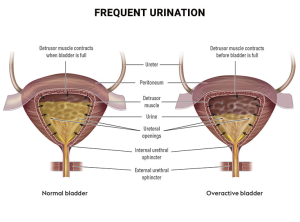
Increased urinary frequency refers to the need to urinate more frequently (more than eight times per day), which is frequently brought on by UTIs, pregnancy, diabetes, enlarged prostates in men, or excessive fluid or diuretic consumption (alcohol, caffeine). Kidney stones, nerve problems, overactive bladder (OAB), and some drugs can also cause bladder irritation or excessive pee production. These diseases can frequently be treated with Kegel exercises, lifestyle modifications, or treating underlying conditions.
Increased urinary frequency, or the need to urinate more often than usual, can be a disruptive and uncomfortable condition. Various factors can contribute to this symptom, ranging from lifestyle choices to underlying medical conditions.
Common Causes;

CAUSES OF INCREASED URINARY FREQUENCY
1. Fluid Intake:
Consuming large amounts of fluids, particularly those with caffeine or alcohol, can increase urine production and frequency.
2. Diuretics:
Medications designed to reduce fluid retention, such as diuretics, can lead to more frequent urination.


CAUSES OF INCREASED URINARY FREQUENCY
Infections in the urinary tract can cause irritation and increased urgency and frequency.
4. Bladder Irritants:
Certain foods and drinks, such as spicy foods, citrus fruits, and artificial sweeteners, can irritate the bladder and increase the urge to urinate.
5. Diabetes:
High blood sugar levels can lead to increased urine production as the body attempts to eliminate excess glucose.
6. Prostate Issues:
In men, an enlarged prostate can obstruct the flow of urine, leading to more frequent trips to the bathroom.
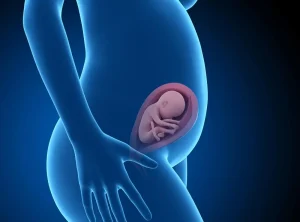
7. Pregnancy:

CAUSES OF INCREASED URINARY FREQUENCY
The growing uterus can exert pressure on the bladder, causing increased frequency of urination.
8. Overactive Bladder:
This condition involves a sudden, frequent urge to urinate, often with little warning.
Summary
Infections, diabetes, overactive bladder, enlarged prostate (BPH), pregnancy, certain medications, and the use of diuretics like alcohol or caffeine are among the conditions that cause increased frequency of urination; underlying causes include bladder inflammation, nerve issues, or even anxiety, which affects bladder signals or capacity. It refers to the need to urinate more frequently, frequently as a result of the bladder producing too much urine, not emptying completely, or transmitting too many signals.