Health
Causes of Perimenopause


CAUSES OF PERIMENOPAUSE
Causes of perimenopause. Your body begins the transition to menopause during the perimenopause. Your ovaries start to produce fewer hormones during this transition, which makes your menstrual cycle unpredictable. In perimenopause, your body is going toward the end of your reproductive years. Although it’s a normal and natural evolution, there are emotional and physical symptoms. You may experience discomfort or life disruption from some of these symptoms.
CAUSES OF PERIMENOPAUSE
It is possible for perimenopause to start in your mid-30s or late-50s. While some women experience the perimenopause for a few years, others do so for a longer period of time. You can still become pregnant during perimenopause, despite the fact that your hormone levels are dropping and your monthly periods are erratic.
Causes
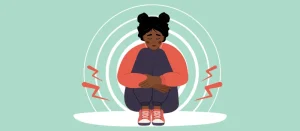

Your body has to adapt to the hormonal shifts once your estrogen levels start to drop. Your body may respond differently to hormone changes than someone else’s, such as how your friend’s body responds. Aside from missing periods, some people have no physical changes, while others experience symptoms including mood swings and hot flashes.
Many people have at least one of the following symptoms, however they can vary:
period irregularities or absences.
heavier or lighter-than-normal periods.
mood fluctuations, such as depression, impatience, or mood swings.
low libido.
flashes of heat.
sweats during night.
dryness of the vagina that makes intercourse uncomfortable.
Urinary urgency, or the need to urinate more often.
issues with sleep (insomnia).
It’s a good idea to discuss your symptoms with your healthcare provider because some of these symptoms can be mistaken for those of other disorders. They are able to verify that the symptoms are caused by the perimenopause and not by another illness.
Treatment


Antidepressants: These drugs treat anxiety, sadness, mood swings, and hot flashes.
Birth control pills: These drugs usually reduce symptoms and stabilize hormone levels.
Hormone replacement therapy (HRT): If you entered menopause before the age of forty, HRT employs estrogen or estrogen plus progesterone to raise your hormone levels.
Hormone therapy: Like hormone replacement therapy, this treatment raises your hormone levels by using either estrogen or estrogen and progesterone. This phrase is used by providers to describe individuals experiencing menopause at a more natural age (any time after age 45). For most people, gabapentin, a prescription used to treat seizures, also reduces hot flashes.
One drug for an overactive bladder that also helps with hot flashes is oxybutynin.
A more recent treatment for intense hot flashes is fezolinetant.
Vaginal creams: You can discuss over-the-counter and prescription choices with your healthcare provider. Vaginal dryness and sex pain can be reduced with the use of vaginal creams and lubricants.
Based on your needs, your healthcare practitioner will advise you on the best course of action after discussing the advantages and disadvantages of perimenopause treatment.
Prevention


Early perimenopause is associated with certain factors. These consist of:
consuming tobacco goods or smoking. Regular users of these products typically enter menopause one to two years earlier than non-users.
an early menopausal family history.
a history of cancer therapy.
if your ovaries or uterus have been surgically removed.
Summary
Perimenopause is the transition to menopause. Everybody experiences it differently, and it’s a slow process that can take years. It can be emotionally and physically taxing to begin this new phase of your life, as your reproductive years come to an end. You can begin to experience symptoms similar to menopause, like mood swings, weight fluctuations, or irregular periods. If you think you’ve entered the perimenopause, let your doctor know. They can discuss the health risks associated with menopause, such as osteoporosis, and assist reassure you that your symptoms are normal.