Health
Cerebral Palsy


CEREBRAL PALSY
Cerebral palsy. When the parts of the brain that regulate muscle movement are damaged or do not develop normally, cerebral palsy results. It is a major contributor to childhood disabilities. Treatments vary greatly, as do the symptoms and effects. However, with to advancements in medicine and technology, those who suffer from this illness are enjoying longer, more fulfilling lives.
CEREBRAL PALSY
A neurological ailment known as cerebral palsy (CP) can manifest as problems with posture and/or a movement disorder, and/or mobility. It is the consequence of either embryonic brain injury or another developmental disorder that impacts brain development. Early in childhood is when CP symptoms first manifest, and they can differ greatly from person to person. The primary consequence of cerebral palsy is that it impairs muscle control; these diseases are referred to as movement disorders. Although that isn’t always the case, it might also have an impact on adjacent brain regions and the functions they regulate. A person does not necessarily have an intellectual handicap just because they have cerebral palsy.
Symptoms


Differences in head size include microcephaly, which is characterized by an abnormally small head, and macrocephaly, which is characterized by an abnormally large head. Lack of interaction: Babies and children with CP may not react to others around them. Hypotonia: This refers to a lack of muscle tone, which causes affected body parts to appear “floppy” (usually early on and later becomes spasticity or dystonia). Delayed development: Children with CP frequently experience delays in reaching some expected developmental milestones, many of which involve movement but can also involve other abilities.
Spasticity is the inability to bend or utilize your arms and legs due to their stiffness.
movements that are not synchronized.
writhing or twisting motions that appear to be slow.
Causes
When the areas of the brain responsible for controlling movement are damaged, cerebral palsy results. This section may not be the only one affected, which could lead to other issues. Furthermore, there are frequently other contributing variables or causes for this type of injury. This harm may occur prior to, during, or following birth, among other times. Approximately 80% of the causes are damage that occurs prior to birth. It accounts for roughly 10% of causes after birth.
Treatment
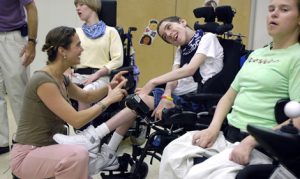

Drugs: These can be used to treat spasticity, seizures, and a variety of other CP symptoms. These vary tremendously and are heavily influenced by the symptoms and consequences of cerebral palsy. Additionally, they are able to address concurrent illnesses such as mental health disorders. In order to provide medication reliably, surgery may involve implanting medication pumps or directly reducing muscle spasms. In addition to fixing issues with the spine and joints, surgery may also entail the implantation of electrical brain stimulators to help regulate brain activity. A person with cerebral palsy can learn how to manage a variety of daily demands and duties with the aid of physical and occupational therapy. Additionally, it can aid in increasing mobility and strength.
Prevention
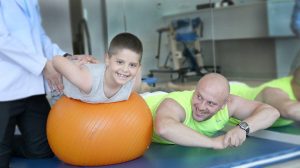

Premature babies: Magnesium sulfate can lower the incidence of cerebral palsy in infants delivered before 32 weeks of pregnancy. It lowers the risk of harm from inadequate oxygen and blood flow by promoting brain circulation in neonates. Cooling treatment for asphyxia: Asphyxia in nonpremature babies can put them at risk for cerebral palsy. Your baby’s brain may not suffer from oxygen deprivation if you cool their body or head by at least 3.6 F (2 C).
Summary
Your child’s pediatrician can provide you with support and assistance as well as information about cerebral palsy (CP). They can also assist you in locating resources that can improve the health and wellbeing of your child.