Food
Effects of Eating Late at Night



Effects of eating late at night. This can affect metabolism, cause sleep disturbances, and cause digestive problems including acid reflux and heartburn. Additionally, it may lead to weight gain, a higher risk of type 2 diabetes, and hormonal abnormalities that make you feel hungry the next day. This is due to the fact that eating late might throw off your circadian rhythm, which makes it more difficult for your body to metabolize blood sugar and burn calories effectively.
EFFECTS OF EATING LATE AT NIGHT
Because your body’s metabolism is slower at night, eating late might interfere with sleep and digestion, which may result in problems like acid reflux and weight gain. It’s ideal to finish your last big meal a few hours before bed to lessen these effects, and if you must snack, pick something light and quickly absorbed.
1. Weight gain;


EFFECTS OF EATING LATE AT NIGHT
Eating after midnight raises the risk of gaining weight. Ignoring weight growth causes it to become chronic, which in turn causes obesity. Eating late-night snacks can cause weight gain, particularly if the items are sweet or fatty. Extra calories might hasten weight growth since the body retains them for hours. Later on, it could be difficult to control midnight nibbles.
2. Eating disorder;


Individuals who eat later are more inclined to choose unhealthy foods. You make poor food choices at night because, well, you’re sleepy, and the more tired you are, the more likely you are to seek high-calorie, unhealthy foods.
3. Disturbs sleep pattern;
A person should get eight hours of uninterrupted sleep on average as this is an indication of excellent health. A healthy lifestyle might be hampered by insufficient sleep. Your sleep schedule will be disturbed if your stomach cries out for extra food at night. Your body would feel fatigued as a result of getting fewer hours of sleep.
4. Affects pregnancy;


EFFECTS OF EATING LATE AT NIGHT
Your typical hunger sensations during pregnancy quadruple that of an average individual. Numerous cravings would be present in you, and you would always crave food. Before you go to bed, you should cease eating or snacking on anything.
5. Affects digestion and metabolism;
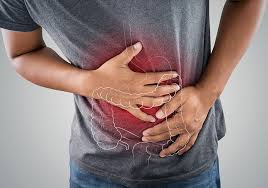

At night, the body’s metabolism slows down. This is a result of our inactivity or immobility. Eating at night exacerbates the already lowered metabolic state and impairs your ability to properly process the food.
Eating late at night prevents your body from getting the nutrients it needs, which can cause poor digestion and increase your risk of sickness. Even if you won’t be able to fight off any diseases you are predisposed to, you can prevent illness by eating a balanced diet and going to bed at the right times.
Summary
Eating is the act of consuming food to give the body nutrients, energy, and the opportunity to grow. It is a major “activity of daily living” for humans and an essential biological activity for survival.