Health
Electrolytes Imbalance

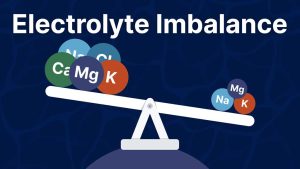

Electrolytes imbalance. This is brought on by excessively high or low blood levels of minerals such as sodium, potassium, calcium, and magnesium, which interfere with vital processes like nerve signals, muscle contraction, and fluid balance. It is frequently brought on by dehydration (vomiting, perspiration, insufficient drinking) or underlying conditions like kidney or heart disease, which can result in symptoms like cramping in the muscles, exhaustion, disorientation, or irregular heartbeat. The goal of treatment is to rectify the imbalance, usually with fluids and oral rehydration treatments; however, severe cases require emergency medical attention.
ELECTROLYTES IMBALANCE
Electrolytes are essential minerals in the body that help regulate various physiological functions, including fluid balance, nerve signaling, and muscle function. Electrolytes imbalance can lead to significant health issues. In order to preserve general health and avoid problems, electrolyte imbalances must be swiftly addressed. In order to properly diagnose and treat the underlying reasons, it is advised to seek medical assistance if symptoms suggestive of an imbalance appear.
Causes of Electrolyte Imbalance;

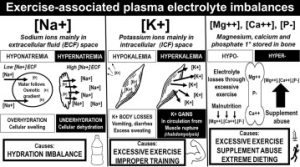
ELECTROLYTES IMBALANCE
1. Dehydration:
Excessive loss of fluids through sweating, vomiting, or diarrhea can disrupt electrolyte levels.
2. Kidney Dysfunction:
Impaired kidney function can affect the body’s ability to regulate electrolyte levels properly.
3. Medications:


Certain medications, such as diuretics or corticosteroids, can alter electrolyte balance.
4. Chronic Conditions:
Diseases like diabetes or adrenal disorders can contribute to electrolyte imbalances.
5. Dietary Factors:
Poor dietary intake of key electrolytes like sodium, potassium, or calcium can lead to imbalances.
Symptoms;

ELECTROLYTES IMBALANCE
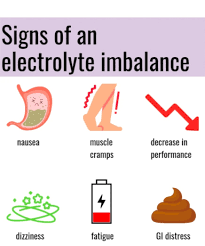
– Muscle cramps or spasms
– Fatigue or weakness
– Irregular heartbeat or palpitations
– Confusion or mood changes
– Nausea or vomiting
Management and Prevention:
1. Hydration:
However, adequate fluid intake helps maintain electrolyte balance, especially during illness or intense physical activity.
2. Balanced Diet:


ELECTROLYTES IMBALANCE
Consuming a diet rich in fruits, vegetables, and other sources of key electrolytes, such as potassium and sodium, supports equilibrium.
3. Medication Management:
If taking medications that affect electrolytes, follow medical advice and monitor electrolyte levels as recommended.
4. Regular Check-Ups:


ELECTROLYTES IMBALANCE
Although, for those with chronic conditions or kidney issues, regular monitoring of electrolyte levels is crucial.
Summary
Also, electrolytes are minerals found in bodily fluids that carry an electric charge, such as sodium, potassium, calcium, and chloride. They are essential for maintaining fluid balance, nerve and muscle function, and pH levels. They also help cells, neurons, and organs operate by transferring waste products and nutrition. You lose them through perspiration and must replenish them with food and liquids because imbalances can induce headaches, cramps, or irregular heartbeats.