Health
Esophageal Cancer


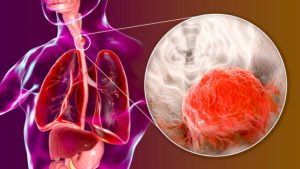
ESOPHAGEAL CANCER
Esophageal cancer. Food passes down your esophagus, a long, muscular tube, from your throat to your stomach, where it begins. Most patients wait until the cancer has spread before they detect any symptoms. Healthcare professionals may be able to remove the cancer with surgery and other therapies if it is discovered early. If they are unable to treat the cancer, they concentrate on prolonging life, reducing symptoms, and preserving quality of life.
ESOPHAGEAL CANCER
The esophagus, the tube that transports food and liquids from your mouth to your stomach, is where esophageal cancer, commonly referred to as esophageal cancer, originates. Although treating this terrible illness might be difficult, there is hope thanks to innovative therapeutic approaches.
Symptoms
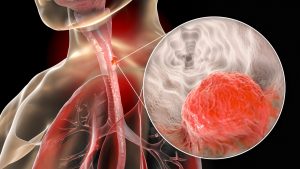

One of the first symptoms that people may notice is difficulty swallowing. Other signs and symptoms include:
discomfort behind your breastbone, between your shoulder blades, or in your throat or back.
coughing up blood or throwing up.
Heartburn.
persistent coughing or hoarseness.
unintended loss of weight.
Causes
Use of tobacco: This covers both smoking and using smokeless tobacco.
Alcohol consumption: The risk of esophageal cancer is increased by heavy and/or chronic alcohol consumption.
Obesity: Being obese can lead to inflammation in the esophagus, which can develop into cancer.
Chronic acid reflux and Barrett’s esophagus: Prolonged, untreated acid reflux can lead to Barrett’s esophagus, an alteration in the cells at the lower end of the esophagus. Chronic heartburn increases the risk of esophageal cancer even in the absence of Barrett’s esophagus.
The common virus known as human papillomavirus can alter the tissue in your mouth, vocal chords, hands, feet, and genitalia.
Cancer history: Those who have previously experienced head or neck cancer are at an increased risk of developing esophageal cancer.
Additional illnesses: In uncommon and/or hereditary cases, esophageal cancer is associated with certain diseases. Achalasia, a rare condition that causes difficulty swallowing, is one example. Tylosis, a rare, hereditary condition, is another condition that causes extra skin to grow on the palms of your hands and the soles of your feet.
Occupational exposure to specific chemicals: Long-term exposure to dry cleaning solvents increases the chance of esophageal cancer formation.
Treatment
Surgery: For esophageal cancer in its early stages, an esophagectomy is the most usual treatment. The majority or a portion of your esophagus and surrounding tissue must be removed. Surgeons pull a portion of your stomach up into your neck and chest to build a new esophagus.
Radiation therapy: A beam of radiation is directed at the tumor to either kill or harm cancer cells. Prior to or following surgery, medical professionals may provide radiation as an adjuvant therapy.
Chemotherapy is used to either kill or inhibit the growth of cancer cells.
Surgeons may employ endoscopic submucosal dissection (ESD) to treat esophageal cancer in its extremely early stages.
Prevention
By eating healthily and maintaining a weight that is appropriate for you, you may be able to lower your risk. Additionally, you can lower your risk by abstaining from habits like smoking, heavy drinking, and working near certain solvents. One risk factor for esophageal cancer is an HPV infection. Find out from your doctor if you should get the HPV vaccine.
Summary
Esophageal carcinoma frequently has no known cure. In that case, medical professionals focus on therapies that will help patients live as long as possible and maintain the highest possible standard of living. Hearing that you have a disease for which there is no treatment is one of the most challenging things in life. To accept your circumstances, you might require some time and assistance.