Food
Essential Benefits of Fatty Acids

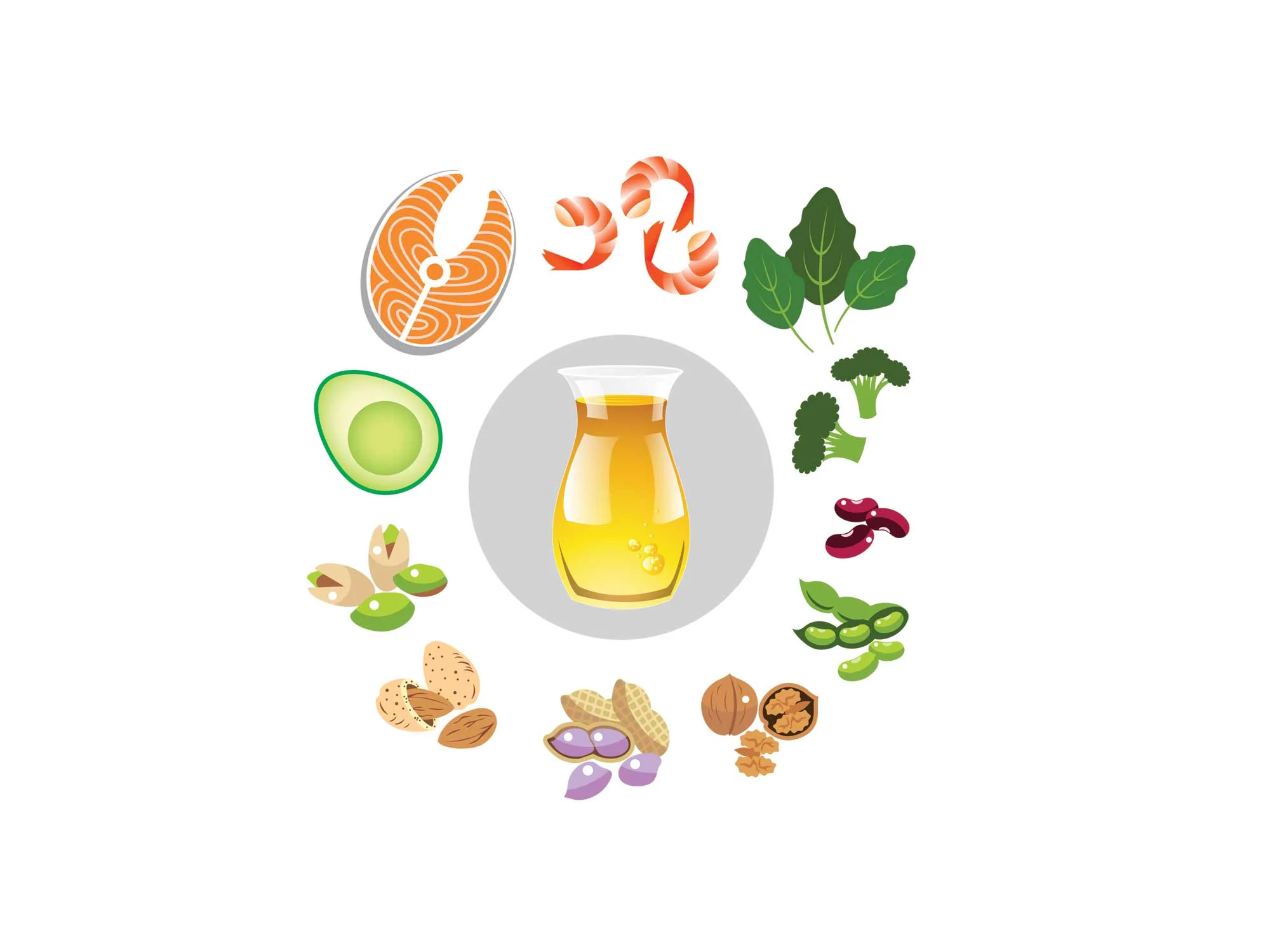
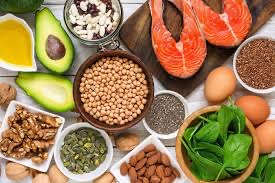
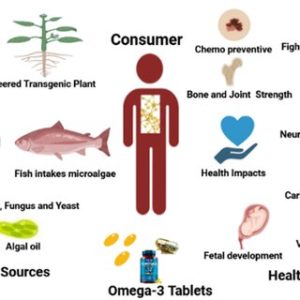 Essential benefits of fatty acids. Because the body cannot produce them, essential fatty acids—mainly Omega-3 (ALA, EPA, DHA) and Omega-6 (LA, GLA)—are necessary for cell structure, brain/eye function, heart health, controlling inflammation, and healthy growth. They must be obtained through diet for energy, hormone production, and the prevention of chronic conditions like heart disease, diabetes, and neurological disorders.
ESSENTIAL BENEFITS OF FATTY ACIDS
Essential fatty acids are vital dietary components that are necessary for preserving general health and wellbeing. The human body is unable to produce these fatty acids; instead, it must get them from diet. Omega-3 and omega-6 fatty acids are the two main types of EFAs, and each is essential to many different body processes.
Types;
1. Omega-3 fatty acids:

The key omega-3 fatty acid include alpha-linolenic acid (ALA), eicosapentaenoic acid (EPA), and docosahexaenoic acid (DHA). ALA is found in plant-based sources, while EPA and DHA are primarily found in marine sources. Omega-3s are renowned for their anti-inflammatory properties and are essential for brain function, cardiovascular health, and eye health.
2. Omega-6 Fatty Acid:
Linoleic acid (LA) and arachidonic acid (AA) are the primary omega-6 fatty acid. Omega-6s are crucial for skin health, reproductive health, and overall growth and development. They play a significant role in the inflammatory response and are vital for proper immune function.
Health Benefits;

– Heart Health:
Omega-3 fatty acid, particularly EPA and DHA, are known to reduce the risk of heart disease by lowering triglyceride levels, reducing inflammation, and improving arterial function.
– Brain Function:
DHA is a major structural component of the brain and retina, making it essential for cognitive function and vision. Adequate intake of omega-3s is associated with a lower risk of neurodegenerative diseases and improved mental health.
– Inflammation and Immunity:

Essential benefits of fatty acids
Omega-3 fatty acids have anti-inflammatory effects, which can help manage conditions like arthritis and other inflammatory disorders. Omega-6 fatty acid, while pro-inflammatory in nature, are essential for the body’s immune response and wound healing.
– Growth and Development:
EFAs are critical for the development and function of the brain and nervous system, particularly during pregnancy and early childhood.
Sources of Essential Fatty Acids;
Essential benefits of fatty acids
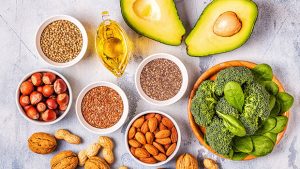
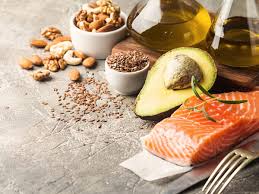
– Omega-3 Fatty Acid: Rich sources include fatty fish (salmon, mackerel, sardines), flaxseeds, chia seeds, walnuts, and canola oil. Fish oil and algal oil supplements are also popular sources of EPA and DHA.
– Omega-6 Fatty Acid: Common sources are vegetable oils (sunflower, safflower, corn, and soybean oils), nuts, seeds, and poultry.
Balancing Omega-3 and Omega-6 Intake;
Essential benefits of fatty acids
While both omega-3 and omega-6 fatty acids are essential, maintaining a proper balance between them is crucial. The modern diet often contains an excess of omega-6 fatty acid relative to omega-3s, which can contribute to inflammation and other health issues. Aiming for a balanced intake by increasing omega-3-rich foods and moderating omega-6 intake can help optimize health.
Summary
Essential fatty acids are essential nutrients that play important roles in maintaining health. People can support heart health, brain function, and general well-being by including a variety of foods high in omega-3 and omega-6 fats in their diet. To fully benefit from these fats, it’s important to balance them.




Cassava Starch Uses. One of the three major tuber crops in the world, cassava is grown in tropical and subtropical climates in more than 100 countries. It can withstand arid environments and drought. It is one of the three primary tuber crops and the third largest food crop in the tropics, ranking sixth globally. For almost 600 million people globally, the “king of starch” is a staple diet. Cassava’s large yield, ease of growing, and year-round harvesting make it a staple meal in many impoverished countries.
CASSAVA STARCH USES
Also, Cultivated in tropical and subtropical locations throughout over 100 countries or regions, cassava is one of the three main tuber crops in the world. It is resistant to drought and barren conditions. As the primary processed starch and feed crop, it has become widely used. If you want to start a cassava starch production plant, you must understand the uses of cassava starch which has steadily expanded as the industry has grown.
1. Food made from cassava

However, Bitter and sweet cassava are the two types of cassava While the bitter glucoside is present in bitter cassava, sweet cassava has a very low toxic content. It needs to be boiled all the way through and detoxified before consumption. Consuming uncooked or raw cassava increases your chance of contracting a foodborne illness.
2. Drinks
Although, A colloidal stabilizer called modified starch is added to drinks that contain solid components. When combined with other sweeteners, cassava starch sweeteners effectively satisfy consumer demand.
3. Candy

Meanwhile, raw cassava starch and different types of modified starch can be used to gel, thicken, stabilize, improve foaming, control crystallization, bond, form films, add gloss, and more in confections.
4. Chemicals
However, Because it can be manufactured cheaply using enzymatic or acidification methods, cassava starch can be used as a raw material to make a variety of compounds, including vitamins, antibiotics, ethanol, amino acids, organic acids, sodium glutamate, and ketones.
5. Clinging agents and glues

Cassava Starch Uses
Although, Excellent adhesives for a variety of materials, such as corrugated board, paper bags, plywood, tapes, labels, stamps, and envelopes.
6. Creating Paper
Meanwhile, In order to increase pulp usage, productivity, and paper quality, the paper industry uses modified starch. The remaining starch on the final product might be utilized as an internal sizing agent to make the paper stronger.
7. Textile

Cassava Starch Uses
Also, In the textile industry, cassava starch is frequently used as a sizing agent to protect and harden yarns to increase textile efficiency; as a finishing agent to create smooth-feeling fabrics.
Summary
However, cassava starch is made from cassava tubers by physical extraction, separation, dewatering, and drying. Cassava starch, which is categorized as either native or modified starch, is widely used in both the food and non-food industries. Modified starch is suitable for a range of uses since users can customize it to suit their own requirements.

Local Delicacies in Nigeria. Nigerians are famed for their love of eating and are thought to be among the happiest people on the planet. They also like to eat. In Nigeria, the proverb “the route to a man’s heart is his stomach” is generally accepted. The variety of the civilization is reflected in the cuisine. Every one of the more than 500 ethnic groups has a different cuisine.
LOCAL DELICACIES IN NIGERIA
Rich, robust spices, colorful ingredients, and a variety of regional customs are all present in Nigerian indigenous cuisine. In order to help tourists, travelers, and visitors settle in while in Nigeria, the following list of Nigerian foods is provided.
Jollof rice

Local Delicacies in Nigeria
This deserves to be on the list of 30 Nigerian foods you should be aware of. Perhaps the most well-known Nigerian dish is jollof rice. It is the dish that is appropriate for practically any Nigerian occasion. Jollof rice is served first during picnics, housewarmings and weddings. Pepper, broth, seasoning, and spices are ingredients in this flavorful and filling dish. Serve it with meat.
Fried rice
This still belongs to the rice variety on the list of 30 Nigerian foods you should know about. Sauté this while adding freshly chopped and stir-fried vegetables to the rice. Green beans, sweet corn peas, carrots, beef liver, and other recipes are also required. Serve this with beef, chicken, shrimp, or any other protein of your choosing. The fact that
Local Rice

Local Delicacies in Nigeria
Jollof Regular, jollof rice and local jollof rice differ in the type of oil used. Regular Jollof requires vegetable or groundnut oil, whereas native Jollof rice needs palm oil. You might try various recipes that call for seasoning, pepper, spices, and robust protein.
Egusi soup
However, Egusi soup is the most popular Nigerian soup among the 30 Nigerian foods you should be aware of. Melon seeds from the gourd family are used to make egusi, a delicious soup. First comes the pounding of the melon, which is then formed into balls and combined with pepper and green vegetables. You can make this soup in a variety of ways and serve it with akpu or pounded yam.
Banga Soup

Also, Among the 30 Nigerian foods you should be aware of is this well-known soup. This is made with palm nuts. You can cook the nut with beletete, spice flavorings, and other types of protein. It is an intriguing and nourishing traditional soup.
Summary
Spicy stews, savory porridges, and grilled meats are all part of Lagos, Nigeria’s thriving street food and local cuisine culture.

How to Preserve Food. Any material that an organism consumes for nourishment is considered food. Food often comes from plants, animals, or fungi and contains vital nutrients such proteins, carbs, lipids, vitamins, and minerals. An organism consumes the material, which is then absorbed by its cells to support growth, sustain life, promote physical needs, and supply energy. Different animal species have evolved to occupy particular ecological niches within particular geographical locations, and their feeding behaviors meet the demands of their metabolisms.
HOW TO PRESERVE FOOD
We preserve food to extend its shelf life. This is because food spoils easily. It will go bad if it is not stored or eaten right away. It needs special care to maintain its nutritional value and last as long as possible. There are several methods for preserving food. In this blog, we look at seven alternative methods of food preservation. These methods improve the quality of our food when used correctly.
The Definition of Food Preservation;

Food preservation, in its simplest form, is the management and treatment of food in order to prevent or reduce deterioration. Along with preventing food-borne infections, food preservation helps to preserve the nutritional content, flavor, and texture of food items.
chilly
One of the simplest methods for preserving and ensuring food safety is to refrigerate it. Our refrigerators’ low temperatures inhibit the growth of microorganisms and lessen spoiling. Food that has been refrigerated can stay safe for a few days.
Cold-freezing

How to Preserve Food
Although, Bacteria cannot grow in frozen environments. Thus, food can be preserved for a long period by freezing it properly. Years, to be precise. That being said, it’s definitely time to discard that frozen emergency pizza.
Sugarcoating
Meanwhile, food that has been heavily sugar-preserved has less water in it, which inhibits the growth of microorganisms. Sugar comes in granules, syrup, molasses, and honey forms. To make jams or relishes, fruits like apples and plums as well as vegetables like carrots are sugared. To preserve particular fish or meats, you can also add salt and sugar to the brine.
Adding salt

How to Preserve Food
However, salt works wonders in extracting water from some meals. This inhibits the growth of germs, just as sugaring. Salt, water, and occasionally sugar are used to create wet curing. After adding food, this mixture is put inside cans. Meats like this are cured by immediately applying salt to them. Water is extracted in this way.
Making Canning
Also, foods preserved with this technique lose some of their oxygen. Baking is inhibited when food is kept in an environment that is airtight, acidic, high in salt, or sugar. Good quality and hygiene practices are required while handling canned food. Canning-specific jars are what you should use. To make sure they are airtight, this is being done.
Summary
Stopping germs and slowing down the enzymes that cause food to spoil are key components of food preservation. Freezing, canning, dehydrating, and fermenting are common techniques. To properly increase shelf life, each technique focuses on elements like moisture, temperature, or oxygen.

Torchlight Selection

Best Practices for Face Exfoliation

Chemical Face Exfoliation

A Step-by-Step Guide to Deleting Reels on Instagram

A Comprehensive Guide to Setting Up a YouTube Premiere