Food
Fermented Foods

Fermented foods. The controlled growth of bacteria, yeast, or mold that breaks down carbohydrates in fermented foods produces improved, tangy flavors and, frequently, high concentrations of healthy probiotics. Kefir, kimchi, sauerkraut, yogurt, miso, tempeh, kombucha, and sourdough bread are important examples. These foods have a reputation for strengthening immunity, promoting gastrointestinal health, and maybe lowering inflammation.
FERMENTED FOODS
In the anaerobic metabolic process known as fermentation, microorganisms such as bacteria and yeast convert carbohydrates (sugars and starches) into acids or alcohols in order to generate energy. This oxygen-free chemical process creates substances like lactic acid and ethanol and is crucial for food preservation and flavor enhancement.
1. Promotes Digestive Health;
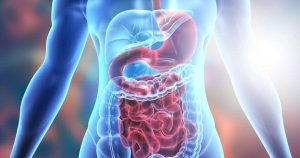

The probiotics created during fermentation may help ease some stomach issues and help your gut’s friendly bacterial balance return. There is evidence that probiotics can lessen the unpleasant symptoms of a common digestive illness called irritable bowel syndrome. 2. Strengthens Your Immune System Your immune system is greatly impacted by the bacteria that reside in your gut. Fermented foods have a high probiotic content, which can strengthen your immune system and lower your risk of diseases like the common cold.
3. Facilitates Food Digestion;


Food nutrients that have undergone fermentation are easier to digest than those that have not. Moreover, fermentation aids in the breakdown and elimination of antinutrients, which are substances included in grains, legumes, seeds, and nuts that prevent the absorption of nutrients. These include lectins and phytates.
4. Less difficult to digest;


FERMENTED FOODS
We may digest fermented meals more easily because part of the natural sugars and starches are broken down by bacteria. Products like yogurt, kefir, and cheese may be suitable for people who are lactose intolerant since fermentation, for instance, converts lactose in milk into glucose and galactose, two simpler carbohydrates.
5. Increases nutrition availability;
Certain foods’ potential for health benefits is increased when they are fermented. This entails increasing the production of vitamins and minerals as well as their accessibility for absorption by our bodies. This is because certain natural substances, such as phytic acid, which is present in legumes like soybeans, may prevent humans from absorbing nutrients like iron and zinc.
6. Encourage the immune system;


FERMENTED FOODS
Consuming a variety of fermented foods may boost your immunity and lower your chance of infection. Probiotic pills, which include healthy gut bacteria, may be especially helpful in lowering upper respiratory infections, according to studies. It is still unknown if adding fermented items to the diet will have the same impact.
Summary
One ancient technique for preserving food is fermentation. Products like kombucha, cheese, yogurt, sauerkraut, and wine are still made using this technique today. Good probiotics found in fermented foods have been associated with a number of health benefits, such as enhanced digestion and immunity.