vegetables
Green Veggies

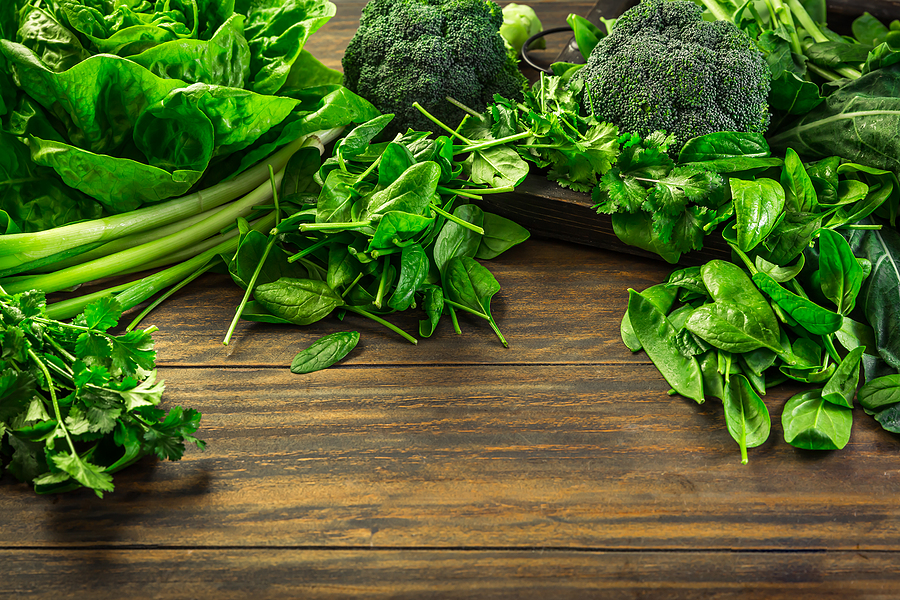
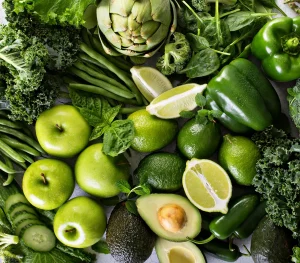
Green veggies. They are a nutritional powerhouse with many health advantages. Including a range of these veggies in your diet will improve your general health, aid with digestion, and supply vital vitamins and minerals. To maximize their nutritional benefits, eat them raw, cooked, or mixed. Leafy greens, which are well-known for their remarkable nutritional profile and many health advantages, are a crucial part of a balanced diet. These colorful veggies are adaptable and simple to use in a variety of recipes. Here’s a closer look at the health benefits of leafy greens and how to incorporate them into your meals.
GREEN VEGGIES
Green vegetables are plant parts, such as leaves, that are high in nutrients and chlorophyll and are vital to a balanced diet. In addition to other vegetables like broccoli, green beans, and peas, examples include leafy greens like spinach, kale, and collard greens. They are abundant in fiber, vitamins, and minerals, low in calories, and associated with a number of health advantages, including better weight control and a lower chance of developing chronic illnesses.
Nutritional Benefits;
1. Rich in Vitamins and Minerals:
Leafy greens are a fantastic source of essential vitamins such as vitamin A, vitamin C, and vitamin K. They also provide important minerals like iron, calcium, and magnesium, which support bone health, blood clotting, and overall bodily functions.
2. High in Antioxidants:
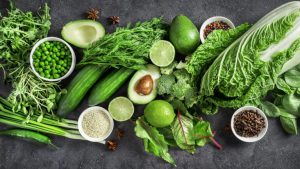
These vegetables are packed with antioxidants like lutein, zeaxanthin, and beta-carotene. Antioxidants help neutralize harmful free radicals in the body, reducing oxidative stress and lowering the risk of chronic diseases.
3. Low in Calories and High in Fiber:
Leafy greens are low in calories but high in dietary fiber, which aids in digestion, promotes satiety, and supports weight management. The fiber content also helps maintain healthy blood sugar levels.
Popular Leafy Greens;
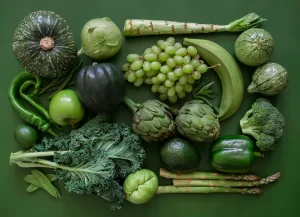
Green veggies
1. Spinach:
Rich in iron and vitamins A and C, spinach is versatile and can be used in salads, smoothies, and cooking.
2. Kale:
Known for its dense nutrient content, kale is high in vitamins K, A, and C. It can be used in salads, soups, or baked as crispy kale chips.
3. Swiss Chard:

Green veggies
With its colorful stems and dark green leaves, Swiss chard is a good source of vitamins K and A, as well as magnesium. It’s great sautéed or added to soups
4. Romaine Lettuce:
A popular salad base, romaine lettuce is high in vitamins A and K and provides a crunchy texture.
5. Arugula:
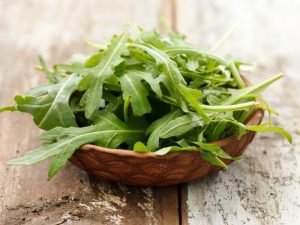
Green veggies
This peppery green adds a unique flavor to salads and dishes, and is rich in vitamins A and K.
How to Include Leafy Greens in Your Diet;

Green veggies
– Salads: Use a mix of leafy greens as the base for salads, adding a variety of vegetables, nuts, and lean proteins.
– Smoothies: Blend spinach or kale into smoothies for an easy nutrient boost.
– Soups and Stews: Add chopped greens to soups and stews for extra flavor and nutrition.
– Sautéed or Steamed: Lightly cook leafy greens with a bit of olive oil and garlic for a simple side dish.
Summary
The edible portions of plants that are utilized for food include leaves, stems, roots, and flowers. They are rich in vitamins, minerals, and fiber—all essential components of a balanced diet—and low in calories. Root vegetables (carrots, potatoes), leafy greens (spinach, lettuce), and cruciferous vegetables (broccoli, cauliflower) are examples of vegetables that are classified according to the portion of the plant that is consumed.

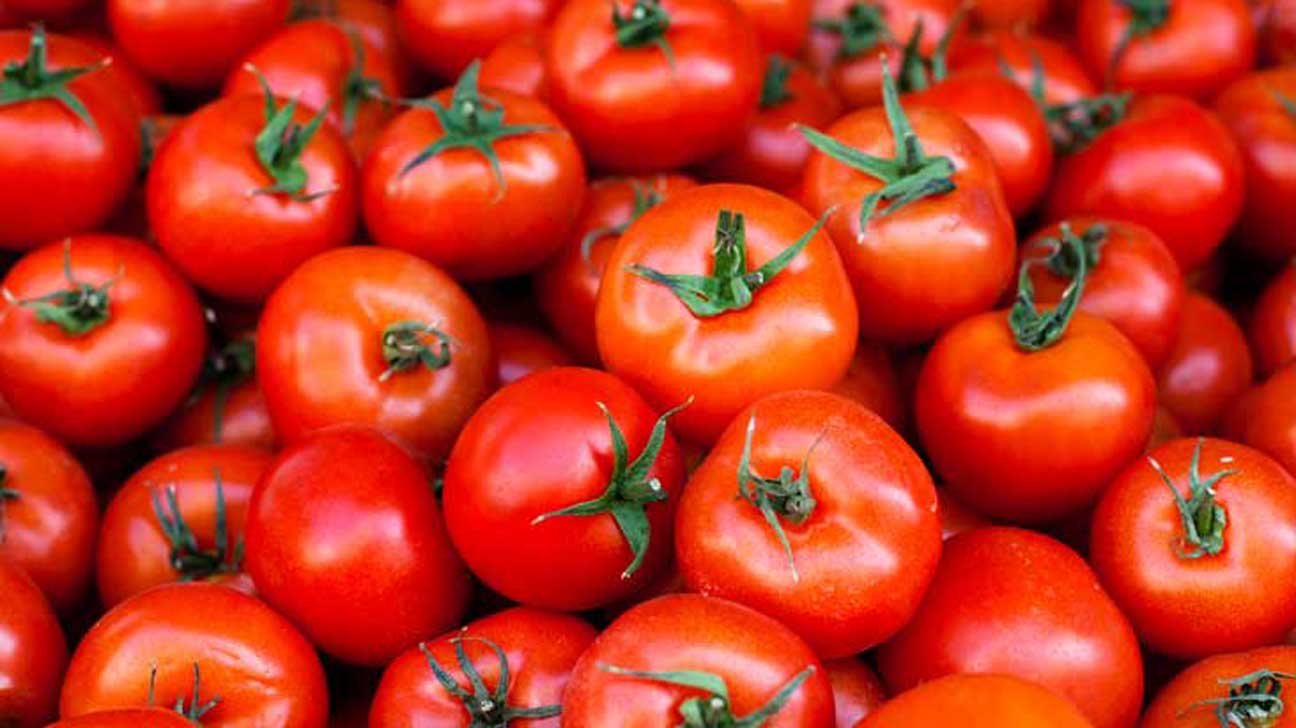
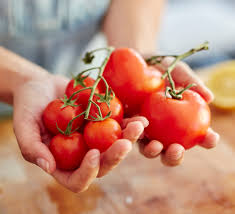
Fresh tomatoes health impacts. Though they can occasionally live longer in greenhouses, tomato plants are vines that are mostly annual and susceptible to frost. It is possible for the flowers to self-fertilize. The taste and flavor of the fruit have been diminished in modern types because they are engineered to ripen consistently crimson. There are many of varieties that differ in terms of flavor, size, color, and form. Numerous insect pests and nematodes attack tomatoes, while viruses, mildew, and blight fungi can cause illnesses.
FRESH TOMATOES HEALTH IMPACTS
Antioxidants like lycopene, vitamins C, A, and K, potassium, and fiber found in fresh tomatoes can lower the risk of cancer and heart disease, improve skin and eye health, increase immunity, help with digestion, and stabilize blood sugar by preventing free radical damage and promoting cellular function. They are an important component of a balanced diet because they are hydrating, promote bone health, and help prevent sun damage and digital eye strain.
1. Reduce cholesterol and the risk of heart disease;

FRESH TOMATOES HEALTH IMPACTS
However, Globally, heart disease is one of the main causes of death. However, a diet high in tomatoes, which are high in lycopene, has been found to help lower this risk. According to a study of 25 earlier studies, having high blood lycopene levels decreased the risk of heart disease by 14%.
2. A decreased risk of cancer;

FRESH TOMATOES HEALTH IMPACTS
Although, Consuming more tomatoes may reduce the incidence of stomach, prostate, and lung cancer, according to some research. Lycopene and beta-carotene in tomatoes are thought by researchers to lower your risk of developing cancer.
3. Defend yourself from sunburns;

FRESH TOMATOES HEALTH IMPACTS
Meanwhile, tomatoes are beneficial for your skin in addition to your internal health. People who consumed 40 grams of tomato paste with olive oil every day for 10 weeks saw 40% less sunburns, according to a research. It is thought by researchers that tomatoes’ lycopene is responsible for this UV protection.
4. Encourage the Health of the Brain;
Meanwhile, Lycopene and other antioxidants found in tomatoes may offer protection against AD, according to some research. People 70 years of age and older who consume more lycopene than others have been shown to experience a slower loss in cognitive function. To fully comprehend the potential preventive advantages of tomatoes, more human study is required, particularly on adults aged 60 to 65.
5. Stop Constipation;

However, Inadequate consumption of fiber might lead to constipation.7 Consuming tomatoes, which are high in insoluble and insoluble fiber, may remedy constipation issues.
6. Low Risk of Cancer;

Also, Men who eat a lot of tomatoes, especially cooked ones, are less likely to get prostate cancer, according to several studies.3 Antioxidants in tomatoes called beta-carotene and lycopene may have antitumor effects. The type of DNA damage in cells that can cause cancer to form and kill off cancer cells is prevented by antioxidants. Benefits
Summary
Tomatoes, which are high in powerful antioxidants, may lower the risk of cancer and enhance heart health. You seem to be able to do anything you want with tomatoes. They are present in every aspect of our meals, from the ketchup pouring from your fries to the salsa on your chips. And, of course, a crucial part of any salad.
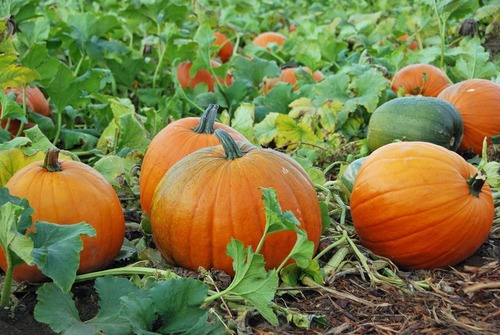

Pumpkin vegetables. A pumpkin belongs to the genus Cucurbita and is a cultivated winter squash. Although there is no scientific definition for the name, it is most frequently used to describe spherical, orange-colored squash types. It can be applied to a wide variety of squashes from several species in the Cucurbita genus, each with a unique appearance. “Pumpkin” is frequently used for certain cultivars of Cucurbita argyrosperma, Cucurbita ficifolia, Cucurbita maxima, Cucurbita moschata, and Cucurbita pepo. It is occasionally used interchangeably with “squash” or “winter squash.”
PUMPKIN VEGETABLES
Pumpkin is the fruit of some squash cultivars in the gourd family (Cucurbitaceae), such as Cucurbita pepo, C. moschata, and C. maxima. It is typically distinguished by a firm orange rind with characteristic grooves. Pumpkins are frequently grown for cattle feed, human consumption, and adornment.
1. Encourages Good Heart Health;

Pumpkin leaves contain a lot of soluble fiber, which lowers the absorption of cholesterol. A low cholesterol level lowers the chance of heart disease. Additionally, potassium content prevents irregular heartbeats.
2. Diminishes Rheumatoid Arthritis Signs;
Pumpkin plant leaves contain vitamin B6, which helps reduce arthritis-related joint and muscular discomfort.
3. Assist in Reducing Premenstrual Syndrome;

Pumpkin leaves, which contain manganese, can help control and lessen headaches, mood swings, irritability, and depression.
4. Maintains Dental Health;
For healthy bones and gums, phosphorus is essential. The vitamin D, calcium, and phosphorus found in pumpkin leaves are essential for the health of teeth and gums. These nutrients help maintain the mineral density of the jaw bone and the tooth enamel that keeps the tooth in place.
5. Promote Bone Strength;

PUMPKIN VEGETABLES
The leaves are rich in calcium and phosphorus, which are necessary for healthy bones. It also helps prevent tight joints and bone discomfort when taken frequently.
6. Support Colon Cancer Research;
Pumpkin leaves aid in the treatment of colon cancer. But how? Its soluble and insoluble fiber helps to facilitate bowel movements. By maintaining intestinal health, a smooth bowel movement stops the growth of malignant tumors in the colon.
7. Encourages Immune System Function;

PUMPKIN VEGETABLES
The body’s immune system is strengthened by the iron that is rich in pumpkin leaves. The body can fight off infections and a number of illnesses when its immune system is strong. Iron also aids in the healing of red blood cells, which improves the flow of oxygen throughout cells, tissues, and organs.
8. Offers Soft, Supple Skin;
About 4% of the Daily Value of Vitamin A is met by one cup, or 39 g, of pumpkin leaves. It aids in protecting the skin from pollutants and free radicals, which frequently cause damage. Additionally, because the leaves contain a lot of water, hydration is retained, resulting in soft, supple skin. Retaining moisture also helps shield the skin from some ailments.
9. Lowers the Chance of Long-Term Conditions;

PUMPKIN VEGETABLES
Important antioxidants such as beta-kryptoxanthin, beta-carotene, and alpha-carotene are found in pumpkin. It aids in preventing the harm that free radicals can cause.
Summary
Pumpkin leaves have health benefits. Almost every part of the pumpkin plant, including the fruit, seeds, leaves, and stems, is edible and has several health benefits. The delicate pumpkin leaves are often used in sour chutneys with other green leafy vegetables or as a main course savory dish.


Guidelines for pruning tomato plants. When pruning tomatoes, especially indeterminate varieties, pinch or trim suckers (shoots in leaf-stem crotches) for improved airflow and energy concentrate on fruit, and remove lower leaves that touch the earth to prevent disease. While allowing determinate plants to grow bushy, use clean tools, trim in the sun, and concentrate on eliminating unproductive growth such as lower leaves and little suckers. For larger ones, you may want to use the “Missouri” method (pinch off growing tip, leave leaves).
GUIDELINES FOR PRUNING TOMATO PLANTS
In order to improve air circulation, lessen disease, and concentrate energy on fruit, especially for indeterminate tomato plants, pruning entails removing suckers (shoots in leaf axils) and lower leaves that touch the soil. Use clean tools, start when the plant is young (2-4 inches), and never overprune, leaving enough foliage for photosynthesis. It’s important to know your plant type (determinate vs. indeterminate), as determinates require less pruning.
Pruning Tomatoes Tips;

1. Get to know your tomato plants. Tomatoes are categorized according to their growing habits. A tomato cultivar is characterized as determinate or indeterminate. Determine a height of 4 or 5 feet before stopping and beginning to produce fruit. All fruit on a determinate tomato plant ripens in roughly 4 to 6 weeks.

2. Begin pruning tomato plants once the blossoms have appeared. After the first flower buds form and open, tomato plants begin to produce suckers, or extra stems with foliage that is unnecessary. This usually happens a few months after planting young transplants in the garden. Tomato plants often blossom in June or July.
3. Eliminate suckers. Tomato plants develop main stems and leaf branches. Fruit grows on the primary leaf branches. Suckers emerge at the juncture of the main stem and primary leaf branches.
More Tips;

Guidelines for pruning tomato plants
They’re easy to spot once you know what to look for.
4. Get rid of the lowest leaves. Pruning tomato plants to remove leaves from the lower 6 to 12 inches. the main stem keeps disease-causing bacteria and fungi in the soil from spilling onto the plant when it rains or you water it.
5. While slicing tomatoes, thin out the fruit. Tomato cultivars that yield slicing fruit, such as ‘Celebrity,’ ‘Jet Star,’ and ‘Brandywine,’. produce more fruit when the plant’s fruit clusters are reduced to one or two tomatoes. Simply remove the developing fruit, leaving only the largest one or two tomatoes in the cluster.

Guidelines for pruning tomato plants
6. Always keep it clean. Pruning tomato plants results in open wounds. Wounds, like cuts, serve as entry routes for infection. When pruning tomatoes, always wash your hands with soap and water or use hand sanitizer.
Summary
Advice for trimming tomato plants. Naturally, this produces a large number of leaves but comparatively few fruits. On the other hand, you may simply balance the production of leaves and fruit by pruning tomato plants. In addition to producing more tomatoes per plant, trimming excess foliage also yields larger, better-quality fruit.

Holidays and Vacations

Bilingual Education Impacts

Career Tips

A Step-by-Step Guide to Deleting Reels on Instagram

How to Create a WhatsApp Group