Health
Health hazards of dust

Health hazards of dust. Dust may appear to be a minor annoyance, but its negative impacts on health should not be disregarded. Dust exposure can have a variety of negative consequences on people’s health, including respiratory issues, allergic reactions, and skin irritation. People can lower health risks and create healthier indoor and outdoor settings for themselves and their family by taking proactive steps to reduce dust exposure, such as routine cleaning, adequate ventilation, and wearing personal protection equipment when needed.
HEALTH HAZARDS OF DUST
Dust is more than simply an annoyance, but it also poses serious health hazards that can affect people of all ages. The impact of dust on health can be extensive and potentially serious, ranging from skin irritation to respiratory issues. This article will examine the different ways that dust exposure can impact health and go over measures to reduce these hazards.
1. Respiratory Issues;


One of the most well-known effects of dust on health is its impact on the respiratory system. Inhaling dust particles can irritate the airways, leading to symptoms such as coughing, wheezing, and shortness of breath. For individuals with pre-existing respiratory conditions like asthma or chronic obstructive pulmonary disease (COPD), exposure to dust can exacerbate symptoms and trigger respiratory flare-ups.
2. Allergic Reactions;
Dust is a common allergen that can trigger allergic reactions in susceptible individuals. Dust mites, microscopic creatures found in household dust, are a primary source of allergens. When inhaled or in contact with the skin, dust mite allergens can cause symptoms such as sneezing, runny or stuffy nose, itchy eyes, and skin rashes. Allergic reactions to dust can significantly impact quality of life and may require medical intervention to manage symptoms effectively.
3. Skin Irritation;

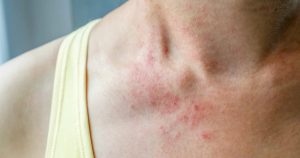
Health hazards of dust
In addition to respiratory and allergic reactions, dust can also irritate the skin upon contact. Dust particles can contain various substances, including chemicals, pollutants, and microorganisms, which may irritate sensitive skin or cause allergic dermatitis. Prolonged exposure to dust without proper protective measures can lead to dryness, redness, itching, and inflammation of the skin.
4. Eye Irritation;
Dust particles can irritate the delicate tissues of the eyes, leading to symptoms such as redness, itching, burning, and excessive tearing. Individuals who work in environments with high levels of dust, such as construction sites or industrial settings, are particularly susceptible to eye irritation. Proper eye protection, such as safety goggles or glasses, is essential to prevent dust-related eye injuries and discomfort.
5. Respiratory Infections;


Health hazards of dust
In addition to irritating the respiratory system, certain types of dust can also harbor bacteria, viruses, and other pathogens that can cause respiratory infections. Prolonged exposure to contaminated dust can increase the risk of respiratory illnesses such as bronchitis, pneumonia, and sinus infections. Practicing good hygiene, including frequent handwashing and avoiding touching the face, can help reduce the risk of respiratory infections caused by dust exposure.
Summary
Inhaling dust, especially tiny particles (PM10/PM2.5), can lead to serious health risks, such as lung disorders (silicosis, bronchitis), respiratory conditions (asthma, COPD), and cardiovascular concerns. While typical household dust can cause allergies and infections, long-term exposure to dangerous dusts can result in lung scarring and cancer.