Foot health
Healthy Foot Creams

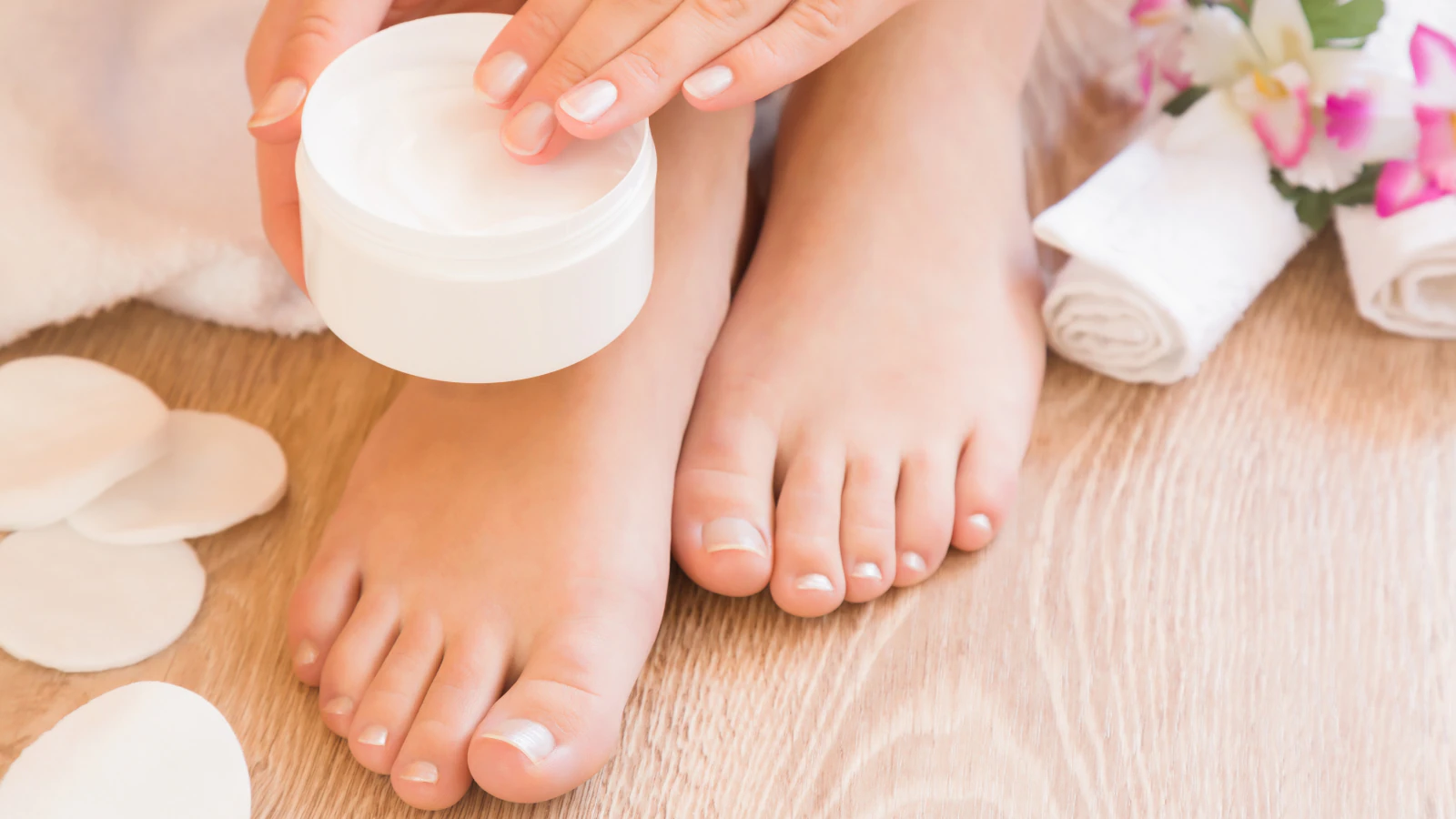
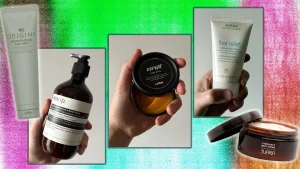
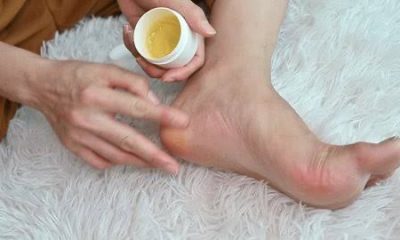
Healthy foot creams. Your foot care regimen can be completely changed by selecting the best foot lotion, which can effectively treat problems including dryness, roughness, and cracked heels. There is a product to suit every requirement, whether you like a more thorough treatment like Flexitol Heel Balm or a natural recipe like Burt’s Bees Coconut Foot Cream. Your feet will remain soft, smooth, and healthy all year long if you use these highly recommended foot creams on a regular basis.
HEALTHY FOOT CREAMS
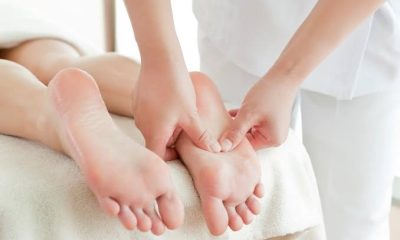
Foot creams exfoliate rough areas, repair damaged heels, and profoundly hydrate and soften skin. Additionally, they relieve aching feet, fight germs and fungi to avoid infections, lessen odor, and enhance the general look of your feet. Applying them can be a calming self-care practice that encourages circulation and general well-being.
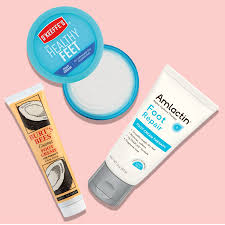
1. O’Keeffe’s Healthy Feet Foot Cream;

Formulation and Benefits:
O’Keeffe’s Healthy Feet Foot Cream is known for its potent blend of glycerin and allantoin, designed to provide intense hydration and repair severely dry, cracked skin. It creates a protective barrier on the skin’s surface, preventing moisture loss and ensuring long-lasting relief.
Effectiveness:
Users report noticeable improvements in skin texture and moisture levels within a few days of consistent use. It’s particularly effective for those with extremely dry, rough feet, providing deep hydration and smoothing calluses.
2. Burt’s Bees Coconut Foot Cream;
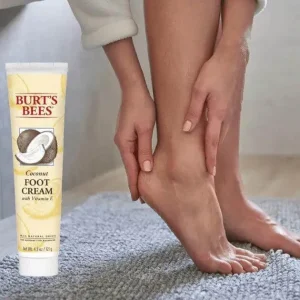
Healthy foot creams
Formulation and Benefits:
Burt’s Bees Coconut Foot Cream combines coconut oil, rosemary extract, and peppermint oil to deliver a nourishing and refreshing experience. The natural ingredients provide intense hydration, while the peppermint oil offers a soothing, cooling effect.
Effectiveness:
This foot cream is excellent for moisturizing and softening dry feet. The thick, emollient texture makes it ideal for overnight use, leaving feet feeling soft and rejuvenated by morning. Users appreciate its natural formulation and pleasant scent.
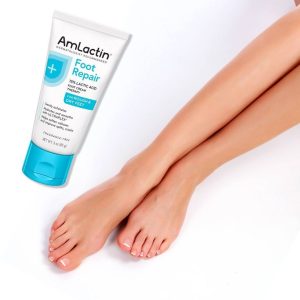
3. AmLactin Foot Repair;
Formulation and Benefits:
AmLactin Foot Repair Cream contains 15% lactic acid, a powerful alpha-hydroxy acid (AHA) that exfoliates and hydrates the skin. This formulation helps to remove dead skin cells, smooth rough patches, and improve overall skin texture.
Effectiveness:
Highly effective for treating calluses and thickened skin, AmLactin is often recommended by dermatologists for its exfoliating and moisturizing properties. Regular use results in softer, smoother feet, making it a great choice for those with severe dryness and roughness.
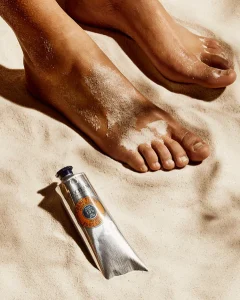
4. L’Occitane Shea Butter Foot Creams;
Healthy foot creams
Formulation and Benefits:
L’Occitane’s Shea Butter Foot Cream features a blend of shea butter, lavender essential oil, and arnica extract. Shea butter deeply nourishes and hydrates, while lavender oil provides a soothing scent and arnica helps to reduce inflammation and soreness.
Effectiveness:
This luxurious foot cream is beloved for its rich, creamy texture and effective moisturizing properties. It’s particularly good for soothing tired, achy feet while providing intense hydration and softening. Users often note its calming fragrance and immediate soothing effect.
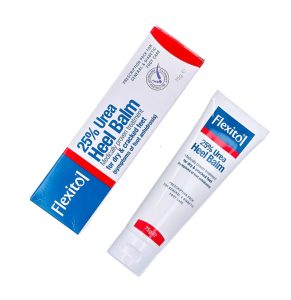
5. Flexitol Heel Balm;
Healthy foot creams
Formulation and Benefits:
Flexitol Heel Balm contains urea, an ingredient known for its powerful hydrating and exfoliating properties. It also includes lanolin and other emollients to lock in moisture and repair cracked heels.
Effectiveness:
Recommended for those with severely cracked heels, Flexitol Heel Balm works quickly to heal and soften the skin. Users frequently report significant improvements in the appearance and feel of their heels after just a few applications, making it a top choice for intensive foot care.
Summary
Although it’s sometimes forgotten in everyday skincare procedures, taking care of your feet is crucial. Particularly for people with dry feet, calluses, or damaged heels, effective foot lotions can make a big impact. Here is a list of five top-rated foot creams that work wonders.





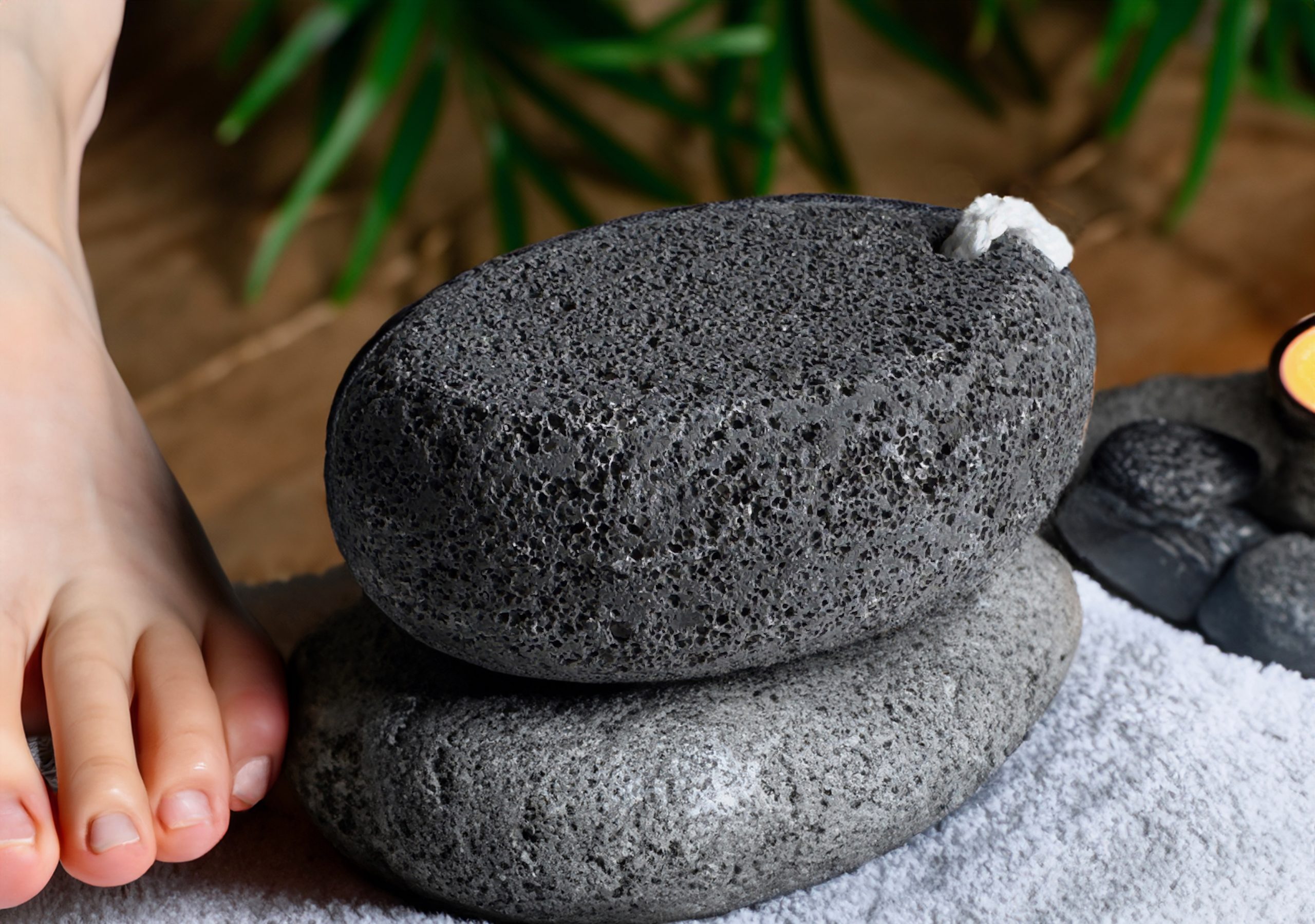
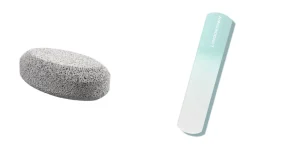
Pumice stone relevance. Two efficient, all-natural ways to get rid of dead skin, calluses, and cracked skin on feet are both. Although it, which are porous volcanic pebbles, are ideal for severely smoothing calluses, theyare frequently softer and more hydrating. Once or twice a week, massage soft, wet skin with it.
PUMICE STONE RELEVANCE
Dead skin, calluses, and corns must be removed with it in order to create softer, smoother feet and better cleanliness. These instruments, especially if made of volcanic lava, offer mild, all-natural, and reasonably priced exfoliation to smooth out rough areas and enhance the texture of the skin as a whole.
Benefits:
1.Removes Dead Skin:
PUMICE STONE RELEVANCE
Both tools effectively exfoliate and remove dead skin layers, leaving your feet smoother and softer.
2.Prevents Calluses:
Routine use helps prevent the build-up of thick, hardened skin that can turn into painful calluses.
3.Improves Skin Texture:
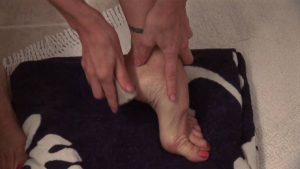
Exfoliation promotes smoother skin and helps prevent cracks, especially on the heels.
4.Enhances Absorption:
Exfoliating makes it easier for moisturizing creams and treatments to penetrate and hydrate the skin more effectively.
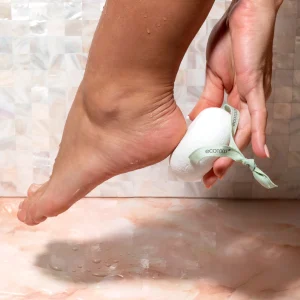
PUMICE STONE RELEVANCE
The massaging action of using both can stimulate blood flow, promoting healthier skin.
How to Use:
– Soften the Skin:
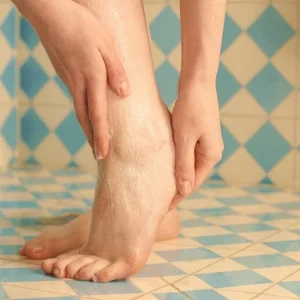
PUMICE STONE RELEVANCE
Soak your feet in warm water for 10-15 minutes.
– Apply the Scrub or Stone:
Use a IT in a gentle circular motion or apply it to exfoliate the skin.
– Rinse and Moisturize:
PUMICE STONE OR FOOT SCRUB
Rinse your feet, dry them thoroughly, and follow up with a moisturizer to lock in hydration.
Summary
Your feet will remain soft, smooth, and free of dead skin if you include it in your foot care regimen.An vital item for keeping feet healthy and smooth. Frequent application promotes soft, refreshed skin, avoids calluses, and eliminates dead skin cells.
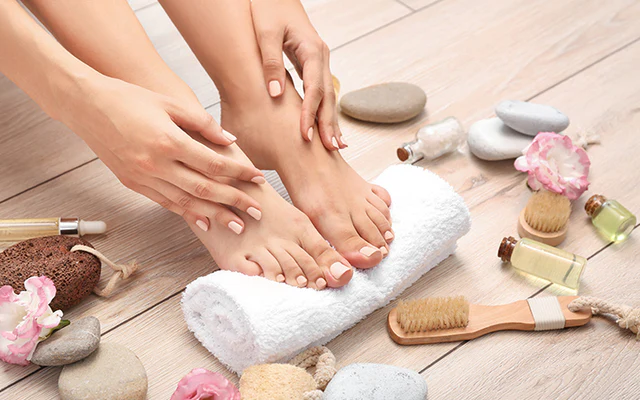
Tips for foot moisturizers. In order to avoid water loss and lessen dryness, moisturizers are necessary cosmetic preparations that hydrate, lubricate, and maintain the skin barrier by imitating natural sebum. They come in a variety of formulas that are appropriate for different skin types, such as creams, lotions, and gels, and are essential for preserving smooth, plump skin. Common varieties include humectants (like glycerin) to draw in water, occlusives (like petroleum jelly) to seal in moisture, and emollients for smoothing.
TIPS FOR FOOT MOISTURIZERS
You can keep your feet soft, healthy, and prepared to face the day by including a foot moisturizer in your nighttime or daily routine.Apply petroleum jelly, urea-based moisturizers, or thick creams on slightly damp skin just after showering to seal in moisture and increase the efficiency of foot moisturizers. Wear cotton socks overnight to improve absorption, concentrate on the heels, and massage in circular motions to increase circulation. Important tip: To stop the formation of fungi, avoid putting lotion between your toes.
Keeping your feet moisturized is essential for overall foot health. A good foot moisturizer helps maintain soft, smooth skin and prevents common issues like dryness, cracking, and calluses. Often, our feet endure the most stress and pressure throughout the day, making proper hydration and care crucial.
Benefits:
1. Prevents Dryness and Cracks:
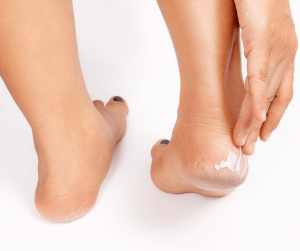
Regular use of a foot moisturizer keeps the skin hydrated and prevents painful cracks, especially on the heels.
2. Softens Calluses:
Moisturizers help soften tough calluses and rough patches, making the skin feel smoother and easier to manage.
3. Reduces Discomfort:
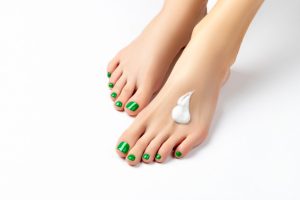
Hydrated feet are less prone to irritation and itching caused by dryness.
4.Promotes Healthy Skin:
Consistent moisture helps maintain the skin barrier, reducing the risk of infections and enhancing the overall appearance of the feet.
5. Boosts Relaxation:
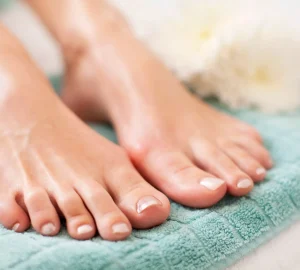
Tips for foot moisturizers
Massaging a foot moisturizer into your skin can be a soothing way to unwind and promote circulation.
How to Use a Foot Moisturizer:
1. Cleanse First: Wash your feet with warm water and mild soap, then pat them dry.
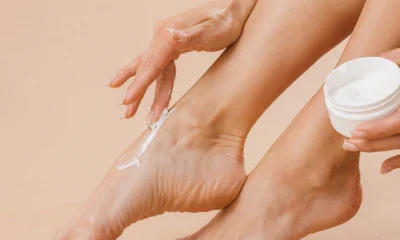
2. Apply Generously: Use a good-quality foot cream or moisturizer, focusing on the heels and any rough areas.
3. Massage In:
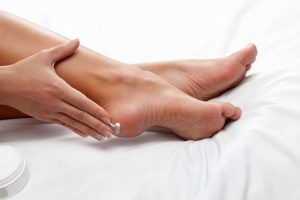
Tips for foot moisturizers
Gently massage the product into your skin to help with absorption and stimulate blood flow.
4. Seal in Moisture: For maximum benefits, apply the moisturizer before bed and wear cotton socks overnight to lock in the moisture.
Choosing the Right Moisturizer:
Tips for foot moisturizers
Look for products with hydrating ingredients such as shea butter, coconut oil, urea, or hyaluronic acid. For extra care, choose moisturizers with antibacterial or antifungal properties if you’re prone to foot odor or infections.
Summary
Urea, shea butter, or salicylic acid are common ingredients in effective foot moisturizers for dry, cracked skin because they soften thick skin and retain moisture. The best options for restoring heel softness in Nigeria include Vaseline products, Aichun Beauty Foot Cream, and Numis Med Urea 10%.
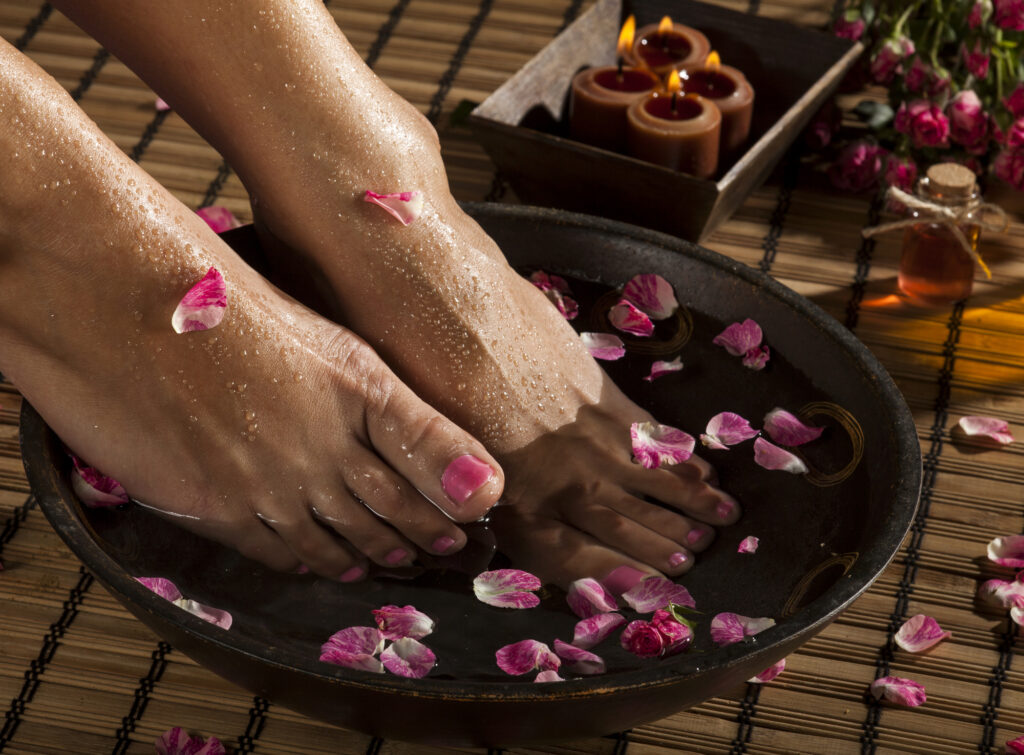
Foot soak advantages. This which usually consists of 15 to 20 minutes in warm water infused with Epsom salts, aromatic oils, or baking soda, is a therapeutic procedure for unwinding, cleansing, and exfoliating feet. It softens calluses and dead skin while lowering stress, foot pain, and edema. Essential oils for relaxation, vinegar for bacteria, and Epsom salt for soreness are common additives
FOOT SOAK ADVANTAGES
The way your feet feel and work can be greatly improved by include a foot bath in your self-care regimen. enhancing wellbeing and comfort. A foot bath is a quick and easy self-care routine that relieves aching feet and offers several health advantages. A foot bath may revitalize and revitalize your feet, whether it’s done as part of a pampering routine or at the conclusion of a long day.
Benefits:
1.Relieves Foot Pain and Fatigue:

Warm water soothes sore muscles, reduces swelling, and provides relief after prolonged standing or walking.
2. Improves Circulation:
The warm temperature promotes better blood flow to the feet, helping to ease tension.
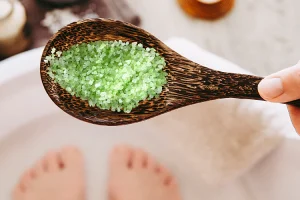
Adding ingredients like Epsom salt or essential oils helps soften calluses and remove dead skin cells.
4. Fights Odor and Infections:
Foot soak advantages
Foot soaks with natural additives such as tea tree oil. Or vinegar can help eliminate bacteria and fungi, reducing odor and preventing infections.
5. Promotes Relaxation:
Soaking your feet can alleviate stress and encourage relaxation, making it a great end-of-day ritual.
How to Do a Foot Soak:
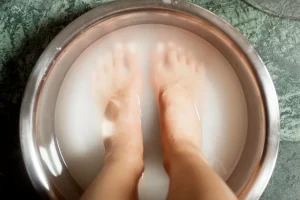
1. Prepare a Basin:
Foot soak advantages
Fill a basin with warm water deep enough to cover your feet up to the ankles.
2. Add Your Preferred Ingredients:
Mix in Epsom salt for muscle relaxation, essential oils (like lavender for calming or tea tree for antibacterial properties), or vinegar for odor ctrol.
3. Soak Your Feet:
Immerse your feet in the water for 15-20 minutes.
4. Dry and Moisturize:
Foot soak advantages
Pat your feet dry with a towel and apply a moisturizer to lock in hydration and keep your skin soft.
Summary
Foot soaks have many advantages, such as relieving tense muscles, lowering stress levels, increasing blood flow, and easing calluses or dry skin. Frequent warm foot baths can improve sleep quality, reduce joint stiffness, and lessen standing pains. Additionally, they work well to calm, lessen foot pain, and get skin ready for pedicures.
.

Holidays and Vacations

Bilingual Education Impacts

Career Tips

A Step-by-Step Guide to Deleting Reels on Instagram

How to Create a WhatsApp Group