Foot health
Healthy Foot Creams

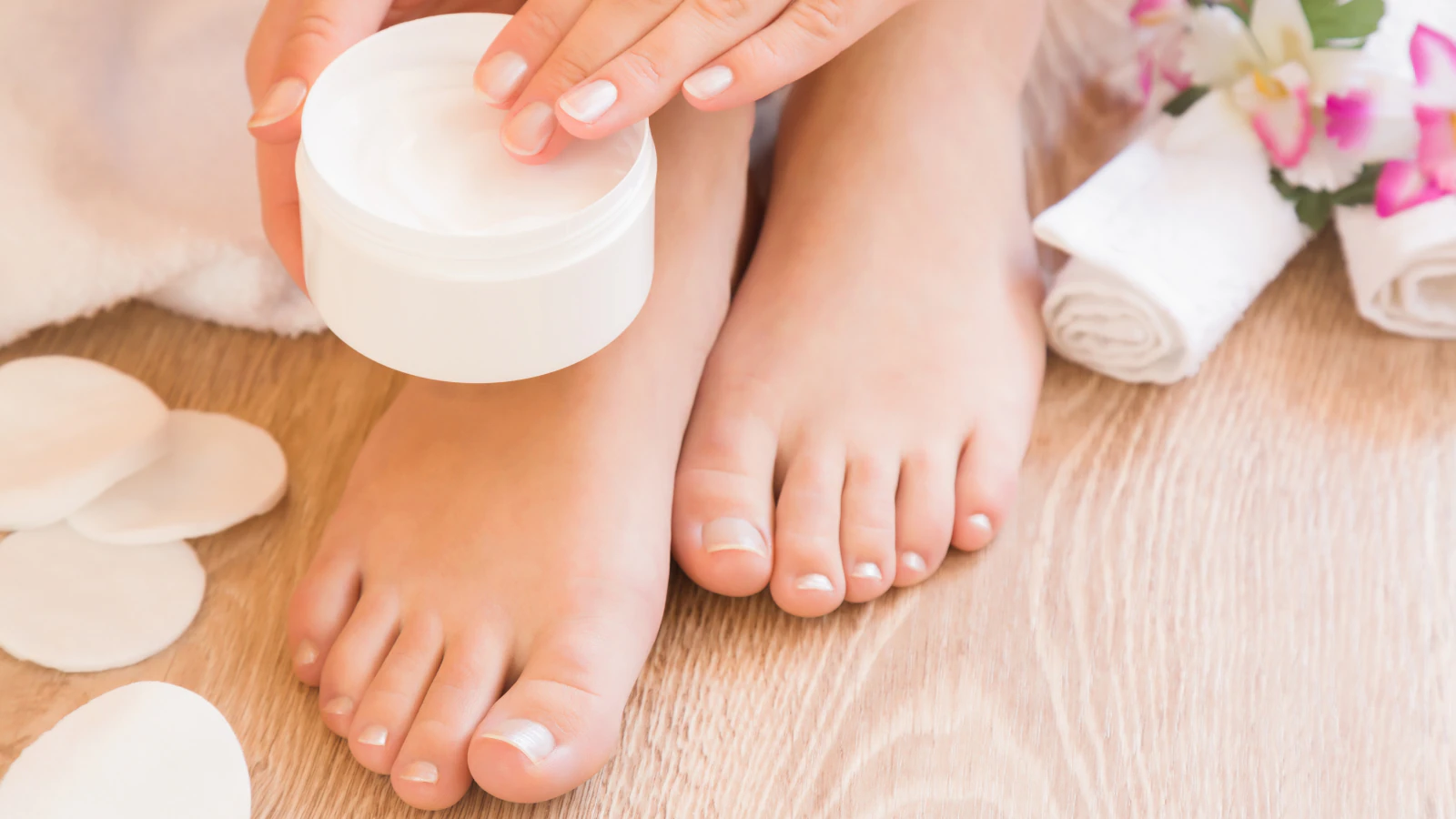

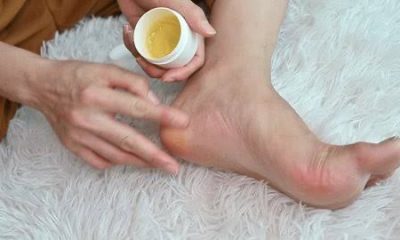
Healthy foot creams. Your foot care regimen can be completely changed by selecting the best foot lotion, which can effectively treat problems including dryness, roughness, and cracked heels. There is a product to suit every requirement, whether you like a more thorough treatment like Flexitol Heel Balm or a natural recipe like Burt’s Bees Coconut Foot Cream. Your feet will remain soft, smooth, and healthy all year long if you use these highly recommended foot creams on a regular basis.
HEALTHY FOOT CREAMS
Foot creams exfoliate rough areas, repair damaged heels, and profoundly hydrate and soften skin. Additionally, they relieve aching feet, fight germs and fungi to avoid infections, lessen odor, and enhance the general look of your feet. Applying them can be a calming self-care practice that encourages circulation and general well-being.
1. O’Keeffe’s Healthy Feet Foot Cream;

Formulation and Benefits:
O’Keeffe’s Healthy Feet Foot Cream is known for its potent blend of glycerin and allantoin, designed to provide intense hydration and repair severely dry, cracked skin. It creates a protective barrier on the skin’s surface, preventing moisture loss and ensuring long-lasting relief.
Effectiveness:
Users report noticeable improvements in skin texture and moisture levels within a few days of consistent use. It’s particularly effective for those with extremely dry, rough feet, providing deep hydration and smoothing calluses.
2. Burt’s Bees Coconut Foot Cream;
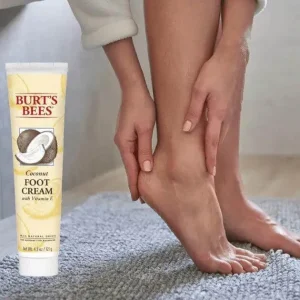
Healthy foot creams
Formulation and Benefits:
Burt’s Bees Coconut Foot Cream combines coconut oil, rosemary extract, and peppermint oil to deliver a nourishing and refreshing experience. The natural ingredients provide intense hydration, while the peppermint oil offers a soothing, cooling effect.
Effectiveness:
This foot cream is excellent for moisturizing and softening dry feet. The thick, emollient texture makes it ideal for overnight use, leaving feet feeling soft and rejuvenated by morning. Users appreciate its natural formulation and pleasant scent.
3. AmLactin Foot Repair;

Formulation and Benefits:
AmLactin Foot Repair Cream contains 15% lactic acid, a powerful alpha-hydroxy acid (AHA) that exfoliates and hydrates the skin. This formulation helps to remove dead skin cells, smooth rough patches, and improve overall skin texture.
Effectiveness:
Highly effective for treating calluses and thickened skin, AmLactin is often recommended by dermatologists for its exfoliating and moisturizing properties. Regular use results in softer, smoother feet, making it a great choice for those with severe dryness and roughness.
4. L’Occitane Shea Butter Foot Creams;
Healthy foot creams
Formulation and Benefits:
L’Occitane’s Shea Butter Foot Cream features a blend of shea butter, lavender essential oil, and arnica extract. Shea butter deeply nourishes and hydrates, while lavender oil provides a soothing scent and arnica helps to reduce inflammation and soreness.
Effectiveness:
This luxurious foot cream is beloved for its rich, creamy texture and effective moisturizing properties. It’s particularly good for soothing tired, achy feet while providing intense hydration and softening. Users often note its calming fragrance and immediate soothing effect.
5. Flexitol Heel Balm;

Healthy foot creams
Formulation and Benefits:
Flexitol Heel Balm contains urea, an ingredient known for its powerful hydrating and exfoliating properties. It also includes lanolin and other emollients to lock in moisture and repair cracked heels.
Effectiveness:
Recommended for those with severely cracked heels, Flexitol Heel Balm works quickly to heal and soften the skin. Users frequently report significant improvements in the appearance and feel of their heels after just a few applications, making it a top choice for intensive foot care.
Summary
Although it’s sometimes forgotten in everyday skincare procedures, taking care of your feet is crucial. Particularly for people with dry feet, calluses, or damaged heels, effective foot lotions can make a big impact. Here is a list of five top-rated foot creams that work wonders.








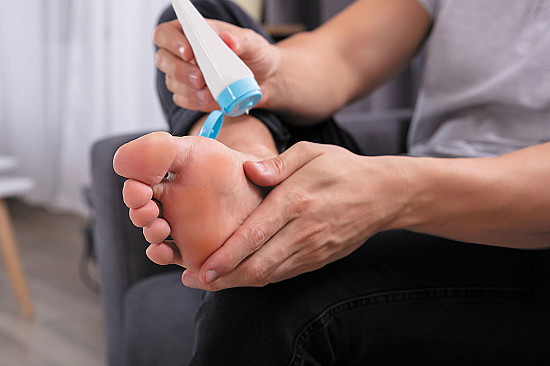
Men healthy feet tips. Maintaining mobility, avoiding injuries, and leading an active lifestyle all depend on putting foot health first. You can keep your feet in excellent shape and move boldly toward a healthier, happier life by adhering to these five healthy foot tips: picking the right shoes, maintaining good hygiene, keeping a healthy weight, doing foot stretches and exercises, and scheduling routine foot exams.
MEN HEALTHY FEET TIPS
Wash your feet every day in warm water and make sure they are totally dry (particularly between the toes to prevent fungus) to keep them healthy. Wear supportive, well-fitting shoes, trim your toenails straight across to prevent ingrown nails, and moisturize every day, but stay away from lotion between your toes. Maintaining healthy feet is crucial for overall well-being and mobility, yet it’s often a neglected aspect of self-care, especially among men. From wearing the right footwear to practicing good hygiene, here are five essential tips to keep your feet healthy and happy.
1. Choose the Right Shoes;

Wearing properly fitting shoes is essential for preventing foot problems such as blisters, calluses, and bunions. Opt for shoes that provide adequate support, cushioning, and room for your toes to move comfortably. Avoid shoes that are too tight or narrow, as they can cause discomfort and lead to foot deformities over time.
2. Practice Proper Hygiene;
Good foot hygiene is key to preventing common foot ailments such as athlete’s foot and toenail fungus. Wash your feet daily with warm water and mild soap, paying special attention to the spaces between your toes. Dry your feet thoroughly, especially between the toes, to prevent moisture buildup, which can promote fungal growth. Additionally, trim your toenails regularly and keep them clean to avoid ingrown toenails.
3. Maintain a Healthy Weight;

Men healthy feet tips
Carrying excess weight can put strain on your feet and exacerbate foot problems such as plantar fasciitis and heel pain. Maintain a healthy weight through regular exercise and a balanced diet rich in fruits, vegetables, lean proteins, and whole grains. Losing weight can help alleviate pressure on your feet and improve overall foot health.
4. Practice Foot Stretches and Exercises;
Stretching and exercising your feet can help improve flexibility, strength, and circulation, reducing the risk of foot injuries and discomfort. Incorporate simple foot stretches into your daily routine, such as toe curls, ankle circles, and calf stretches. Additionally, consider performing exercises that target the muscles in your feet, such as picking up small objects with your toes or rolling a tennis ball under your feet.
5. Schedule Regular Foot Check-ups;
Men healthy feet tips
Regular foot check-ups with a podiatrist or foot specialist are essential for maintaining optimal foot health, especially if you have pre-existing conditions such as diabetes or arthritis. A podiatrist can identify and treat foot problems early, provide personalized recommendations for foot care, and address any concerns or discomfort you may be experiencing. Schedule annual check-ups or seek medical attention if you notice any signs of foot pain, swelling, or abnormal changes.
Summary
A simple daily regimen will help you maintain healthy feet: wash and completely dry your feet, paying specific attention to the spaces between your toes; change your socks every day; and trim your toenails straight across. Wear well-fitting, ventilated shoes to prevent fungal growth and refrain from going barefoot in public areas to avoid infections.
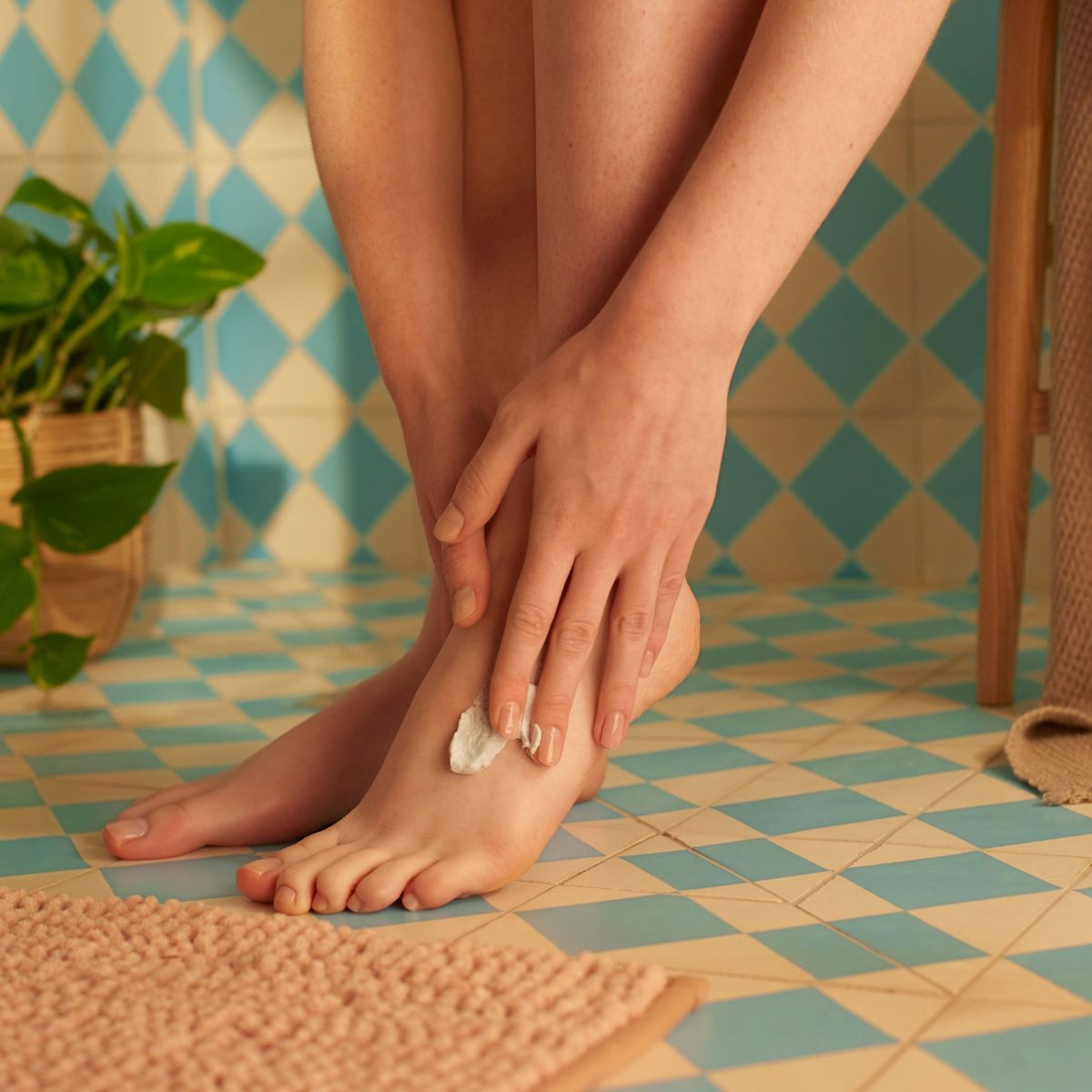
Women feet tips. For women to remain active, at ease, and self-assured in their daily lives, foot health must be prioritized. Women can keep their feet in excellent condition and confidently move toward a healthier, happier life by adhering to these five healthy foot tips: wearing supportive, comfortable shoes, maintaining proper foot hygiene, moisturizing frequently, performing foot stretches and exercises, and scheduling routine foot examinations.
WOMEN FEET TIPS
Simple daily care, appropriate shoe selection, and frequent self-checks are all necessary to maintain healthy feet. Hosiery, footwear (such as high heels), and hormonal/structural changes over time present special foot issues for women. Keep your feet pain-free by implementing these practical, focused suggestions.
1. Wear Comfortable and Supportive Shoes;

Choosing the right footwear is essential for preventing foot problems and maintaining healthy feet. Opt for shoes that provide adequate support, cushioning, and room for your toes to move freely. Avoid wearing high heels for prolonged periods, as they can cause foot pain, bunions, and other issues. Instead, opt for comfortable and supportive shoes for everyday wear, reserving high heels for special occasions.
2. Practice Good Foot Hygiene;
Good foot hygiene is key to preventing common foot ailments such as athlete’s foot, toenail fungus, and odor. Wash your feet daily with warm water and mild soap, paying attention to the spaces between your toes. Dry your feet thoroughly, especially between the toes, to prevent moisture buildup, which can promote fungal growth. Additionally, trim your toenails regularly and keep them clean to avoid ingrown toenails.
3. Moisturize Regularly;
Women feet tips
Moisturizing your feet regularly helps keep the skin soft, supple, and free from dryness and cracks. Apply a moisturizing foot cream or lotion to your feet daily, paying special attention to areas prone to dryness, such as the heels and soles. For an extra treat, indulge in a foot massage using a nourishing oil or cream to soothe tired muscles and promote relaxation.
4. Practice Foot Stretches and Exercises;
Stretching and exercising your feet can help improve flexibility, strength, and circulation, reducing the risk of foot injuries and discomfort. Incorporate simple foot stretches into your daily routine, such as toe curls, ankle circles, and calf stretches. Additionally, consider performing exercises that target the muscles in your feet, such as picking up small objects with your toes or rolling a tennis ball under your feet.
5. Schedule Regular Foot Check-ups;
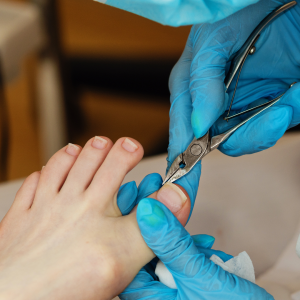
Women feet tips
Regular foot check-ups with a podiatrist or foot specialist are essential for maintaining optimal foot health, especially if you have pre-existing conditions such as diabetes or arthritis. A podiatrist can identify and treat foot problems early, provide personalized recommendations for foot care, and address any concerns or discomfort you may be experiencing. Schedule annual check-ups or seek medical attention if you notice any signs of foot pain, swelling, or abnormal changes.
Summary
Women frequently balance a number of obligations and responsibilities, perhaps ignoring their own self-care, including foot health. But keeping your feet healthy is essential for your general mobility and well-being. These five crucial suggestions will help ladies maintain happy and healthy feet.
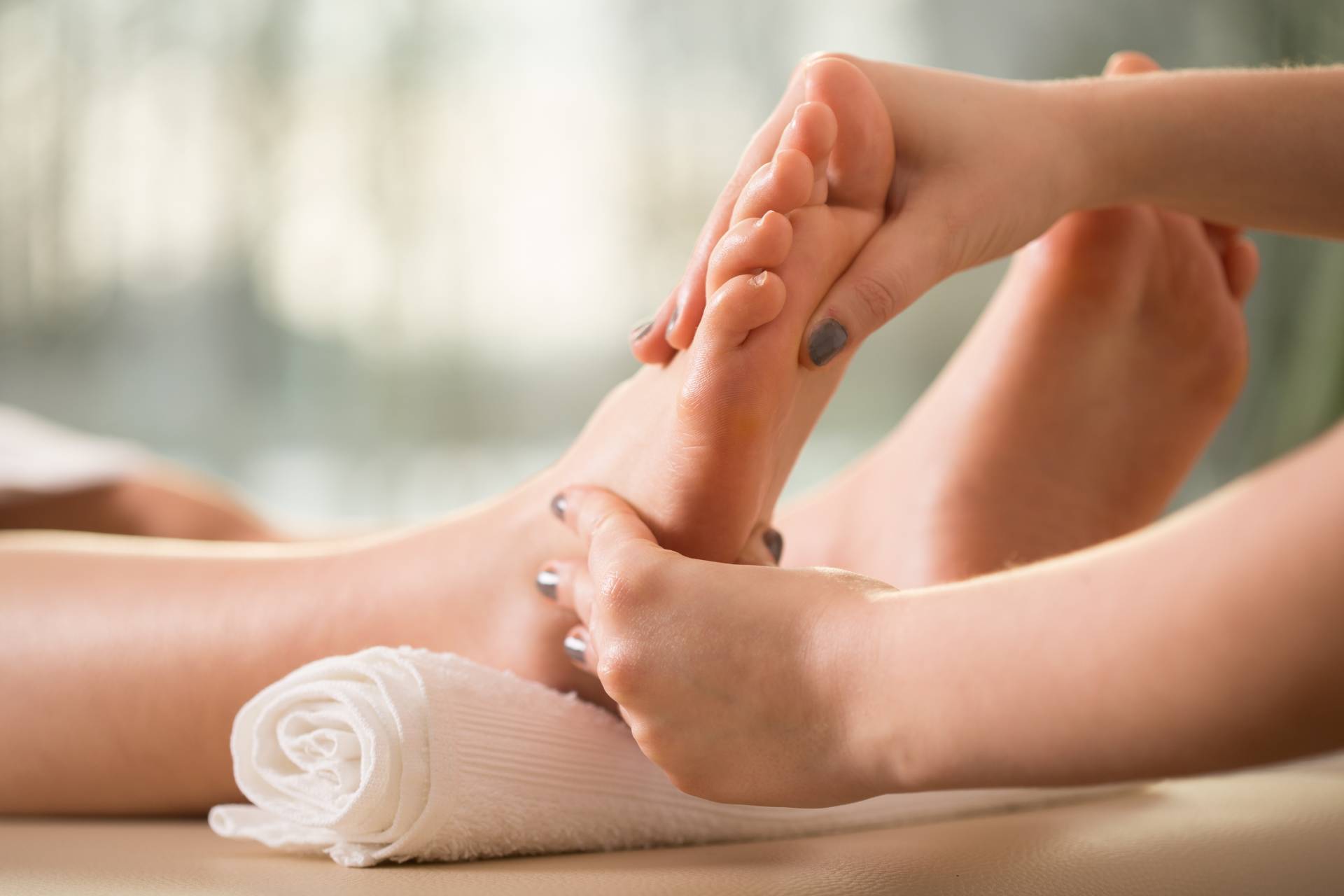
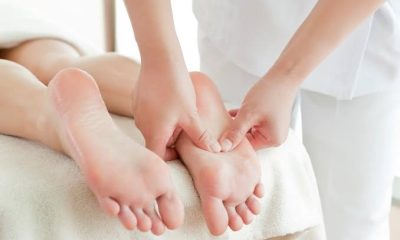
Foot massage relevance. In addition to being a calming experience, foot massages provide other health advantages. Regular foot massages can enhance circulation, lessen discomfort, and encourage mental and physical relaxation, whether they are done professionally or at home.A foot massage offers many advantages that enhance general wellbeing, making it more than just a soothing treatment. By stimulating pressure points in the feet, this ancient therapy has benefits for both physical and emotional health.
FOOT MASSAGE RELEVANCE
By increasing circulation, lowering stress levels, easing pain from ailments like plantar fasciitis, and promoting better sleep, foot massages offer substantial physiological, physical, and mental advantages. They are useful for injury rehabilitation, anxiety reduction, and general relaxation and energy levels because they target pressure points to improve muscle function, joint flexibility, and lymphatic drainage.
Key Benefits;
1. Improves Circulation:
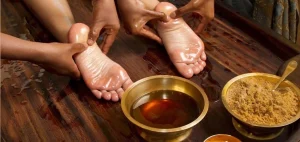
Regular foot massage helps increase blood flow, which is essential for maintaining healthy tissues and muscles. Improved circulation can reduce muscle soreness and promote faster recovery after physical activity.
2. Reduces Stress and Promotes Relaxation:
Foot massages can help release tension and reduce stress levels. The practice activates the nervous system, promoting the release of endorphins—natural feel-good hormones that enhance relaxation.
3. Alleviates Pain:

FOOT MASSAGE RELEVANCE
A foot massage can provide relief from foot pain, muscle soreness, and even headaches. It can be especially helpful for people who spend long hours standing or those with conditions like plantar fasciitis.
4. Enhances Sleep Quality:
Massaging the feet before bedtime can encourage better sleep by reducing tension and promoting relaxation. It is a simple and effective way to unwind and prepare for a restful night.
5. Boosts Mood and Mental Health:

FOOT MASSAGE RELEVANCE
The calming effects of a foot massage can help reduce anxiety and improve mood. It has been found to have positive effects on mental health, making it a useful tool for those looking to manage stress and anxiety naturally.
Summary
By focusing on pressure points to relieve stress, foot massages increase circulation, lower anxiety, and encourage better sleep. Methods include kneading the heel, softly stretching the toes, and applying circular motions with the thumbs to the soles. A 10- to 20-minute session can greatly reduce discomfort and relax muscles.

Earth Frozen Frontiers

Natural Majestic Wonders

Daily Life Hacks

A Step-by-Step Guide to Deleting Reels on Instagram

A Comprehensive Guide to Setting Up a YouTube Premiere