Educational
Jojoba Oil: Nature’s Liquid Gold


Jojoba oil, often referred to as nature’s liquid gold, is a unique oil extracted from the seeds of the jojoba plant (Simmondsia chinensis), a shrub native to the arid regions of the southwestern United States and northern Mexico. Known for its exceptional stability and versatility, jojoba oil has become a staple in the beauty, health, and wellness industries. This article delves into the composition, benefits, and diverse applications of jojoba oil.
Composition and Properties
Unlike most vegetable oils, jojoba oil is not actually an oil but a liquid wax ester. This unique composition makes it remarkably stable, resistant to oxidation, and non-greasy. Chemically, jojoba oil closely resembles the sebum produced by human skin. Allowing it to blend seamlessly with the skin’s natural oils. It contains a rich array of fatty acids, including eicosenoic, erucic, and oleic acids. Along with vitamins E and B-complex, which contribute to its nourishing and protective properties.
Benefits for Skin and Hair
Skin Care

Jojoba oil’s resemblance to human sebum makes it an excellent moisturizer for all skin types. It provides a lightweight, non-comedogenic (won’t clog pores) barrier that helps to lock in moisture without causing breakouts. Its anti-inflammatory properties can soothe skin conditions such as eczema, psoriasis, and rosacea, while its antibacterial qualities help prevent acne.
The high vitamin E content in jojoba oil acts as an antioxidant, protecting the skin from environmental stressors and reducing the appearance of fine lines and wrinkles. Additionally, its gentle, hypoallergenic nature makes it suitable for sensitive skin and can aid in the healing of minor wounds and sunburns.
Hair Care

In hair care, jojoba oil serves as an effective conditioner and scalp treatment. It penetrates the hair shaft, moisturizing and strengthening hair from within. Which helps to reduce breakage and split ends. For the scalp, jojoba oil can help balance oil production, soothe dryness, and reduce dandruff, promoting a healthier environment for hair growth.
Applications in Beauty and Personal Care
Jojoba oil’s versatility and compatibility with the skin make it a popular ingredient in a wide range of beauty and personal care products:
– Moisturizers and Creams: the oil is a key ingredient in many facial and body moisturizers. Providing hydration and nourishment without leaving a greasy residue.
– Cleansers and Makeup Removers: Its gentle, non-irritating nature makes it an effective cleanser and makeup remover. Capable of dissolving impurities and makeup while maintaining the skin’s natural balance.
– Hair Conditioners and Treatments: It is commonly found in shampoos, conditioners, and hair masks, offering deep conditioning and scalp health benefits.
– Lip Balms and Salves: The hydrating and protective qualities of jojoba oil make it ideal for lip care products, keeping lips soft and supple.
Industrial and Medicinal Uses
Beyond its cosmetic applications, jojoba oil has found uses in various industrial and medicinal fields. It serves as a biodegradable lubricant in machinery, an ingredient in pharmaceuticals, and a carrier oil in aromatherapy. In the medical field, jojoba oil’s hypoallergenic and healing properties make it suitable for formulations in topical treatments and ointments.
Sustainability and Environmental Impact
The cultivation of jojoba plants is relatively sustainable, requiring minimal water and thriving in arid, marginal lands where few other crops can grow. Jojoba oil production is generally environmentally friendly, with minimal pesticide use and a low carbon footprint. Additionally, as a renewable resource, jojoba oil presents a more sustainable alternative to petrochemical-derived products and animal-based ingredients.

Jojoba oil’s unique composition and wide-ranging benefits have cemented its status as a valuable and versatile ingredient in the beauty, health, and wellness industries. Its ability to mimic the skin’s natural oils, coupled with its non-comedogenic, hypoallergenic, and antioxidant properties. Make it a go-to solution for skincare and haircare needs. As consumers continue to seek natural and sustainable products, jojoba oil’s prominence and applications are likely to expand, solidifying its role as nature’s liquid gold.







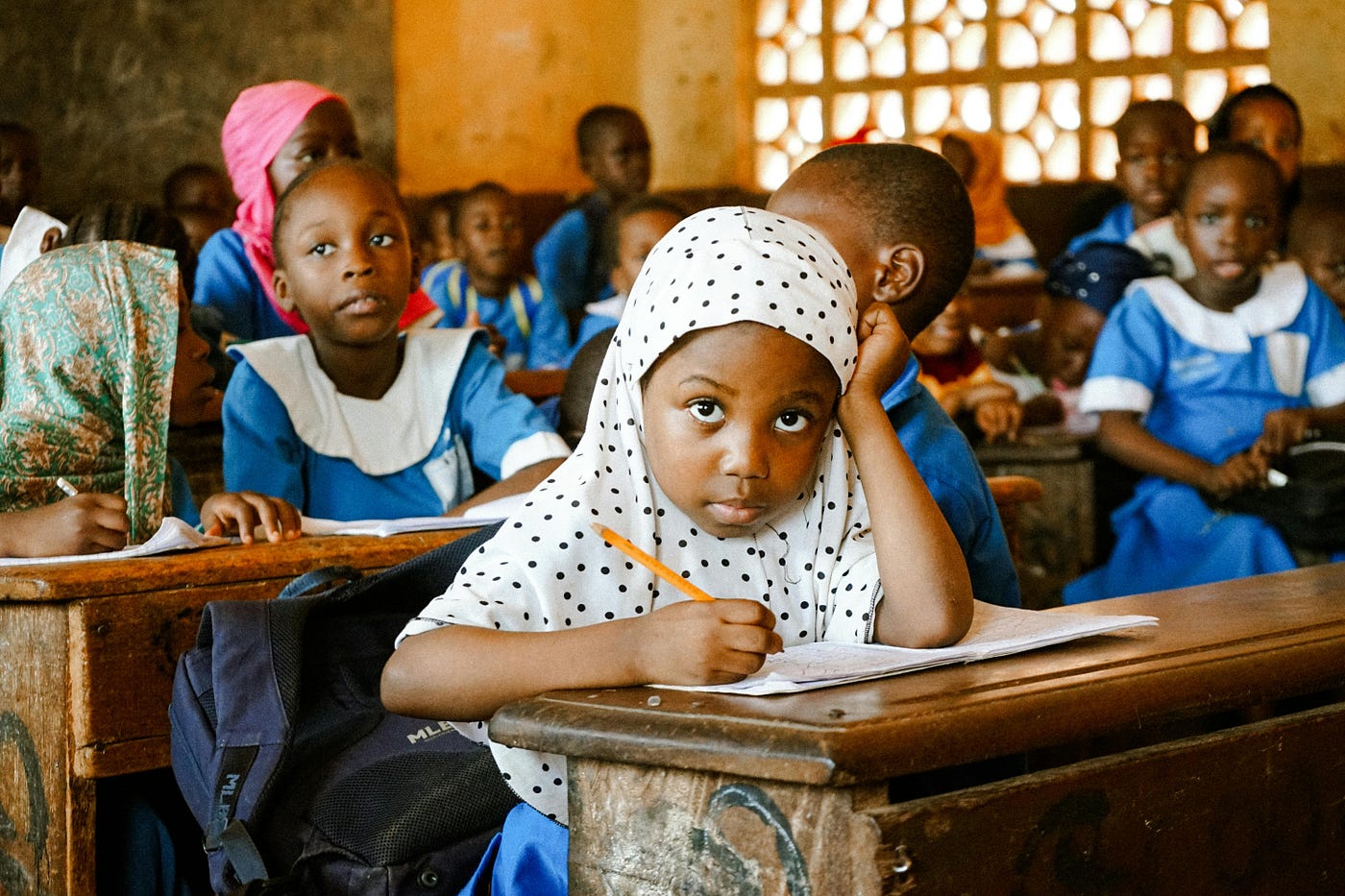
Education Systems in Nigeria. Formal, non-formal, and informal learning are the three categories of education, which is the process of obtaining or providing systematic teaching, usually at a school or university. It develops critical thinking abilities, propels societal advancement, and molds human potential.
EDUCATION SYSTEMS IN NIGERIA
The Federal Ministry of Education is in charge of Nigeria’s official 9-3-4 educational system, which is divided into basic, secondary, and tertiary levels. The framework includes three years of senior secondary education, four years of university education, and nine years of free, mandatory basic education (six years of primary and three years of junior secondary).
What is Education?
Education Systems in Nigeria
Education in simple terms, refers to both the act of teaching knowledge to others and the act of receiving knowledge from someone else.
There are various levels of the educational system in Nigeria. these include;
Primary Education System
For most Nigerians, primary education starts around age 5. After completing six years of primary school, students receive their first certificate of school leaving.
Subjects Offered in Primary Education:
Education Systems in Nigeria
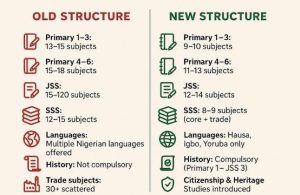
Mathematics, English, Christian and Islamic religious knowledge, agricultural science, home economics, and one of the three major indigenous languages and cultures Hausa-Fulani, Yoruba, and Igbo are among the subjects taught at the primary school level. Private schools also offer
French, Fine Arts, and Computer Science. To be eligible for admission to private, state, and federal government secondary schools, primary school students must take the Common Entrance Examination.
Secondary Education System in Nigeria:
The second official level of education, secondary school, commonly referred to as high school, typically lasts from the ages of 11 to 13 to the ages of 15 to 18. However, It is the formal education provided before college and after primary school. Although classes 6–8 may also be included in middle school, secondary school normally consists of grades 9–12.
In Nigeria, education is vital and has a big impact on both individual growth and the country’s advancement.
Education in Nigeria has voluminous benefits and these include the below;
Importance of Education;
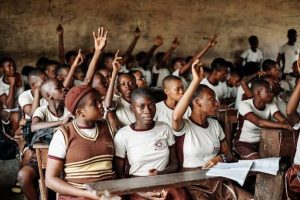
1. Investment in Human Capital: The foundation for building human capital is embedded in education.
2. Mitigating Poverty: One effective strategy for reducing poverty is the education system.
3. Economic revamp: An educated public is a beneficial force for economic growth.
4. It exposes individuals to life realities.
Summary
Nigerian education is governed by the Federal Ministry of Education. State-mandated rules regarding public education and state schools are implemented by local governments. The education system is divided into four categories: kindergarten, primary, secondary, and tertiary.
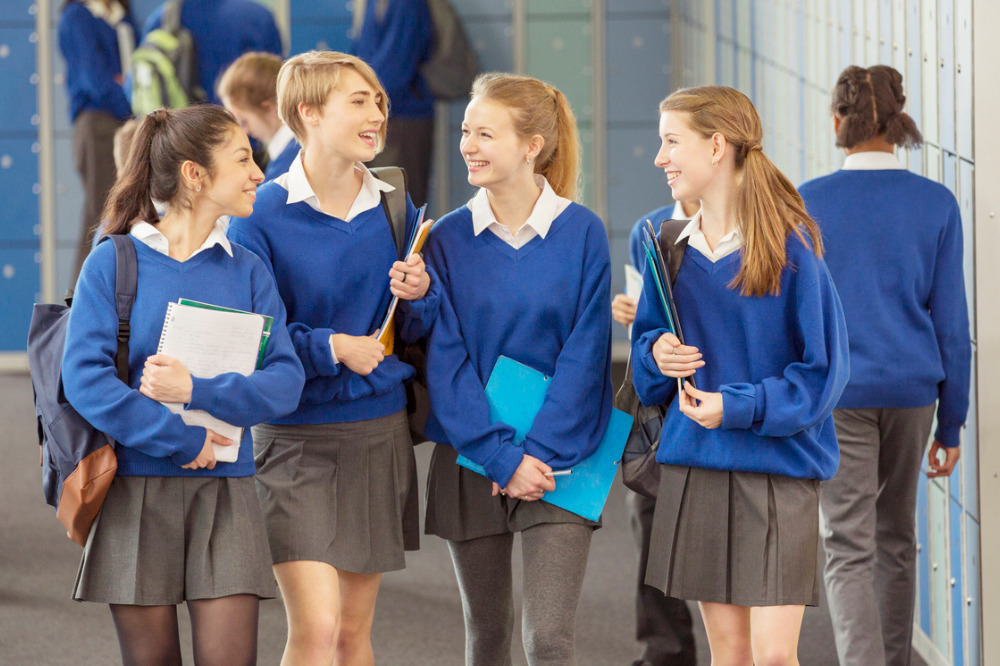

Relevance of single sex education. Although detractors contend that single-sex education may impede real-world social skills and reinforce stereotypes, its efficacy varies by student, with some thriving in mixed settings. The relevance of single-sex education lies in providing customized environments that can boost confidence, reduce gender-role pressure, and improve focus, potentially leading to better academic performance in specific subjects, especially STEM for girls. Opponents emphasize the lack of mixed-gender interaction and contest the scientific evidence for innate learning differences, while supporters point to enhanced classroom involvement and leadership development.
RELEVANCE OF SINGLE SEX EDUCATION
Single-sex education divides male and female students into separate classes or schools. Its effects on academic focus, confidence, and gender stereotyping are debated; supporters point to fewer distractions and customized instruction, while detractors claim it hinders social skills in the real world and can encourage sexism. Research has shown conflicting results, but there is some evidence that girls benefit in STEM and leadership. All-girls/all-boys schools and single-sex classrooms in coeducational settings are examples of variations; in the United States, legal frameworks like Title IX permit them under certain circumstances.
What is Single-Sex Education?

A system or institution of higher learning where only one gender is permitted is known as single-sex education. there are schools for girls only that admit no boys, and there are schools for boys only that admit no girls in some other locations.
Benefits;
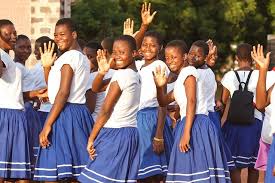
1. Single sex education makes the classroom cozy for learning. Children find it simpler to feel at ease and concentrate on their studies when they attend single-sex schools and programs. As it promotes improved learning in kids, single-sex institutions make sure to give this element a lot of attention.
2. Diminished Comparability Male students are frequently compared to female students in mixed-gender schools, or the other way around. Although it might be against the school’s policies to do so, it can be difficult to firmly enforce this, particularly with young students.

3. Decreased harassment Bullying does not necessarily result in harm to the body. It can occasionally be more psychological and emotional than physical. Bullying between kids can occur in a school for girls, although it is much less common than in a mixed school. Additionally, there will undoubtedly be fewer issues for rivals to pick fights about.
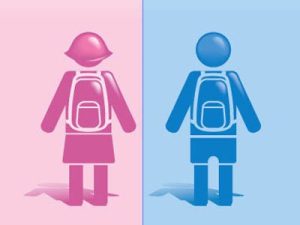
Relevance of single sex education
4. Increased speech freedom With single-sex education, kids can freely express themselves in public or private without fear of negative judgment from people of the other gender. Kids also get to talk about the problems they are having in their classrooms or the school as a whole.

Relevance of single sex education
5. Lessening the use of the double standard In mixed schools, girls typically experience these challenges more than boys, particularly in relation to clothing and other lifestyle choices.
Summary
One of the pillars of a prosperous future for a child and the nation at large is education. The right attention must be given to every process that supports children’s mental development as they mature. Sending your child to an all-boys or all-girls school could have certain disadvantages. Since the benefits are much greater, we will look at them in more detail. Before delving too deeply into it, let’s briefly examine what single-sex schooling actually comprises.
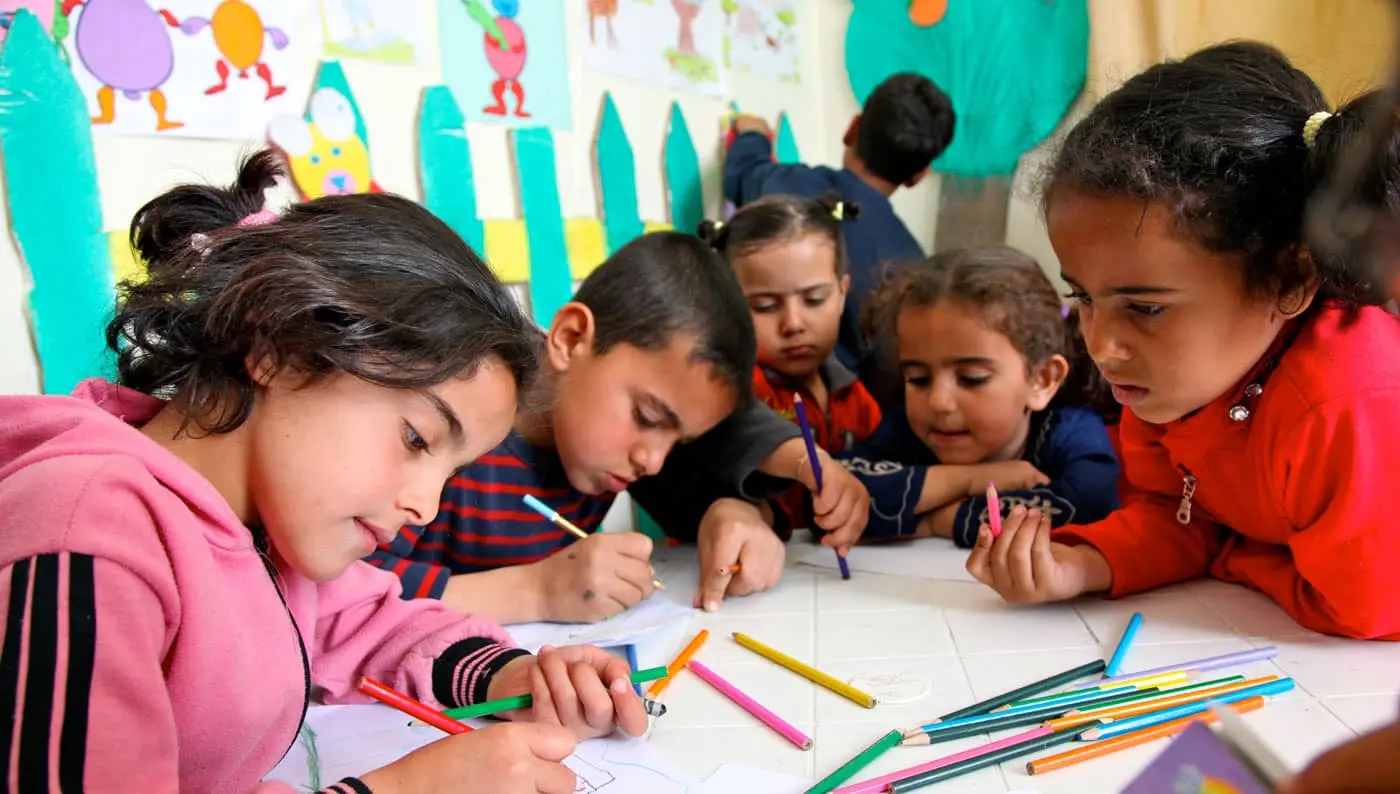
What is cildren education?. In settings like preschool, kindergarten, and daycare, childhood education, also known as Early Childhood Education (ECE), refers to the structured learning, care, and experiences for children from birth to roughly age eight. It focuses on holistic development (social, emotional, physical, and cognitive) to build foundations for future learning and success through play, care, and early academic skills. The cornerstone abilities for lifelong learning and health are developed during this crucial time of fast brain development, which frequently involves caregivers acting as first teachers.
WHAT IS CHILDREN EDUCATION?
Children’s education is essential because it develops fundamental cognitive, social, and emotional skills, encourages critical thinking, creativity, and resilience, prepares them for future civic, professional, and academic responsibilities, lessens inequality, and fosters healthier, more prosperous communities. It is an investment in both human and societal development since it enables people to comprehend the world, grow in self-worth, and become engaged, productive members of society.
Why is it important?
1. Foundation for Future Learning:
By encouraging curiosity, critical thinking, and a love of learning, early education sets the groundwork for a child’s lifetime learning journey. Cognitive Development: Getting a good education improves cognitive abilities including memory, reasoning, and problem-solving, all of which are essential for both academic and personal success.
2. Socialization:
School settings give kids the chance to engage with classmates, hone their social skills, and discover cooperation, empathy, and dispute resolution. Personal development: Child education promotes self-worth, resiliency, and the capacity to establish and meet objectives.
3. Understanding diverse cultures;

What is children education?
history and viewpoints foster open-mindedness and equip kids to live as global citizens in a connected world. This is known as global awareness. employment options: A child’s quality of life is eventually improved by a solid education, which opens doors to better employment options and higher earning potential.
4. Health and Well-Being:
Education provides children with vital life skills, such as health literacy, which empowers them to make knowledgeable decisions regarding their health. Improving Poverty: Since educated people are more likely to be able to find steady work and support economic progress, education can be a very effective instrument in ending the cycle of poverty.
5. Innovation and Advancement:
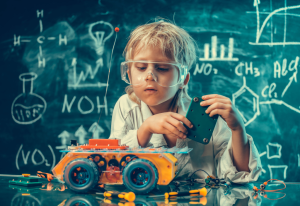
What is children education?
However, those with education propel innovation and advance society by bringing new perspectives, cutting-edge research, and specialized knowledge from a variety of backgrounds. Setting Up a Strategic Plan for Your Child’s Dreams Careful preparation is the first step in protecting your child’s future. To begin with, try to comprehend the goals and desires of your child. Do they intend to pursue further education? Do they intend to pursue a specific career path? T
6. Start Early and Invest Wisely;
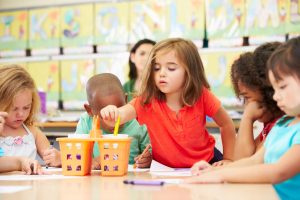
What is children education?
When it comes to investing, time is your strongest ally. Your investments have more time to develop and compound if you start early. Over time, even modest payments might add up to a sizable amount. child development.
Summary
Also, child education is the process of supporting children’s learning and development, often from early infancy to puberty. Among other stages, it covers early childhood education, primary education, and secondary education. Early childhood education aims to provide young children with the experiences, values, knowledge, and skills they need to develop into well-rounded individuals and active members of society.

Earth Frozen Frontiers

Natural Majestic Wonders

Daily Life Hacks

A Step-by-Step Guide to Deleting Reels on Instagram

A Comprehensive Guide to Setting Up a YouTube Premiere