Health
Kidney Strain Management

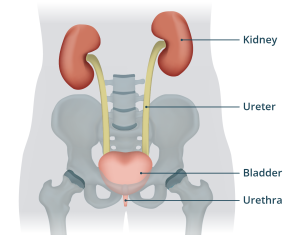

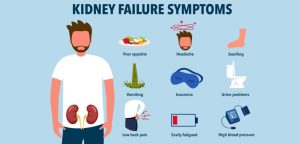
Kidney strain management. Acute kidney injury, also known as kidney strain, occurs when your kidneys are abruptly unable to filter waste, which results in a buildup of fluid and toxins. Symptoms include decreased urine, swelling in the legs, ankles, and feet, exhaustion, shortness of breath, disorientation, nausea, and flank pain (side/back discomfort). Infections, dehydration, injuries, some drugs, high blood pressure, and overexertion are among the causes. It’s dangerous and needs to be treated right once, especially if there is a fever, excruciating pain, or difficulty urinating. Diuretics, dietary modifications, and occasionally dialysis are used to treat it.
KIDNEY STRAIN MANAGEMENT
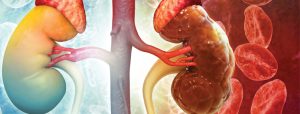
The term “kidney strain” describes the stress or injury that the kidneys sustain from a variety of causes, which impairs their ability to operate. Numerous factors can put stress on the kidneys, which are essential for removing waste from the blood and controlling fluid balance. Preventive strategies and prompt management are both necessary to address kidney stresses. Maintaining kidney function and avoiding strain-related problems depend heavily on routine examinations and lifestyle modifications.
Causes;

Kidney strain management.
1. Dehydration: Inadequate fluid intake reduces the kidneys’ ability to filter waste efficiently, potentially causing strain.
2. High Blood Pressure: Persistent hypertension can damage the blood vessels in the kidneys, impairing their function over time.
3. Diabetes: High blood sugar levels can lead to diabetic nephropathy, a condition that strains kidney function.
4. Medication Overuse: Certain medications, especially non-steroidal anti-inflammatory drugs (NSAIDs), can cause kidney damage when used excessively.
5. Kidney Stones: These can block urine flow, leading to increased pressure and strain on the kidneys.
Symptoms;

Kidney strain management.
– Persistent fatigue
– Swelling in the legs, ankles, or around the eyes
– Changes in urine output or appearance
– Pain in the lower back or sides
– High blood pressure
Management:


1. Hydration:
Drinking sufficient water helps maintain kidney function and prevent strain.
2. Blood Pressure Control:
Regular monitoring and management of blood pressure can protect kidney health.
3. Diabetes Management:


Kidney strain management.
Keeping blood sugar levels in check reduces the risk of kidney damage.
4. Medication Use:
Use medications as directed and consult healthcare providers about potential kidney impacts.
5. Healthy Diet:
A balanced diet low in sodium and high in fruits and vegetables supports kidney health.
Summary
A comprehensive strategy is needed to manage kidney strain, including blood pressure and blood sugar control, a low-sodium, balanced diet that limits potassium and phosphorus, water hydration, regular exercise (150 minutes per week), abstaining from smoking and excessive alcohol consumption, and careful medication management (avoiding NSAIDs like ibuprofen). If you experience chronic kidney pain or symptoms of damage, you should always see a doctor because severe instances may need dialysis or dietician advice.