Health
Neurological Conditions

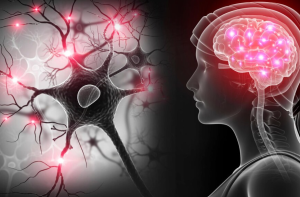

Neurological conditions. From everyday headaches and strokes to degenerative diseases like Alzheimer’s, MS, and Parkinson’s, as well as developmental abnormalities like ADHD or autism, neurological ailments impact the brain, spinal cord, and nerves, causing problems with movement, sensation, thinking, and behavior. They affect the central or peripheral nervous system and can be caused by genetics, trauma, infection, or lifestyle factors. Symptoms include weakness, paralysis, seizures, pain, or memory loss. For an accurate diagnosis and treatment, a medical evaluation is necessary.
NEUROLOGICAL CONDITIONS
Managing the effects of neurological diseases on day-to-day living also requires supportive care, which includes counseling and lifestyle changes. Numerous facets of health and well being are impacted by the complex and diverse range of neurological disorders. For those with these diseases, early identification and a multidisciplinary approach to therapy can greatly improve outcomes and quality of life.
Types;
1. Stroke: A stroke occurs when blood flow to a part of the brain is interrupted, leading to brain cell damage. This can result in sudden loss of abilities such as speech, movement, or cognition, depending on the affected brain region.
2. Parkinson’s Disease: Parkinson’s disease is a progressive disorder characterized by tremors, rigidity, and bradykinesia (slowness of movement). It results from the degeneration of dopamine-producing neurons in the brain.
3. Multiple Sclerosis (MS): MS is an autoimmune condition where the immune system attacks the protective covering of nerve fibers, leading to a wide range of symptoms including muscle weakness, vision problems, and difficulty with coordination.
4. Alzheimer’s Disease: Alzheimer’s disease is a progressive neurodegenerative disorder that causes memory loss, cognitive decline, and changes in behavior. It is the most common form of dementia.
5. Epilepsy: Epilepsy is characterized by recurrent seizures caused by abnormal electrical activity in the brain. Seizures can vary from brief lapses in awareness to intense convulsions.
6. Amyotrophic Lateral Sclerosis (ALS): ALS, also known as Lou Gehrig’s disease, is a progressive neurodegenerative disease that affects motor neurons, leading to muscle weakness, paralysis, and ultimately, respiratory failure.
Symptoms and Diagnosis;
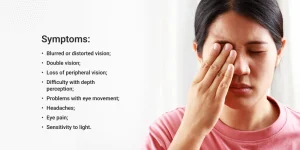

Neurological conditions present a diverse array of symptoms, including but not limited to:
– Motor Symptoms: Such as tremors, muscle weakness, or loss of coordination.
– Cognitive Symptoms: Including memory loss, difficulty concentrating, or impaired judgment.
– Sensory Symptoms: Like numbness, tingling, or altered sensations.
– Autonomic Symptoms: Affecting involuntary functions such as blood pressure regulation or digestion.
Diagnosing neurological conditions often involves a combination of medical history, physical examinations, and advanced diagnostic tools such as MRI, CT scans, and electroencephalograms.
Treatment and Management;

Neurological conditions
Treatment for neurological conditions varies depending on the specific disorder but may include:
– Medications:
To manage symptoms or slow disease progression.
– Physical Therapy:
To improve movement, coordination, and strength.
– Occupational Therapy:
To assist with daily activities and improve quality of life.


Neurological conditions
– Surgical Interventions:
In some cases, surgery may be necessary to address specific issues or alleviate symptoms.
Summary
A wide variety of problems involving the brain, spinal cord, and nerves are referred to as neurological ailments. Numerous elements of body functions, such as mobility, sensation, cognition, and autonomic systems, might be affected by these diseases. It is essential to comprehend these disorders in order to diagnose, treat, and manage them effectively.